For Onlinecourses55
|
2026-05-23
For Onlinecourses55
|
2026-05-23

Differences between couple therapy and couple coach explained easily - couples coach
Choosing the right kind of professional support can redefine your relationship's trajectory. A practical guide can navigate the nuances, helping you decide between therapy and coaching. Uncover how goal-oriented relationship coaching can offer actionable solutions to enhance your partnership.
When two people share a life together and difficulties arise, it is normal to hesitate between seeking therapeutic support or going to a specialized coach. Although both professionals work with couples, their approach, objectives and tools are often different. Here you will find a clear and practical explanation to understand these differences and decide which path can be more useful according to the specific situation.
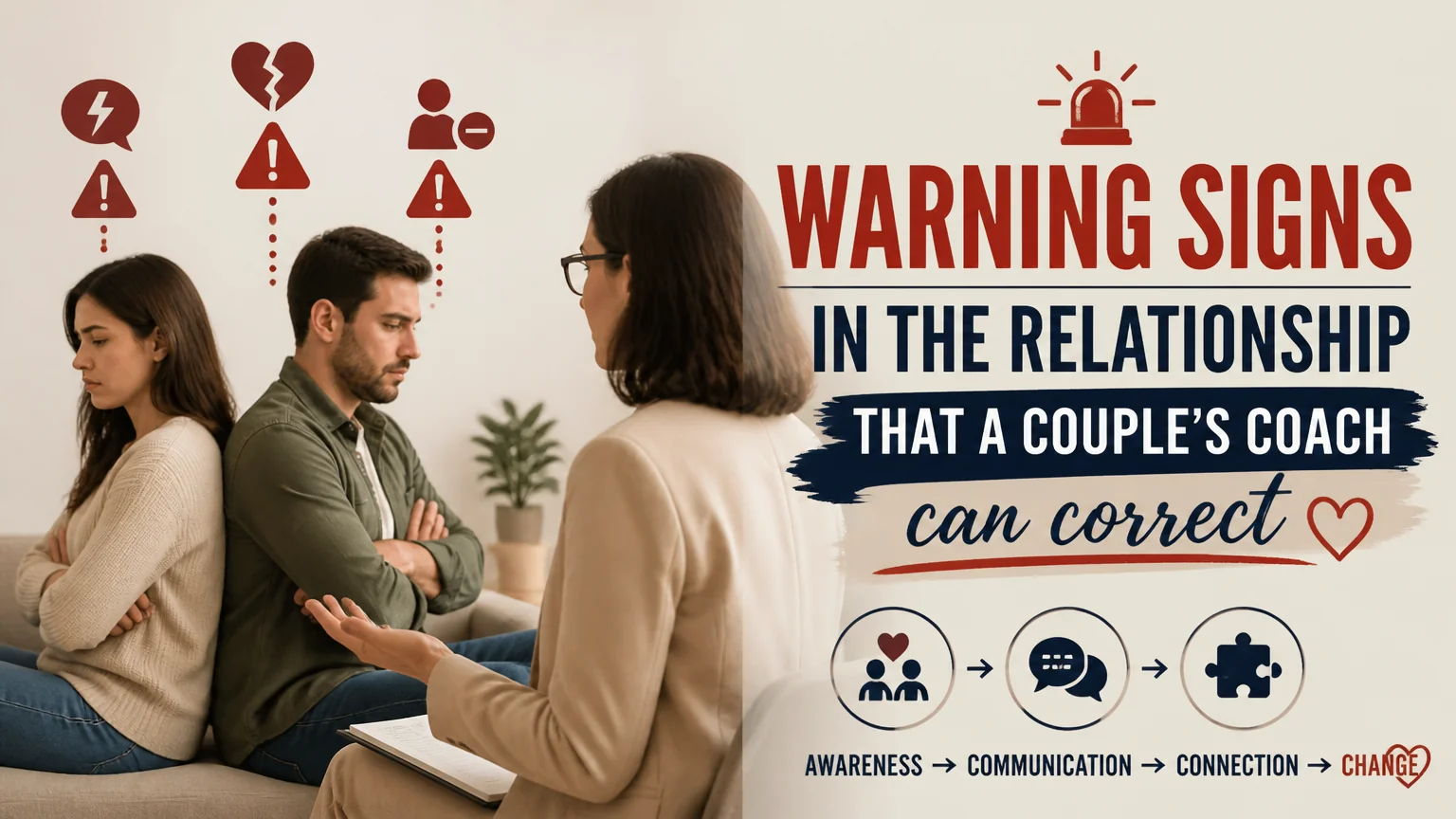
Couples therapy usually starts from a clinical basis: deep emotions, learned relational patterns, personal histories and problems that may include psychological disorders are explored. The goal is to understand and resolve conflicts from a therapeutic perspective. Couples coaching, on the other hand, is oriented towards concrete objectives, skills and results: improving communication, setting common goals, designing strategies for practical changes and moving towards shared projects without necessarily delving into the deep emotional past.
The goal is to heal wounds, modify dysfunctional patterns, manage intense emotions and work on clinical or mental health problems that affect the relationship. Therapy seeks a change in the emotional structure of the couple and often involves a process of individual and joint introspection.
The objective is practical: to set goals, improve specific dynamics, increase effectiveness in cohabitation or teamwork, and develop specific skills. The coach accompanies the implementation of changes and the creation of habits that allow visible results to be achieved in less time.
The therapy uses validated psychotherapeutic tools, such as systemic theories, cognitive techniques, emotion-focused therapy or other modalities according to the therapist's training. It works with narratives, exploration of the past and emotional processing. Coaching uses goal-setting techniques (SMART), exercises to improve communication, practical dynamics, concrete tasks between sessions and progress monitoring. The coach's intervention is usually more structured towards action.
The therapy may require a medium or long term process, with weekly or biweekly frequency, and the duration depends on the complexity of the problems to be treated. Sometimes months or more are necessary to produce profound changes. Coaching tends to be shorter and more focused: packages of sessions with time-limited objectives, for example between 8 and 20 sessions, although this varies according to needs.
Couples therapists are usually psychologists, psychiatrists or professionals trained in psychotherapy with clinical credentials. They are trained to diagnose and treat mental disorders and to intervene in emotional crises. Coaches may come from diverse backgrounds and their training focuses on coaching techniques, communication and personal development; some have specific training in working with couples, but not all have clinical training in treating psychopathology.
If there is trauma, violence, abuse, depression, severe anxiety or problematic substance use affecting the relationship, clinical therapy is the indicated option because of its ability to address risks and comorbidities.
When the couple repeats harmful patterns and there are unresolved wounds that emerge with intensity, a therapeutic process helps to understand the source and transform the dynamics at a deeper level.
Whether the couple wants to improve communication, organize finances, plan a common project, or design routines for living together, coaching offers practical tools and follow-up towards specific goals.
When the priority is to obtain visible changes in a short time and work on concrete actions, the coach's approach is usually more direct and implementation-oriented.
To decide between one or the other, ask yourself: Are there mental health or violence issues? Is the conflict rooted in trauma or unresolved past experiences? Do we need practical tools now? Are we looking for quick results for a concrete goal? If there is risk, abuse or severe disorders, prioritize clinical care. If it is about improving habits, communication or joint planning, coaching may be appropriate.
Allows exploration and healing, offers diagnostic evaluations and a clinical ethical framework to address complex situations. It has tools for emotional regulation and trauma work.
It is sometimes slower and requires greater emotional investment and time; it does not always focus on immediate practical goals.
It is practical, results-oriented, often short and motivating. Facilitates action and implementation of concrete changes.
It is not designed to treat mental disorders or deep emotional crises. If something clinical arises, the coach in charge will refer to a mental health professional.
Not true: for certain practical purposes coaching can be very effective. What is important is that the intervention is appropriate to the problem.
Not necessarily; a good coach addresses important aspects of the relationship seriously, but without the clinical intention of treating psychopathology.
Ask for information about the professional's training, experience with couples and references. If a therapist, verify clinical credentials; if a coach, ask about certifications and approach.
Define what you want to change in concrete terms. If your goal is deep emotional, prioritize therapy; if practical, consider coaching.
Often a first session will clarify whether what is at stake requires clinical intervention or a coaching process.
Sometimes both professionals can collaborate: therapy to heal the depths and coaching to implement practical changes. Coordination benefits the couple.
The choice between therapy and coaching depends on the nature of the problem, the urgency and the goals sought. Therapy is more appropriate when there are deep emotional wounds, upheavals or risk; coaching works well for concrete goals, skills and practical changes. What is essential is to honestly assess what the relationship needs and to seek ethical and appropriately trained professionals to accompany that process.