For Onlinecourses55
|
2026-03-09
For Onlinecourses55
|
2026-03-09

How couple coaching helps to rebuild trust after infidelity - couples coach
Infidelity can deeply affect trust within a relationship, but understanding the way forward is key. Engage in a specialized program that provides practical tools and support to navigate these sensitive areas. Discover how coaching can guide you through rebuilding trust and enhancing communication.
An infidelity not only breaks an agreement between two people, but also shatters the sense of emotional security that sustains the relationship. Trust is fractured on several levels: the certainty of the other's word, the predictability of behavior, and the ability to feel secure in intimacy. These cracks generate diverse reactions such as anger, shame, fear and hypervigilance that can last for months or years if not consciously addressed.
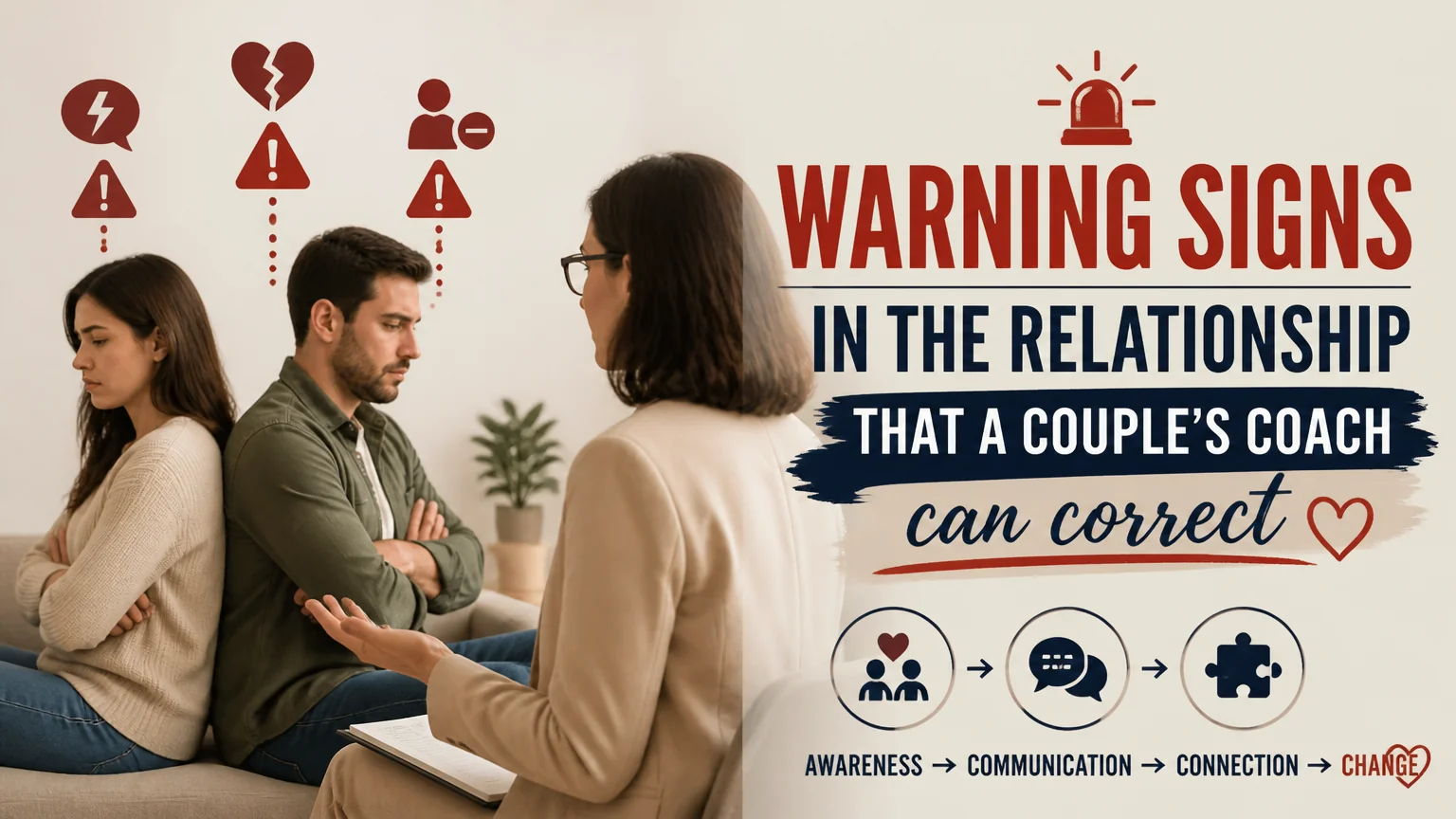
Couples coaching focuses on the present and the immediate future: identifying concrete goals, designing practical actions and improving communication and collaboration between the two. Unlike therapy, which often explores the deep past and individual traumas, coaching seeks specific results aimed at changing behavior and creating new dynamics. This does not mean that coaching replaces therapy when there are clinical needs; rather, it can complement it by focusing on rebuilding the relationship.
The first thing a coach does is to assess how the couple is doing now: levels of communication, attitudes toward infidelity, and each partner's willingness to work. From there, clear and achievable goals are agreed upon, for example: reestablish rules of transparency, improve emotional communication or recover physical intimacy gradually.
Once the goals have been defined, coaching introduces practical tools to change behaviors. These include active listening exercises, accountability pacts, and techniques to defuse arguments before they escalate. The coach accompanies in experimenting with these practices and adjusts the plan according to what works for the couple.
Regaining trust is an ongoing process. Coaching helps establish routines and early signals to prevent setbacks. Recovery plans are worked out in case doubts or situations arise that may threaten the progress made.
Rebuilding is progressive and is based on consistency between words and deeds. At first, concrete gestures of transparency generate small signals of security. Over time, these signals accumulate and allow the person concerned to reduce vigilance and return to delegating to the other. It is important that both assume clear roles: the one who was unfaithful must demonstrate commitment and consistency; the one who was betrayed must work on managing fear and allowing reparation without demanding constant proof.
Effective communication avoids misunderstandings that rekindle mistrust. Coaching teaches to express needs without accusing, to listen with empathy and to validate emotions without minimizing them. Open questions, rephrasing and pause times are practiced so that everyone can express what they feel without falling into automatic defenses. Learning to ask for and receive apologies is also an essential part of this process.
For trust to grow again, clarity is needed: what behaviors were forbidden, what the new limits are and how progress will be measured. Establishing concrete agreements reduces ambiguity and creates a secure framework. Accountability means following through on agreements and accepting consequences in case of non-compliance, always in a context of respect and without humiliating punishments.
Although the focus is on the relationship, individual work is complementary. Coaching helps to identify personal patterns that may have contributed to the situation and to strengthen internal resources: self-esteem, emotional management and self-regulation skills. In some cases, individual therapy may be recommended to process traumas or addictions that hinder recovery.
Intimacy is rebuilt with patience. Returning to physical and emotional closeness is not a goal to be forced; it requires signs of emotional security. The coach helps to design gradual steps: moments of non-sexual contact, shared activities that build trust, and meetings to assess how each feels. Resuming sexual intimacy will be done when both want it and with prior agreements on expectations and pace.
There are situations in which couples coaching alone is not enough: when there is violence, active addiction problems, or untreated mental disorders. In these cases it is necessary to work with specialized professionals and prioritize physical and emotional safety. The responsible coach will refer to therapy or protective services if he/she detects risks that compromise the integrity of any of the partners.
There is no single time frame for regaining trust; the length of time depends on the severity of the infidelity, the couple's history, and the willingness of both partners. Some couples notice improvements in weeks; others need months or more. The important thing is to measure progress by consistency in behaviors and the ability to resolve conflicts without falling into destructive patterns.
Couples coaching offers a practical, action-oriented approach to rebuilding trust after infidelity. It works on communication, transparency, accountability and concrete practices that allow the couple to create new routines. It is a process that requires commitment, patience and, at times, additional individual work. When applied with honesty and consistency, coaching can transform the crisis into an opportunity for a more mature and secure relationship.
Search
Popular searches