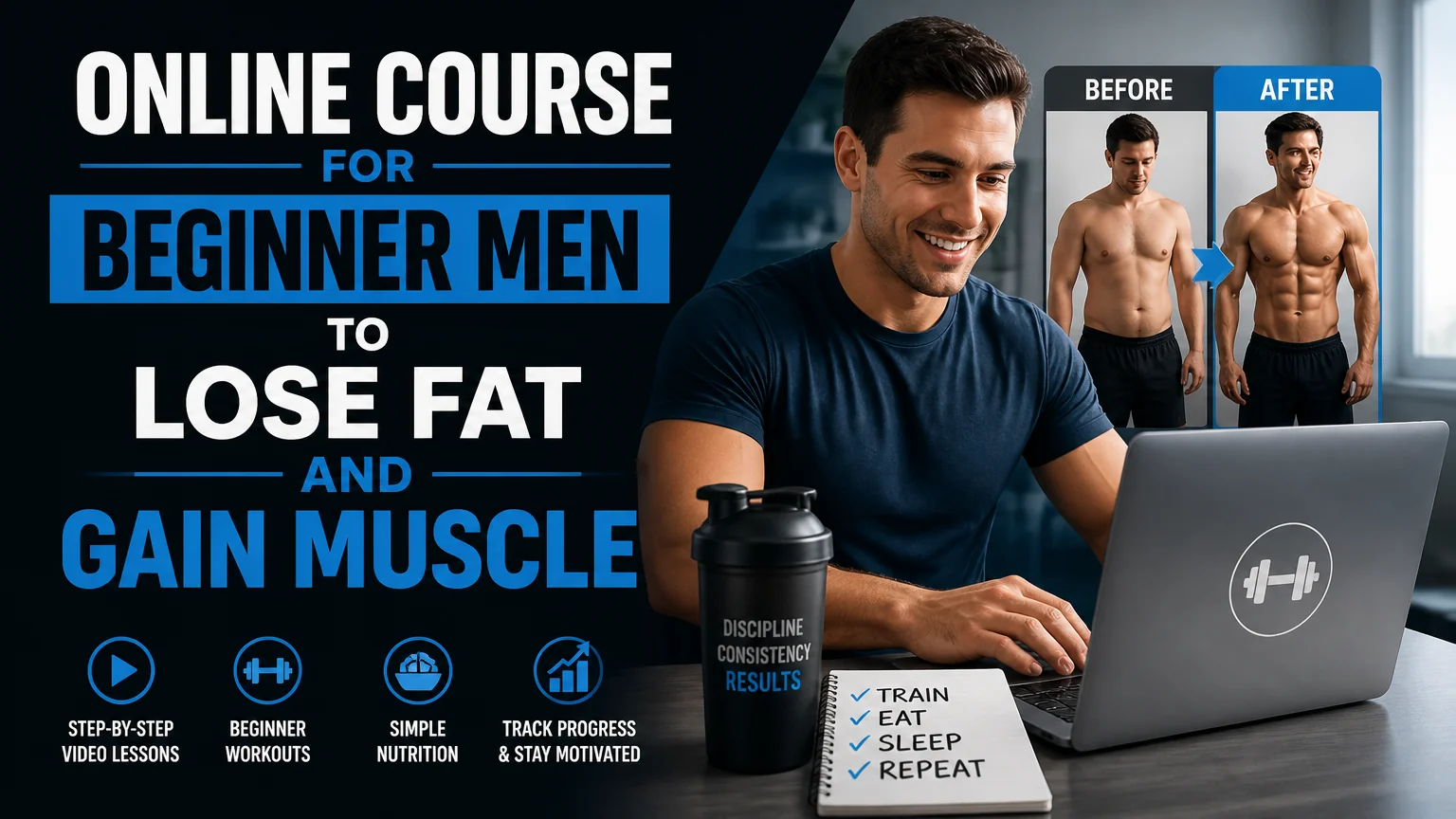
Working out at home has its benefits and challenges. Complement your fitness regime with a personalized course in dietary planning that supports your home workout goals.
Why Choose Home Exercise Routines?
Modern life often leaves us with little time and energy to dedicate to fitness. However, working out at home offers a flexible and accessible solution to stay active and healthy. But what are the real advantages?
Benefits of Working Out at Home
- Convenience and Flexibility: Work out whenever you want, wherever you want. There are no fixed schedules or commutes.
- Economic Savings: Forget about expensive gym memberships.
- Privacy: Exercise without feeling watched or judged.
- Variety: Adapt your routines to your tastes and needs.
- Fewer Excuses: Eliminate barriers to starting to move.
Potential Disadvantages and How to Overcome Them
Of course, not everything is perfect. Some people may face challenges when working out at home, such as lack of motivation or limited space. But don't worry, everything has a solution!
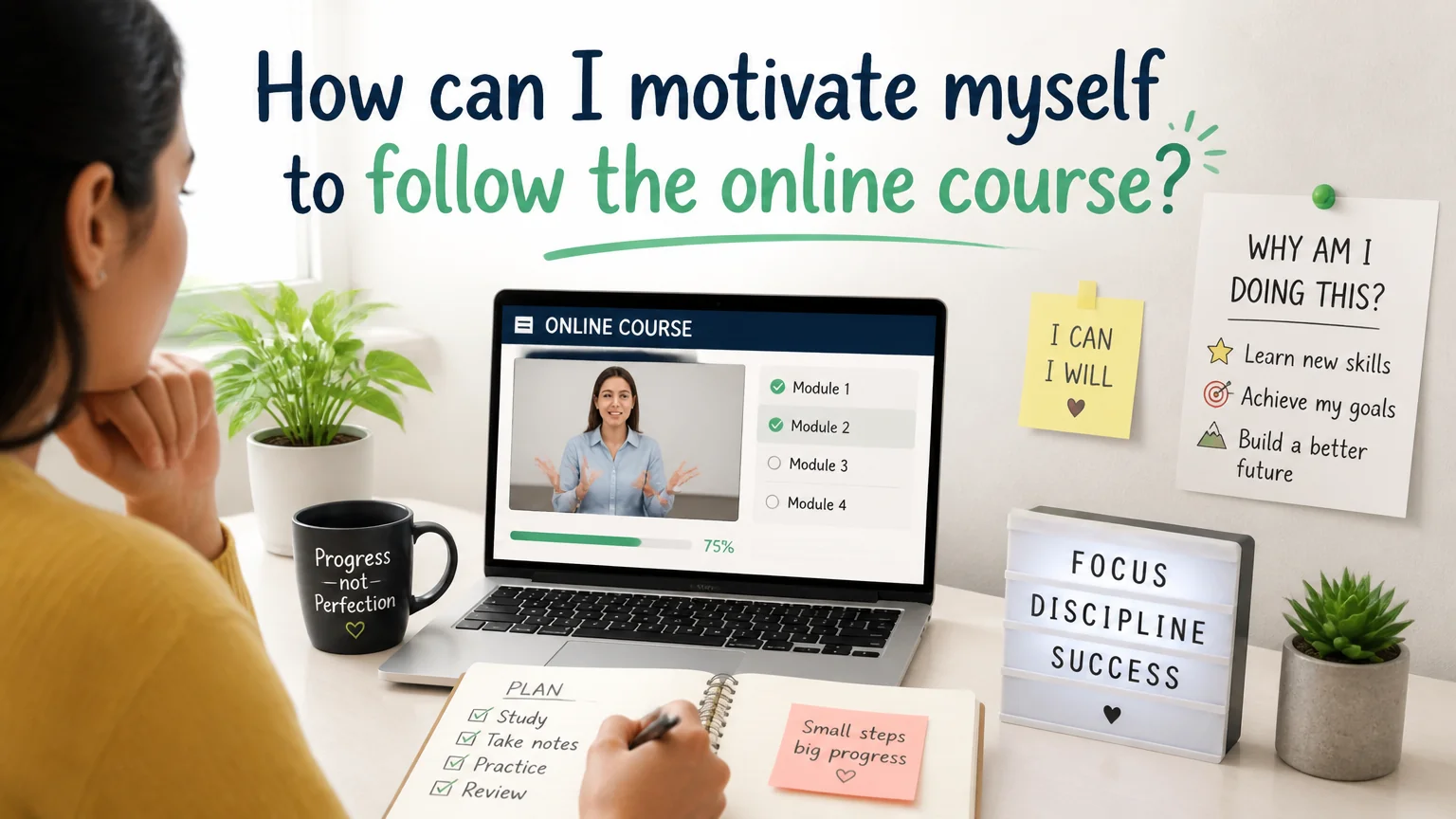
- Lack of Motivation: Set clear goals, create a schedule, and reward yourself for your achievements. Find a virtual workout partner to stay committed.
- Limited Space: Use the available space smartly. Bodyweight exercises are ideal for small spaces. Invest in compact, easy-to-store equipment.
- Lack of Equipment: You don't need a full gym. With a resistance band, a mat, and a pair of dumbbells, you can do wonders.
Basic (and Not-So-Basic) Equipment for Your Home Gym
You don't need to empty your bank account to create a home gym. Start with the essentials and expand your collection as you progress.
The Essentials: Resistance Band, Mat, and Dumbbells
These three items are the foundation of any home gym.
- Resistance Band: Versatile and economical, ideal for resistance exercises and stretching.
- Mat: Provides comfort and cushioning for floor exercises.
- Dumbbells: Allow you to work on strength and muscle toning. Start with light weights and gradually increase them.
Expanding Horizons: Kettlebells, TRX, and More
If you want to take your training to the next level, consider investing in this equipment:
- Kettlebell: Ideal for functional exercises that work multiple muscle groups simultaneously.
- TRX: A suspension training system that uses body weight to challenge your strength and balance.
- Ab Wheel: An excellent accessory for strengthening the core.
- Jump Rope: Perfect for cardiovascular exercises and improving coordination.
Designing Your Perfect Routine: Factors to Consider
There is no "one-size-fits-all" exercise routine. The key to success is designing a program that adapts to your individual needs and goals.
Define Your Goals: Weight Loss, Muscle Gain, Endurance?
What do you want to achieve with your training? Lose weight, gain muscle, improve your cardiovascular endurance, or simply stay active? Your goal will determine the type of exercises you should perform and the intensity with which you should train.
Fitness Level: Be Honest With Yourself!
Don't overdo it at the beginning. Start with exercises appropriate for your fitness level and gradually increase the intensity. Listen to your body and rest when you need it.
Time Available: Micro-Routines and Extended Sessions
How much time can you dedicate to training each day or week? If you have little time, opt for high-intensity micro-routines. If you have more time, you can perform longer and more complete sessions.
Examples of Home Exercise Routines for Different Levels
Here are some examples of routines you can adapt to your fitness level and goals. Remember to warm up before starting and stretch when finishing.
Beginner Routine: Gentle Introduction to Movement
- Warm-up: 5 minutes of light cardio (jumping jacks, high knees).
- Squats: 3 sets of 10-12 repetitions.
- Push-ups (supporting knees if necessary): 3 sets of 8-10 repetitions.
- Lunges: 3 sets of 10-12 repetitions per leg.
- Plank: 3 sets of 30 seconds.
- Cool-down: 5 minutes of stretching.
Intermediate Routine: Raising the Intensity
- Warm-up: 5 minutes of moderate cardio (running in place, gentle burpees).
- Jump Squats: 3 sets of 12-15 repetitions.
- Push-ups: 3 sets of 10-12 repetitions.
- Jump Lunges: 3 sets of 12-15 repetitions per leg.
- Plank with leg raise: 3 sets of 30 seconds per leg.
- Pull-ups (with assistance if necessary): 3 sets of as many repetitions as you can.
- Cool-down: 5 minutes of stretching.
Advanced Routine: Challenge Your Limits
- Warm-up: 5 minutes of intense cardio (burpees, mountain climbers).
- Weighted Squats: 3 sets of 15-20 repetitions.
- Elevated Feet Push-ups: 3 sets of 12-15 repetitions.
- Weighted Lunges: 3 sets of 15-20 repetitions per leg.
- Rotational Plank: 3 sets of 45 seconds.
- Pull-ups: 3 sets of as many repetitions as you can.
- Pistol squats (single-leg squats): 3 sets of 8-10 repetitions per leg.
- Cool-down: 5 minutes of stretching.
Nutrition to Boost Your Results at Home
Exercise is only part of the equation. To get the best results, you must combine it with a healthy and balanced diet.
Pre and Post-Workout Nutrition
- Pre-Workout: Consume a light meal rich in complex carbohydrates (oatmeal, fruit) and lean proteins (Greek yogurt, eggs) 1-2 hours before training.
- Post-Workout: Replenish energy with a meal containing protein (chicken, fish, legumes) and simple carbohydrates (fruit, rice) within 30-60 minutes after training.
Hydration: The Key to Optimal Performance
Drink water before, during, and after training to stay hydrated and prevent fatigue.
Maintain Motivation: Tips and Advice for Not Giving Up
Consistency is essential for achieving your fitness goals. Here are some tips to maintain long-term motivation:
Set Realistic Goals and Celebrate Your Achievements
Don't set yourself unattainable goals. Start with small, realistic objectives and celebrate every achievement, no matter how small.
Find a Virtual Workout Partner
Working out with a friend, even remotely, can help keep you motivated and accountable.
Vary Your Routines to Prevent Boredom
Change your routines every few weeks to avoid plateaus and maintain interest. Try new exercises, different intensities, and various workout formats.
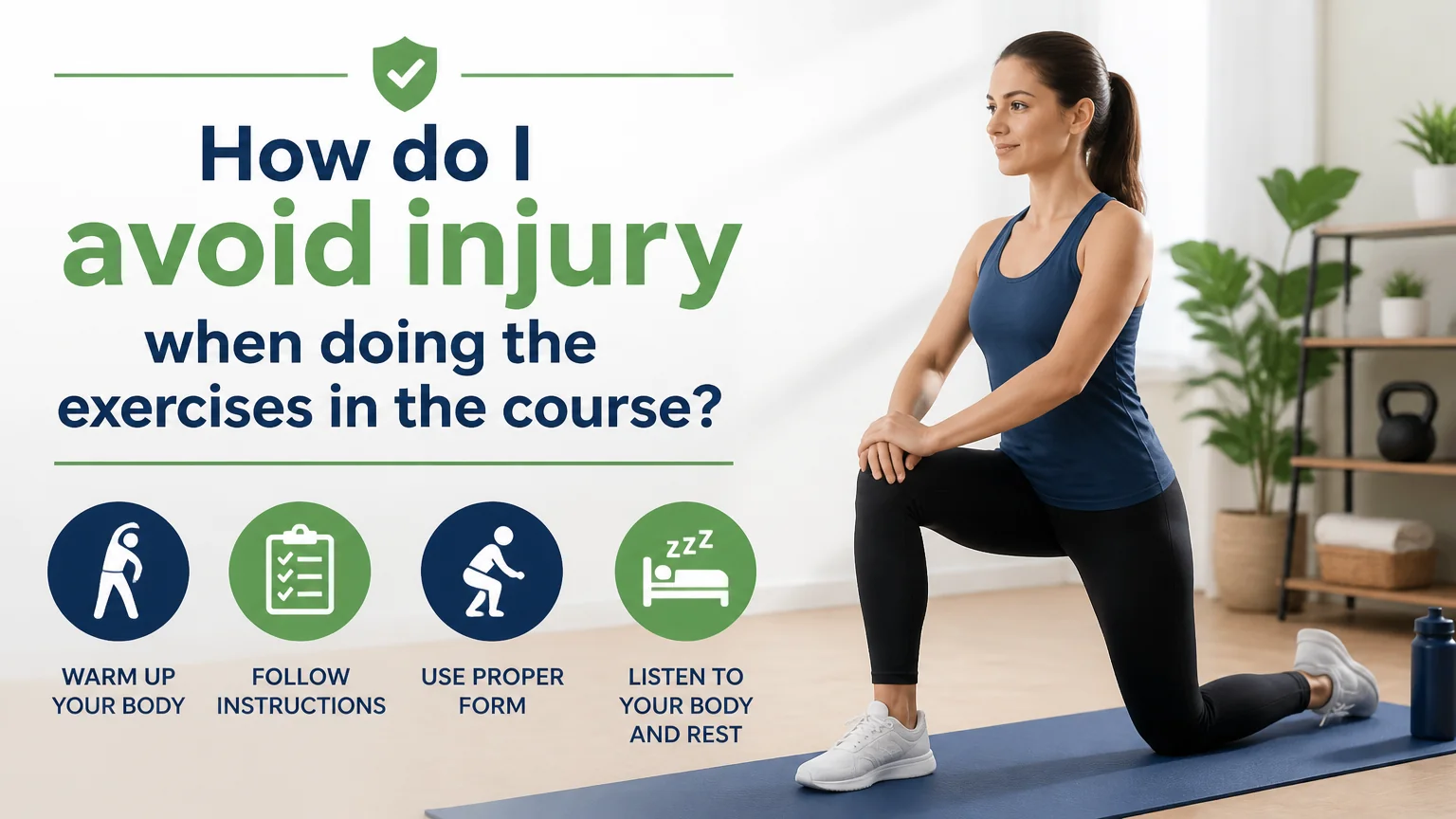
Common Injuries and How to Prevent Them
It is important to take precautions to avoid injuries when working out at home.
Proper Warm-up: Preparing the Body
Never start training without warming up properly. A good warm-up prepares your muscles and joints for exercise and reduces the risk of injury.
Correct Technique: Don't Sacrifice Form for Speed!
Pay attention to the correct technique for each exercise. It is better to do fewer repetitions with good form than many repetitions with bad technique. If you have doubts, look for explanatory videos or consult with a personal trainer.
Listen to Your Body: Rest When You Need It
Don't overdo it. Rest when you feel pain or fatigue. Rest is essential for muscle recovery and injury prevention.
Conclusion: Your Fitness Journey Starts at Home
Now you have the tools and knowledge necessary to start creating your own home exercise routines. Remember to be consistent, listen to your body, and enjoy the process. Your fitness journey starts today!
Frequently Asked Questions (FAQs)
- Do I need a lot of space to exercise at home? Not necessarily. Many exercises can be done in a small space. Use the space you have creatively.
- What should I do if I get bored with my routine? Vary your exercises, try new routines, and find a workout partner to maintain motivation.
- How often should I exercise at home? Ideally, you should exercise at least 3-4 times per week.
- How can I know if I am doing the exercises correctly? Look for explanatory videos or consult with a personal trainer to ensure you are using the correct technique.
- Can I lose weight just by exercising at home? Yes, if you combine exercise with a healthy and balanced diet.
 For Onlinecourses55
|
2025-12-06
For Onlinecourses55
|
2025-12-06