For Onlinecourses55
|
2026-03-07
For Onlinecourses55
|
2026-03-07
What kind of exercises should i do to lose fat and gain muscle? - creation diets
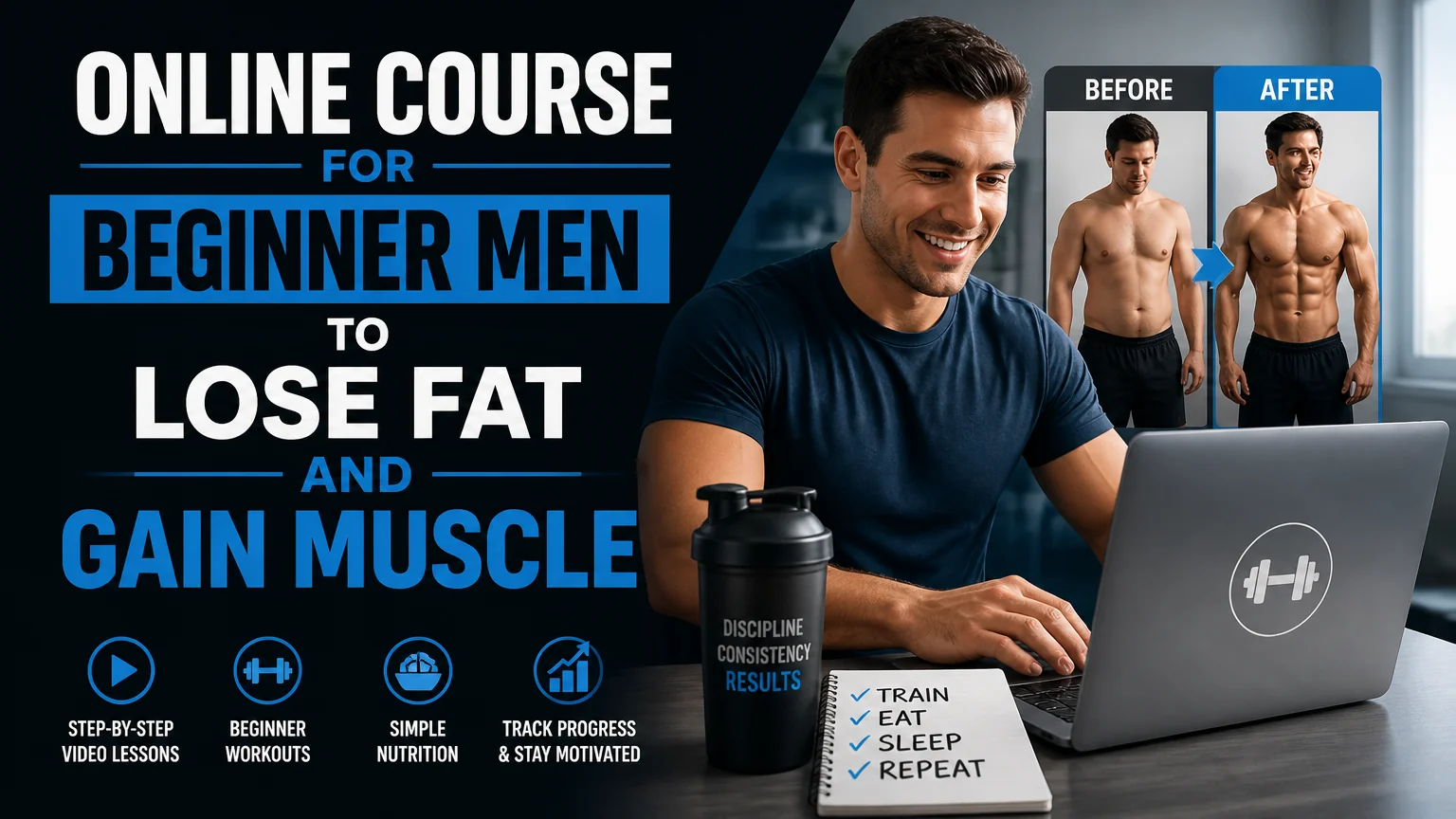
Searching for the best ways to achieve your ideal body? This article will guide you through effective exercise and nutritional strategies to achieve your dream physique without losing motivation.
Everyone, at some point, has dreamed of having that body we see in magazines, right? A toned physique, with defined muscles and no trace of fat. But how do you achieve it? The answer is not magical, but it is achievable: a smart combination of exercise and nutrition. This article will guide you along the right path so you can understand what type of exercises are most effective for simultaneously losing fat and gaining muscle. I don't promise miracles, but I do offer a clear and practical guide.
Before diving into the types of exercises, it is crucial to understand why exercise is so important, not just for aesthetics, but for our overall health.
Exercise goes far beyond looking good. It reduces the risk of heart disease, type 2 diabetes, some types of cancer, and improves mental health. It is an investment in your future! Additionally, it helps you sleep better, have more energy during the day, and feel happier. Who wouldn't want that?
When it comes to losing fat and gaining muscle, exercise plays a fundamental role. It burns calories, speeds up metabolism, and stimulates muscle growth. Think of your body as a machine: the more you use it, the more efficient it becomes.
This is where things get interesting. Not all exercises are equal when it comes to reaching our goals. There are two main categories we must master: strength training and cardio.
Strength training, also known as weight training, is essential for building muscle and burning fat. Why? Because muscle burns more calories at rest than fat does. So, the more muscle you have, the easier it will be to maintain your ideal weight.
Compound exercises, such as squats, deadlifts, bench press, and pull-ups, work multiple muscle groups at once. They are the most efficient for burning calories and stimulating muscle growth. Isolation exercises, such as bicep curls or triceps extensions, focus on a single muscle. They are useful for shaping and defining, but they are not as effective for fat loss.
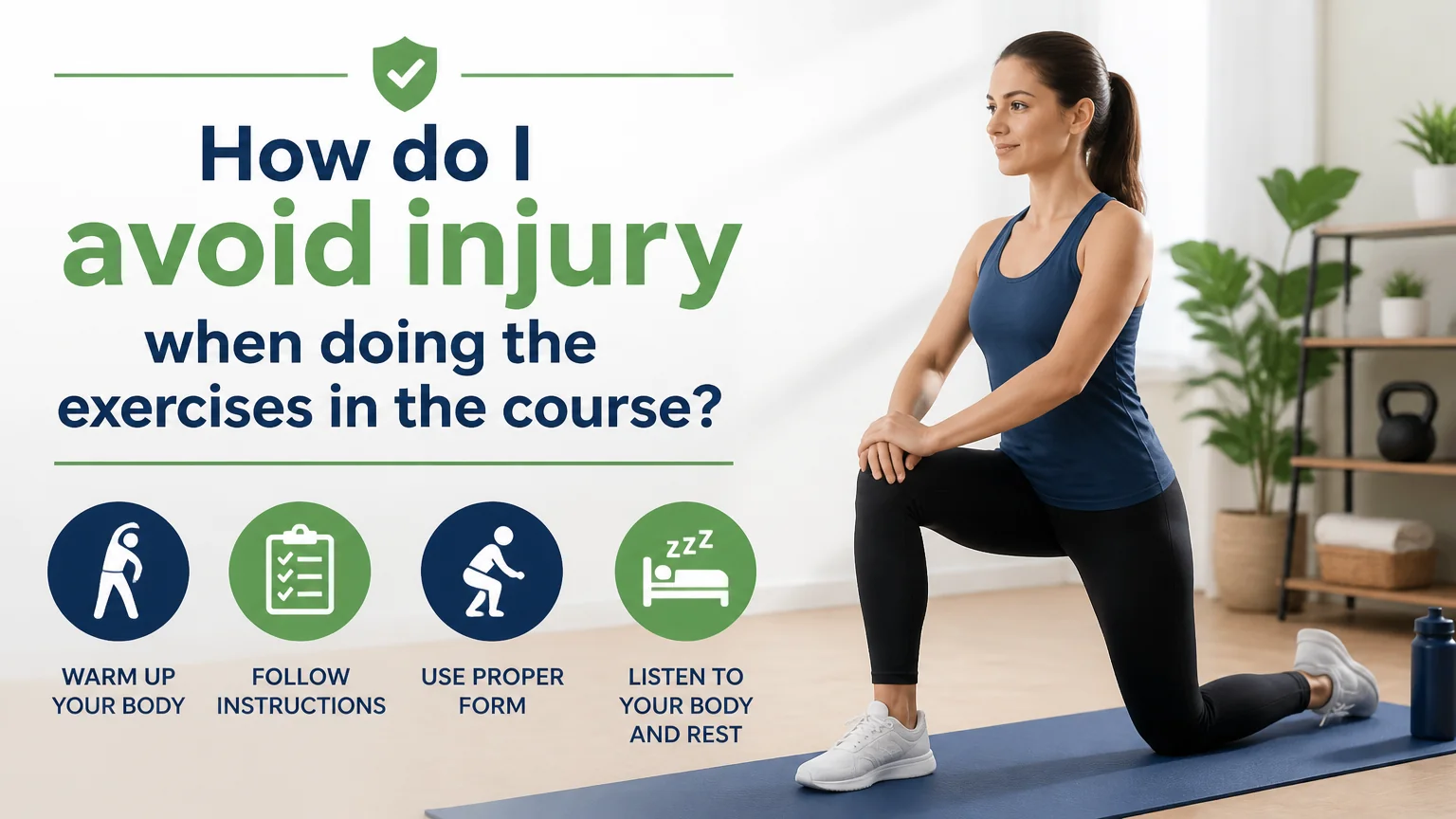
Don't try to lift maximum weight on the first day. Start with weights you can handle with good form and gradually increase the load as you get stronger. This reduces the risk of injury and ensures constant progress. Rome wasn't built in a day!
Cardio is any activity that elevates your heart rate. It is excellent for burning calories and improving cardiovascular health. However, it should not be the sole focus of your training.
HIIT (High-Intensity Interval Training) consists of alternating short bursts of intense exercise with periods of rest or low-intensity activity. It is a very efficient way to burn calories quickly and can even help improve insulin sensitivity. Are you short on time? HIIT is your ally!
Low-intensity cardio, such as walking, swimming, or cycling at a gentle pace, is ideal for recovery and maintenance. It is less stressful on the body than HIIT and can help you burn calories without getting overly fatigued.
Now, let's put all this into practice with an example of a weekly routine. Remember that this is just an example, and you can adapt it to your needs and preferences.
Exercise is important, but diet is even more crucial. You can do all the exercise in the world, but if you don't eat well, you won't see the results you desire.
You must ensure you consume enough protein to build and repair muscle. Carbohydrates give you energy for your workouts, and fats are essential for hormonal health. A balanced diet should include all three macronutrients in appropriate proportions.
Don't forget micronutrients, such as vitamins and minerals. They are essential for the optimal functioning of your body and play an important role in recovery and muscle growth. Be sure to eat a variety of fruits and vegetables.
Many people focus so much on exercise and diet that they forget the importance of rest and recovery. The body needs time to repair and rebuild itself after exercise.
Try to sleep at least 7-8 hours per night. Sleep is crucial for muscle recovery, hormone production, and general health. If you don't sleep enough, your progress will be affected.
Active recovery, such as stretching, yoga, or foam rolling, can help reduce muscle soreness and improve flexibility. It can also improve blood circulation and accelerate recovery.
To maximize your results, it is important to avoid some common mistakes.
Cardio is important, but it should not be the sole focus of your training. Strength training is essential for building muscle and burning fat in the long term.
Many people, especially women, are afraid of lifting weights because they fear becoming "too muscular." This is a myth. Lifting weights will help you tone your body, burn fat, and feel stronger and more confident.
Eating too little can slow down your metabolism and make it harder to lose fat. Eating too much can sabotage your fat loss efforts. Find a balance that works for you.
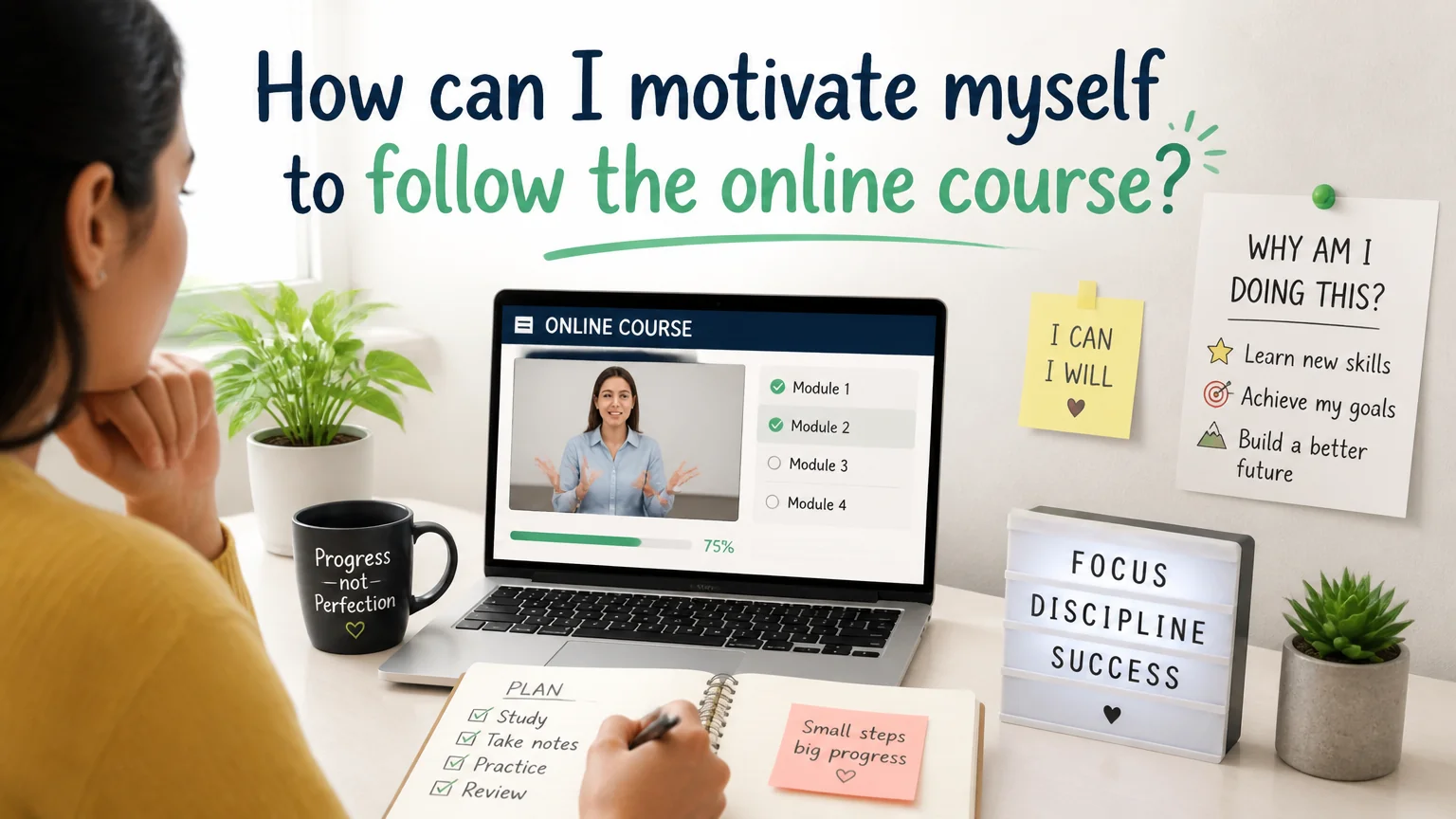
Losing fat and gaining muscle is a journey, not a destination. It requires time, effort, and dedication. Don't be discouraged if you don't see immediate results. Be consistent, listen to your body, and enjoy the process. Every small step brings you closer to your goal! And remember, it's not about being perfect, but about being consistent.
Ideally, you should do strength exercise at least 2-3 times per week and cardio 2-3 times per week. But the most important thing is to find a routine that you can maintain long-term.
HIIT is very effective for burning calories quickly, but low-intensity cardio can also be useful for recovery and maintenance. The important thing is to choose a type of cardio that you enjoy and can maintain consistently.
Most experts recommend consuming between 1.6 and 2.2 grams of protein per kilogram of body weight daily.
Supplements are not necessary, but some can be useful to complement a balanced diet. Creatine, for example, can help improve performance in strength training. Consult with a health professional before taking any supplements.
The time it takes to see results varies from person to person. It depends on factors like your genetics, your diet, your physical activity level, and your consistency. But if you are consistent and follow a balanced diet and an effective training plan, you should start to see results within a few weeks. Patience and perseverance!
Search
Popular searches