For Onlinecourses55
|
2025-11-18

Accessible Educational Resources for Everyone: Learn Without Barriers
Educational accessibility is crucial, and you can find valuable resources like online course platforms that help everyone learn and grow.
Have you ever wondered why some students seem to have every tool at their disposal while others struggle to access the same knowledge? Educational accessibility is the key to leveling the playing field. It means ensuring that everyone, regardless of their abilities or circumstances, has the opportunity to learn and grow. Think of it as building ramps instead of stairs: it benefits everyone, not just people who use wheelchairs. In this article, we’ll explore 34 accessible educational resources that can make a real difference in students’ lives. From free internet-based course platforms to tools specifically designed for students with dyslexia or visual impairments, there is something for everyone.
In the digital age, learning is no longer confined to traditional classrooms. Welcome to internet-based course platforms. They are like giant libraries filled with knowledge, accessible from the comfort of your home.
Coursera: A Wide Variety of Courses
Coursera offers courses, specializations, and even university qualifications from top universities and companies around the world. Many of its courses can be audited for free, which means you can access the content without having to pay. Imagine learning about programming from Stanford or marketing from Wharton without spending a cent.
edX: Courses from Prestigious Universities
Like Coursera, edX partners with renowned universities such as Harvard, MIT, and Berkeley. It offers a wide range of courses in various disciplines, from science to the humanities. It’s an incredible opportunity to learn from the best.
Do you love reading? Are you an avid bookworm? Digital libraries are a paradise for you. They’re like traditional libraries, but in digital format and accessible 24 hours a day, 7 days a week.
Project Gutenberg: Free Classics
Project Gutenberg offers more than 60,000 free ebooks, mainly classic works of literature. It’s an invaluable resource for literature students and reading enthusiasts in general. Imagine having access to all the works of Shakespeare, Jane Austen, or Charles Dickens at no cost.
Internet Archive: A Treasure Trove of Information
Internet Archive is much more than a digital library. It’s a vast archive of websites, books, music, videos, and software. You can find practically anything you’re looking for, from recordings of old concerts to copies of websites that no longer exist. It’s a true treasure trove of information.
Dyslexia can make reading a challenge, but fortunately, there are tools designed to make the process easier. These tools can help students overcome difficulties and enjoy reading.
OpenDyslexic Font: Makes Reading Easier
OpenDyslexic is a font designed specifically for people with dyslexia. The letters have heavier bases and unique shapes, which help readers distinguish between them and avoid confusion. It’s like wearing glasses for reading.
NaturalReader: Converts Text to Speech
NaturalReader converts text to speech, allowing students to listen to material instead of reading it. This can be especially useful for students with dyslexia who have difficulty decoding text. It’s like having a personalized audiobook.
Visual impairment does not have to be an obstacle to learning. There are tools and resources that can help students access educational materials and participate fully in the classroom.
NVDA: Free Screen Reader
NVDA (NonVisual Desktop Access) is a free screen reader that enables people with visual impairments to access content on their computers. It reads text aloud, describes images, and provides information about the structure of a webpage. It’s like having a guide lead you through the screen.
Audacity: Audio Editing for Adapted Materials
Audacity is free, open-source audio-editing software. It can be used to record, edit, and enhance audio files, making it a valuable tool for creating adapted educational materials for students with visual impairments. Imagine recording your own class notes or creating personalized audiobooks.
Sometimes, it’s best to have something tangible in your hands. Websites with printable educational materials offer a wide variety of activities, worksheets, and games that can be printed and used in the classroom or at home.
Twinkl: Educational Resources for Children
Twinkl offers a wide range of printable educational resources for children of all ages, from coloring sheets to complete lesson plans. It’s an invaluable source for parents and educators looking for high-quality materials to support learning.
Education. Com: Activities for All Ages
Education. Com offers a wide variety of educational activities for children of all ages, from preschool through high school. You can find worksheets, games, lessons, and much more.
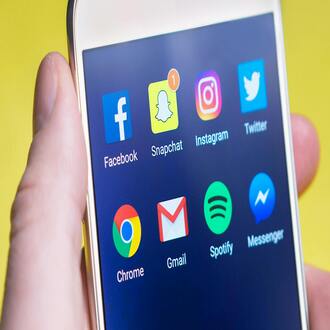
Learning doesn’t have to be boring. Mobile apps for interactive learning can make the process more engaging and fun for students of all ages.
Khan Academy Kids: Fun Learning for Children
Khan Academy Kids is a free app for children ages 2 to 7 that offers a wide range of educational activities, from reading and math to creativity and social-emotional development. It’s like having a school in your pocket.
Duolingo: Gamified Language Learning
Duolingo is a popular language-learning app that uses a gamified approach to make the process more fun and motivating. You can learn a variety of languages, from Spanish and English to French and German.
Creativity is an essential skill for the 21st century. Multimedia content creation platforms allow students to express themselves creatively and develop skills in areas such as graphic design, video editing, and music production.
Canva: Simplified Graphic Design
Canva is a web-based graphic design platform that makes it easy to create graphics, presentations, posters, and much more. It offers a wide range of templates and tools that allow users to create professional designs without needing technical knowledge. It’s like having a graphic designer at your disposal.
GarageBand: Intuitive Music Creation
GarageBand is a music creation app for Apple devices that lets users create music intuitively and easily. It offers a wide range of digital instruments, loops, and effects that allow users to create professional-quality music.
In the digital age, coding has become an essential skill. Websites for learning to code offer courses and tutorials that enable students to gain knowledge of different programming languages.
Codecademy: Learn to Code from Scratch
Codecademy offers interactive coding courses for beginners and advanced users. You can learn to code in a variety of languages, from Python and JavaScript to HTML and CSS.
Scratch: Visual Programming for Children
Scratch is a visual programming language designed for children. It allows children to create games, animations, and interactive stories in a simple and fun way.
Teamwork is an essential skill for success in the 21st century. Internet-based collaboration tools make communication and collaboration between students and teachers easier, regardless of their geographic location.
Google Workspace for Education: Educational Suite
Google Workspace for Education (formerly G Suite for Education) is a suite of internet-based tools that includes Gmail, Google Drive, Google Docs, Google Sheets, Google Slides, and Google Classroom. It makes collaboration, communication, and task organization easier.
Microsoft Teams for Education: Effective Communication
Microsoft Teams for Education is a collaboration platform that allows students and teachers to communicate, share files, and work together on projects.
It is essential to include diversity in education and provide tools so that people of all circumstances can access education.
Educar Association: Supporting Diversity
Educar Association promotes a change in perspective on diversity, seeking inclusion through learning.
CERMI: Spanish Committee of Representatives of Persons with Disabilities
CERMI brings together Spain’s main organizations for people with disabilities. It serves as a platform for representation, advocacy, and action on behalf of Spanish citizens with disabilities.
Educational accessibility is a fundamental right, not a luxury. Fortunately, more and more resources are becoming available to help students overcome barriers to learning. By using these resources and promoting inclusion in the classroom, we can create a future where everyone has the opportunity to reach their full potential. The future of education is accessible, and it is up to us to make it a reality.
How can I tell which resources are best suited to my students?: Assess your students’ individual needs and look for resources that address those specific needs. Try different tools and platforms until you find the ones that work best.
Are all these resources really free?: Many of the resources mentioned offer free options, but some may have premium features that require a subscription. Research carefully before committing to a paid service.
How can I help my child with dyslexia use OpenDyslexic Font?: Download and install the OpenDyslexic font on their computer or mobile device. Then set the font as the default in their reading and writing programs.
Where can I find more information about educational accessibility?: Search the websites of organizations specializing in inclusive education and accessibility, such as your country’s Ministry of Education.
What can I do if I can’t find a resource that meets my needs?: Contact organizations specializing in inclusive education and accessibility. They can offer guidance and support to help you find or create resources suited to your needs.
Search
Popular searches