For Onlinecourses55
|
2026-07-06
For Onlinecourses55
|
2026-07-06

How to turn a difficult customer into a loyal customer - handling difficult customers
Understanding the reasons behind customer frustrations can be pivotal—join our course on decoding difficult behaviors, which will help you enhance your conflict resolution skills.
Before reacting, it’s key to understand the causes leading to a tense interaction. A customer may seem difficult for many reasons: misaligned expectations, previous issues with the company, poor communication, or a stressful personal situation. Identifying the real reason behind the attitude allows us to respond strategically rather than emotionally. In general, difficult behavior is a sign of dissatisfaction or insecurity; if we can pinpoint the root of the problem, we’re closer to turning that friction into an opportunity to build trust.
The first step in handling these situations is mental preparation. Staying calm, cultivating a helpful attitude, and remembering that criticism is rarely personal helps prevent the conflict from escalating. Practice brief breathing exercises before handling a difficult call or responding to a confrontational email. Additionally, review relevant customer information: purchase history, previous communications, and applicable policies. Being well-informed conveys confidence and reduces the margin for error.
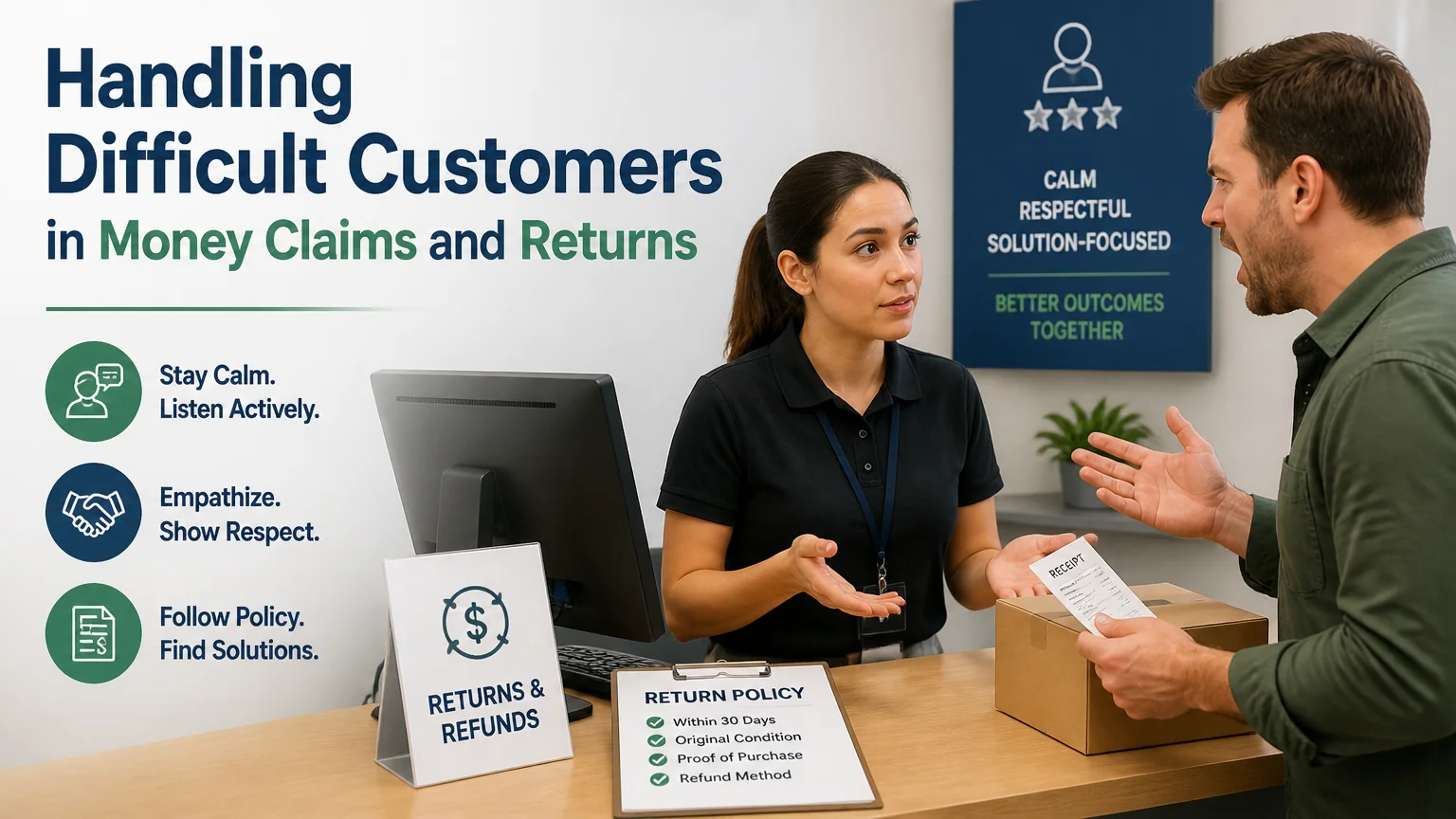
The way we communicate makes all the difference. Start by practicing active listening: let the customer speak without interruptions, repeat the problem in your own words to confirm that you’ve understood, and ask for clarification when necessary. Use phrases that acknowledge their experience, for example: “I understand that this has caused you inconvenience.” Avoid phrases that dismiss their concerns, such as “it’s not our fault” or “you’re misunderstanding.”
Showing empathy doesn’t mean agreeing with everything, but rather acknowledging the customer’s emotions and supporting them. Short, sincere phrases like “I’m sorry this happened” or “I understand that this is frustrating for you” help ease tension. If the customer becomes aggressive, maintain a calm tone, avoid retaliating, and try to de-escalate the situation with phrases that open the door to collaboration: “Let’s work together to find a solution.”
A difficult customer sometimes loses their temper because there are no clear boundaries: deadlines, responsibilities, and policies must be communicated transparently. Explain in simple terms what you can and cannot do, and offer realistic alternatives. If there are inflexible policies, explain why they exist and, when possible, offer justified exceptions that demonstrate a willingness to help without compromising internal processes.
Once you’ve understood the complaint and reassured the customer, act quickly and transparently. Design concrete solutions: partial refund, replacement, discount on the next purchase, additional support, or training. Communicate the steps, deadlines, and who will be responsible. Timely follow-up strengthens credibility; if you promise a call or a response within 48 hours, follow through scrupulously.
Fixing a mistake can be the best opportunity to build loyalty. After resolving the issue, personalize your follow-up: a thank-you message, a call to confirm satisfaction, or an exclusive offer. People remember how a crisis was handled more than the mistake itself. If the experience ends up being satisfactory, many difficult customers become loyal advocates who value the service and responsiveness.
Preventing problems from recurring is just as important as resolving them. Implement clear processes for complaint management, document cases, and analyze trends. Train the team in soft skills: active listening, handling objections, and de-escalation techniques. A well-prepared team reduces the likelihood of errors and responds consistently, which improves customer perception in the long term.
Dealing with difficult customers isn’t just about putting out fires; it’s an opportunity to demonstrate professionalism and build lasting relationships. With a mix of active listening, empathy, clear boundaries, and quick solutions, it’s possible to turn a negative experience into a story of loyalty. Every well-managed interaction is an investment in the company’s reputation and in the loyalty of those who choose it. Practice these techniques consistently, and you’ll see how even the most demanding customers become valuable advocates.