Hello everyone! Have you ever wondered if what you eat might be causing inflammation in your body? It's an important question, especially if you are struggling with chronic pain, fatigue, or just feeling "off." Today, we are going to explore a very particular diet: the carnivore diet, and how it might influence inflammation. Will it be a miracle solution or a recipe for disaster? Join me to find out.
What Is Inflammation and Why Does It Matter?
Imagine you hit your knee. What happens? It turns red, swollen, and it hurts. That is inflammation. It is your body's natural response to protect and heal itself. But what happens when that inflammation gets stuck in the "on" position all the time? That is where problems begin.
Types of Inflammation: Acute vs. Chronic
There are two main types of inflammation:
- Acute: This is the good inflammation, the one that helps you heal. It is fast, intense, and disappears once the problem is resolved.
- Chronic: This is the bad inflammation, the one that persists for weeks, months, or even years. It can damage your tissues and organs, and is linked to many chronic diseases.
Common Causes of Chronic Inflammation
What causes inflammation to become chronic? There are several culprits:
- Poor diet: Too much sugar, trans fats, and processed foods can inflame your body.
- Chronic stress: Constant stress releases hormones that can trigger inflammation.
- Lack of sleep: Not sleeping enough can disrupt your immune system and increase inflammation.
- Sedentary lifestyle: Lack of exercise contributes to chronic inflammation.
- Exposure to toxins: Pollution, pesticides, and other chemicals can inflame your body.
The Carnivore Diet: An Overview
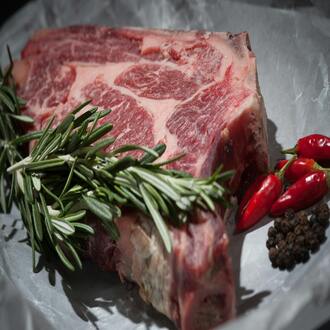
Now, let's talk about the carnivore diet. In short, it is about eating only animal products: meat, fish, eggs, and sometimes some dairy. Goodbye fruits, vegetables, grains, and legumes! Sounds radical, right?
What Can You Eat on the Carnivore Diet?
Here is a list of what is allowed:
- Meat: Beef, pork, chicken, lamb, organs (liver, kidney, heart).
- Fish: Salmon, tuna, sardines, mackerel.
- Eggs: Chicken, duck, quail.
- Dairy (optional): Butter, cheese, cream (if you tolerate them).
Potential Benefits of the Carnivore Diet
Some people who follow the carnivore diet claim to experience the following:
- Weight loss: Due to the high amount of protein and low amount of carbohydrates.
- Improved mental health: Some report greater mental clarity and less anxiety.
- Reduced inflammation: This is the main topic we are exploring.
- Improved gut health: By eliminating foods that can irritate the intestine.
Carnivore Diet and Inflammation: What is the Connection?
This is where things get interesting. How can a diet based only on meat help reduce inflammation? Well, there are several theories.
Mechanisms by Which the Carnivore Diet Might Reduce Inflammation
Here are some reasons why the carnivore diet might be anti-inflammatory:
Elimination of Inflammatory Foods
The carnivore diet eliminates all foods known to cause inflammation in many people, such as sugar, processed foods, refined vegetable oils, and grains. These foods can irritate the gut, trigger immune responses, and promote chronic inflammation.
High Content of Anti-inflammatory Nutrients
Meat, especially organs, is rich in anti-inflammatory nutrients such as:
- Omega-3 fatty acids: These help reduce inflammation and promote cardiovascular health.
- B vitamins: They are essential for nerve function and energy production.
- Zinc: An important mineral for immune function and wound healing.
- Selenium: An antioxidant that protects against cellular damage.
Scientific Evidence: What Does the Research Say?
Here is the tricky part. Research on the carnivore diet is limited. Most of the evidence is anecdotal, meaning it is based on the personal experiences of the people who follow it. There are some small studies suggesting that the diet may be beneficial for some conditions, such as inflammatory bowel disease, but more research is needed to confirm these findings.
Considerations and Potential Risks
Before diving headfirst into the carnivore diet, it is important to consider the potential risks.
Potential Nutritional Deficiencies
A meat-only diet can be deficient in certain nutrients, such as:
- Vitamin C: Necessary for immune function and collagen production.
- Fiber: Important for digestive health.
- Potassium: Essential for muscle and nerve function.
You may need supplements to compensate for these deficiencies. Talk to your doctor!
The Impact on Cardiovascular Health
A common concern with the carnivore diet is its high content of saturated fats and cholesterol. Some research suggests that excessive consumption of these fats may increase the risk of heart disease. However, other studies show that saturated fats are not as harmful as previously thought. Again, more research is needed.
How to Start an Anti-inflammatory Carnivore Diet
If you are interested in trying the carnivore diet to reduce inflammation, here are some tips:
Tips for a Successful Transition
- Start slowly: Don't jump in all at once. Gradually reduce your carbohydrate intake and increase your meat consumption.
- Choose quality meat: Opt for grass-fed and free-range animal meat, as they are richer in nutrients.
- Listen to your body: Pay attention to how you feel. If you experience negative side effects, adjust your diet or consult a health professional.
Monitoring Your Inflammation
There are several ways to monitor your inflammation:
- Blood tests: Blood tests can measure levels of inflammatory markers such as C-reactive protein (CRP) and erythrocyte sedimentation rate (ESR).
- Symptoms: Pay attention to your symptoms. Are you experiencing less pain, fatigue, or swelling?
- Photos: Take photos regularly to see how your body changes.
The Carnivore Diet and Inflammation: Is It Right for You?
The carnivore diet is a radical dietary approach that may have potential benefits for some people, especially those struggling with chronic inflammation. However, it also has potential risks, such as nutritional deficiencies and a possible impact on cardiovascular health.
Before starting the carnivore diet, it is crucial that you speak with your doctor or a registered dietitian. They can help you determine if it is safe and appropriate for you, and they can help you create an eating plan that meets your nutritional needs. Remember that health is a journey, not a destination. Find what works for you and don't be afraid to experiment. Good luck!
FAQs
- Is the carnivore diet safe for everyone? No. It is not recommended for people with certain medical conditions, such as kidney disease, liver disease, or eating disorders.
- Do I need to take supplements on the carnivore diet? Probably. You may need supplements for Vitamin C, potassium, and other nutrients.
- Can I eat dairy on the carnivore diet? Some people tolerate it well, others do not. Experiment to see what works for you.
- How long does it take to see results on the carnivore diet? It depends. Some people notice an improvement in their symptoms in a few weeks, while others take longer.
- Is the carnivore diet sustainable long-term? It depends on the individual. Some people follow it for years, while others find it too restrictive.