For Onlinecourses55
|
2026-02-19
For Onlinecourses55
|
2026-02-19

What is the carnivorous diet? - nutrition carnivore
Ready to explore the depths of the carnivore diet? Immerse yourself in our thorough course that teaches you everything you need to know to start this unique way of eating.
Have you ever wondered what it would be like to live eating only meat? Sounds radical, right? Well, that is the essence of the carnivore diet, a way of eating that has gained popularity in recent years. Some see it as a solution to persistent health problems, while others consider it a passing fad. In this article, we will thoroughly explore what the carnivore diet is, its potential benefits, associated risks, and how you can start if you feel intrigued. Prepare for a fascinating journey into the heart of this extreme diet.
The carnivore diet, in its strictest form, involves consuming exclusively animal products. This means meat, fish, poultry, eggs, and some dairy products (although many strict carnivores avoid dairy). The main idea is to eliminate all plant-based foods, such as fruits, vegetables, grains, legumes, and nuts.
To be clear, here is a quick list:
Allowed: Beef, pork, lamb, chicken, turkey, fish (salmon, tuna, sardines), eggs, bone marrow, bone broth, and occasionally some dairy products like cheese and butter (if well tolerated).
Forbidden: Fruits, vegetables, grains, legumes, nuts, seeds, vegetable oils, sugar, alcohol, and any processed food containing non-animal ingredients.
Why eliminate all plant foods? Proponents of the carnivore diet argue that many modern health problems are caused by consuming foods that our ancestors did not eat. They believe that plant-based foods contain antinutrients and inflammatory compounds that can negatively affect health. By eliminating these foods, the goal is to reduce inflammation, improve digestion, and optimize nutrient absorption.
Although scientific research on the carnivore diet is limited, many enthusiasts report a range of benefits:
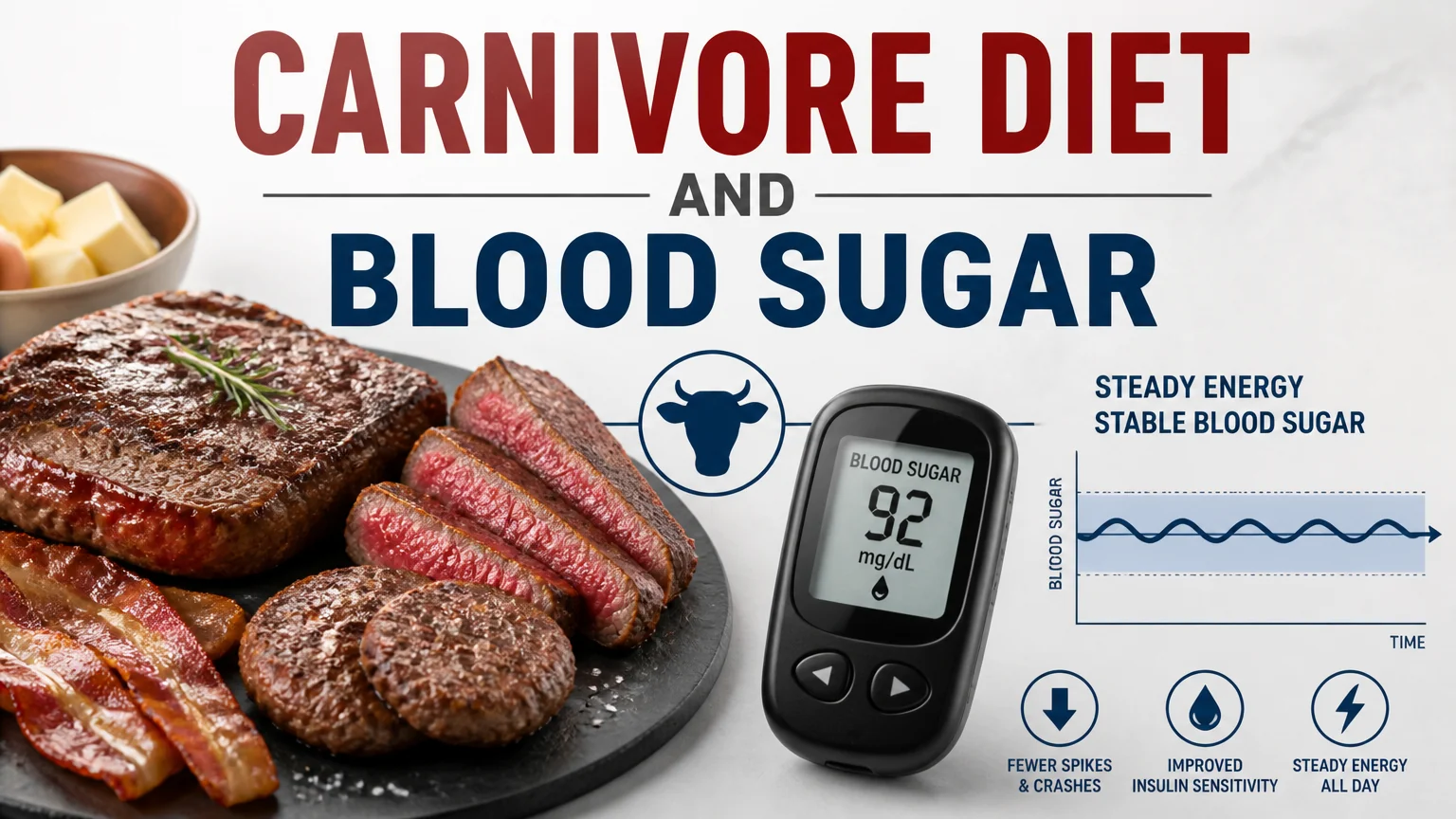
The carnivore diet can be effective for weight loss due to its high content of protein and fat, which are very satiating. Proteins require more energy to digest, which increases caloric expenditure. Furthermore, eliminating refined carbohydrates and sugars helps stabilize blood sugar levels, reducing cravings and hunger.
Some people report an improvement in their mood, energy levels, and mental clarity when following the carnivore diet. This could be due to the elimination of processed foods and sugars, which can negatively affect brain function. Additionally, meat is rich in essential nutrients for the brain, such as Vitamin B12 and iron.
Many proponents of the carnivore diet claim that it helps reduce chronic inflammation and alleviate symptoms of autoimmune diseases such as rheumatoid arthritis, Crohn's disease, and ulcerative colitis. The elimination of foods considered inflammatory can allow the immune system to calm down and recover.
The carnivore diet is not without risks. It is crucial to consider the following aspects before embarking on this adventure:
The carnivore diet is deficient in fiber, vitamin C, vitamin E, magnesium, and potassium, among other essential nutrients. You may need supplements to avoid long-term nutritional deficiencies. However, supplementation is not always the ideal solution, and it is important to consult a health professional.
The high consumption of saturated fats in the carnivore diet has raised concerns about its impact on cardiovascular health. While some research suggests that saturated fats are not as harmful as previously believed, it is important to monitor cholesterol and triglyceride levels, especially if you have a family history of heart disease.
The carnivore diet raises important ethical and environmental questions. The massive consumption of meat can have a negative impact on animal welfare and the environment due to greenhouse gas emissions and deforestation. It is important to consider the origin of the meat you consume and opt for sustainable and ethical sources whenever possible.
If you are considering trying the carnivore diet, here is a step-by-step plan:
Before making any drastic changes to your diet, it is essential to consult a doctor or nutritionist. They can evaluate your health status, identify potential risks, and offer personalized guidance.
Some people prefer to make a gradual transition to the carnivore diet, slowly eliminating plant-based foods. Others opt for an abrupt transition, eliminating all plant foods at once. The choice depends on your personal tolerance and preferences.
It is important to closely monitor your health while on the carnivore diet. Pay attention to how you feel physically and mentally, and get regular blood tests to evaluate your nutrient levels and health markers. Adjust your diet and supplementation as needed.
What can you eat on the carnivore diet? Here are some ideas for your menu:
Ingredients:
Instructions:
How does the carnivore diet compare to other popular diets?
The ketogenic diet (keto) is a low-carb, high-fat diet that seeks to induce a state of ketosis in the body. Although both diets are low-carb, the keto diet allows the consumption of some plant foods, such as low-carb vegetables and avocado, while the carnivore diet completely prohibits them.
The paleo diet is based on the foods that our hunter-gatherer ancestors supposedly ate. It allows the consumption of meat, fish, fruits, vegetables, nuts, and seeds, but excludes grains, legumes, dairy, and processed foods. The carnivore diet is much more restrictive than the paleo diet, eliminating all plant foods.
On the internet, you can find numerous testimonials from people who claim to have experienced significant health improvements by following the carnivore diet. Some report the disappearance of symptoms of autoimmune diseases, improved digestion, greater mental clarity, and notable weight loss. However, it is important to note that these testimonials are anecdotal and do not replace scientific evidence.
The carnivore diet is an extreme form of eating that may offer some potential benefits but also carries significant risks. Before trying it, it is essential to be thoroughly informed, consult a health professional, and consider your own needs and preferences. If you decide to try it, do so responsibly and monitor your health closely. Remember that there is no single diet that works for everyone, and what works for one person may not work for another. The important thing is to find a healthy and sustainable lifestyle that makes you feel good!
1. Is the carnivore diet safe long-term? The long-term safety of the carnivore diet is uncertain due to a lack of long-term studies. There is a risk of nutritional deficiencies if not planned carefully. Consulting a health professional is crucial.
2. What can I drink on the carnivore diet? Beverage options are limited. Water, bone broth, and unsweetened tea are the most common choices. Some occasionally consume zero-calorie diet sodas, although this is not strictly carnivore.
3. Can I exercise while following the carnivore diet? Yes, you can exercise, but you may need to adjust your electrolyte intake (sodium, potassium, magnesium) as the carnivore diet can affect electrolyte balance.
4. How do I handle carbohydrate cravings on this diet? Carbohydrate cravings are common initially. Increasing fat and protein intake, ensuring you are well-hydrated, and being patient are key strategies. Cravings usually decrease over time.
5. Is the carnivore diet sustainable for the environment? The sustainability of the carnivore diet is a subject of debate. High meat consumption can have a significant environmental impact. Choosing sustainable and ethically raised meat sources can help mitigate this impact.