For Onlinecourses55
|
2026-10-14
For Onlinecourses55
|
2026-10-14
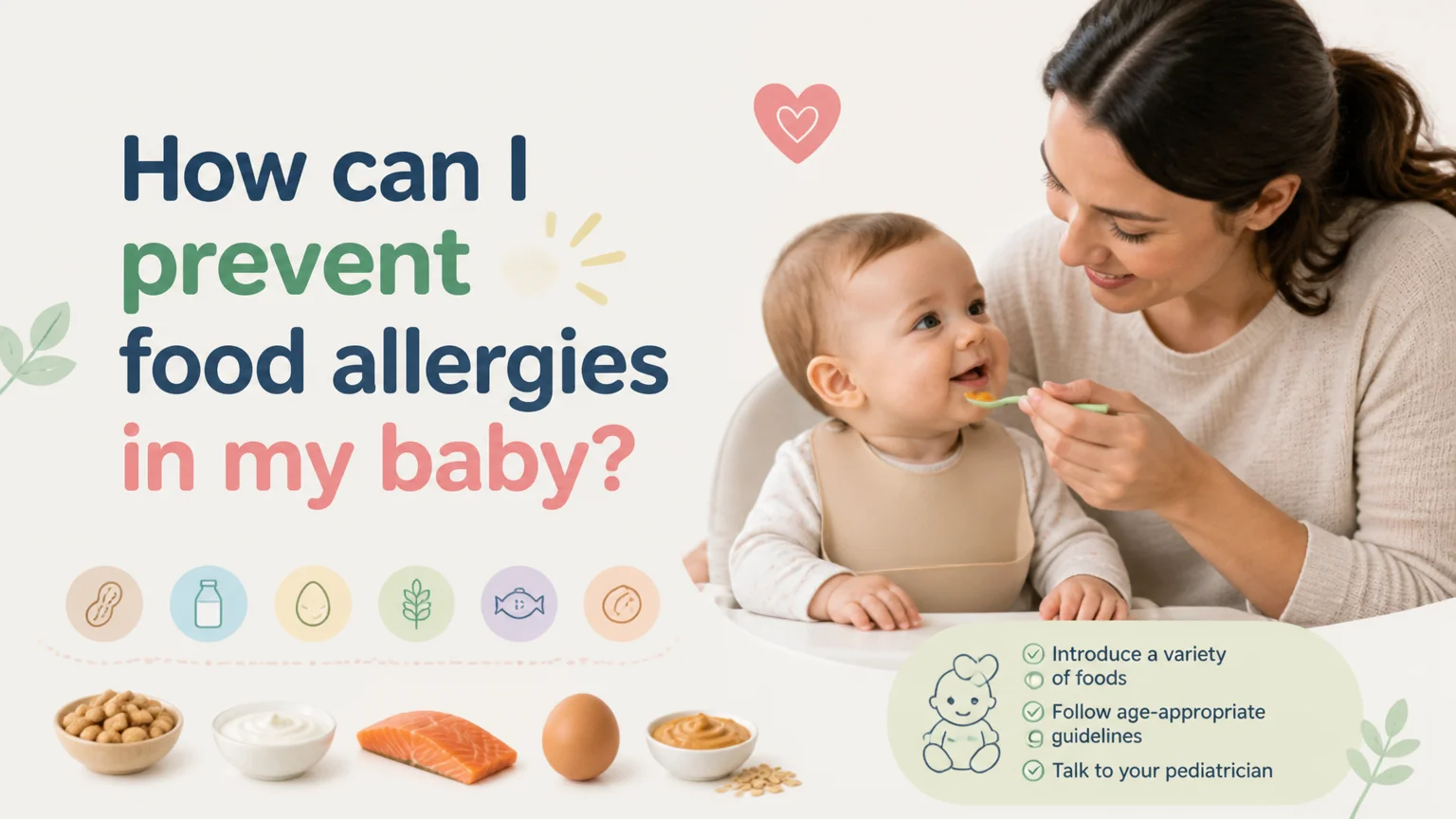
How can i prevent food allergies in my baby? - nutrition children
As you prepare for your baby, understanding food allergies is crucial. Enhance your knowledge by enrolling in a thorough course on child nutrition that addresses this topic.
Hello, expectant parents! Are you excited about the arrival of your baby? Congratulations! But, as responsible parents, you are surely also thinking about how to protect your little one from all dangers, including food allergies. Don't worry! Although the topic may seem overwhelming, with the right information and a little patience, you can take important steps to reduce the risk of allergies in your baby. In this article, we will guide you step-by-step to understand and prevent food allergies. Let's go!
Food allergies occur when the baby's immune system overreacts to a protein present in a food. Instead of recognizing the protein as harmless, it identifies it as a threat and triggers an allergic reaction. These reactions can range from mild symptoms, such as skin rashes and itching, to severe reactions, such as difficulty breathing and anaphylaxis, which can be life-threatening to the baby.
A baby's immune system is still developing. As the baby grows, their immune system learns to distinguish between harmless and dangerous substances. In some cases, the baby's immune system wrongly reacts to a food protein, triggering an allergy. Furthermore, genetic and environmental factors, and a family history of allergies also play an important role.
Here comes the practical advice! Preventing food allergies in your baby is not an exact science, but following these strategies can make a big difference.
Modern science has shown that the early introduction of allergenic foods, between 4 and 6 months of age, can help prevent the development of food allergies. Yes, you read that right! Previously, it was recommended to delay the introduction of these foods, but now we know that doing so can be counterproductive.
Breastfeeding is the best food for your baby during the first six months of life. Not only does it provide all the nutrients your baby needs, but it also strengthens their immune system and reduces the risk of allergies.
If you cannot breastfeed your baby, talk to your pediatrician about hypoallergenic formulas.
The best way to prevent food allergies is to know your baby well. Closely observe their behavior, skin, and stools after introducing a new food.
If you observe any of these symptoms, consult your pediatrician immediately.
Don't feel overwhelmed! Food allergy prevention can be a complex topic, and it is important to have the support of a health professional. Your baby's pediatrician will be able to answer your questions, offer personalized advice, and refer you to an allergist if necessary.
Preventing food allergies in your baby is a journey that requires patience, information, and the support of a health professional. By following key strategies, such as the early introduction of allergens and breastfeeding, you can significantly reduce the risk of allergies in your little one. Remember that every baby is different, and it is important to adapt the strategies to their individual needs. Trust your maternal or paternal instincts and enjoy this wonderful stage!
1. What should I do if my baby has an allergic reaction?
If you suspect your baby is having an allergic reaction, seek immediate medical attention. If the reaction is severe, such as difficulty breathing or throat swelling, call 911 or your local emergency number.
2. Can I give my baby honey to prevent allergies?
It is not recommended to give honey to babies under one year old due to the risk of infant botulism, a serious illness caused by bacteria present in honey.
3. What should I do if my baby rejects an allergenic food?
If your baby rejects an allergenic food, do not force it. Try again in a few days or weeks. You can mix the food with others they like to make it more appealing.
4. Is it necessary to do allergy tests on my baby before introducing allergenic foods?
Allergy tests are not necessary unless there is a family history of severe allergies or if your baby has had previous allergic reactions. Speak with your pediatrician to determine if allergy testing is necessary.
5. Can early introduction of allergens cause allergies in my baby?
While there is a small risk that the early introduction of allergens may trigger an allergy, scientific evidence suggests that the risk is much lower than the risk of not introducing allergens early. Always consult with your pediatrician before introducing any new food to your baby.
Search
Popular searches

![Online course on child nutrition and blw [baby led weaning]: what is it and how to get started?](/images/postDuplicados/onlinecourses55-online-course-on-child-nutrition-and-blw-baby-led-weaning-what-is-it-and-how-to-get-started.webp)