For Onlinecourses55
|
2026-03-11
For Onlinecourses55
|
2026-03-11

Online child nutrition tips - nutrition children
To navigate the complexities of child nutrition effectively, consider our structured online nutrition course, designed with practical insights for modern parents.
Being a parent in the 21st century is a challenge, right? And when it comes to child nutrition, the amount of information online can be overwhelming. From blogs to forums and social media, it’s easy to get lost in a sea of contradictory advice. This article is your compass, your map to navigate that labyrinth and make informed decisions about feeding your little ones. We will break down 33 practical tips that will help you raise healthy and happy children in the digital age.
Before diving into online tips, it’s crucial to review the basic pillars of child nutrition. Think of it like building a house: you need strong foundations for everything else to stand.
Breastfeeding is, without a doubt, the gold standard for infant feeding during the first six months. It provides antibodies, essential nutrients, and strengthens the bond between mother and child. But let's be realistic: it's not always possible or viable for all mothers. If breastfeeding is not an option, infant formula is a nutritious and safe alternative. Always consult with your pediatrician to determine the best option for your baby.
Around six months, it's time to introduce solid foods. How exciting! But it can also cause anxiety. The key is gradualness.
How do you know if your baby is ready? Look for these signs: they can sit with support, have good head control, and show interest in food (opening their mouth when they see you eating!).
Start with simple, single-ingredient purees like avocado, sweet potato, pumpkin, or apple. Introduce a new food every three or four days to detect potential allergies. Patience! They might make funny faces at first, but it's part of the process.
Now, let's get into the juicy part: how to use online resources to facilitate your children's feeding.
Do you feel overwhelmed thinking about what to prepare for dinner? There are tons of websites and blogs with healthy and easy recipes for babies and toddlers. Look for inspiration! Filter by age, ingredients, and allergies to find options that suit your needs. Many even offer complete weekly menus.
There are incredible applications that help you log your child's meals, monitor their nutrient intake, and track potential allergies. Some even allow you to scan food barcodes for instant nutritional information. Technology working for us!
Buying baby food online can save you time and money. Look for specialized stores that offer organic, gluten-free, or allergy-specific products. Compare prices, read reviews, and take advantage of offers. But beware of imitations! Make sure you buy from reliable websites.
The internet is full of information, but also misinformation. Here we address some common problems and how to find reliable online solutions.
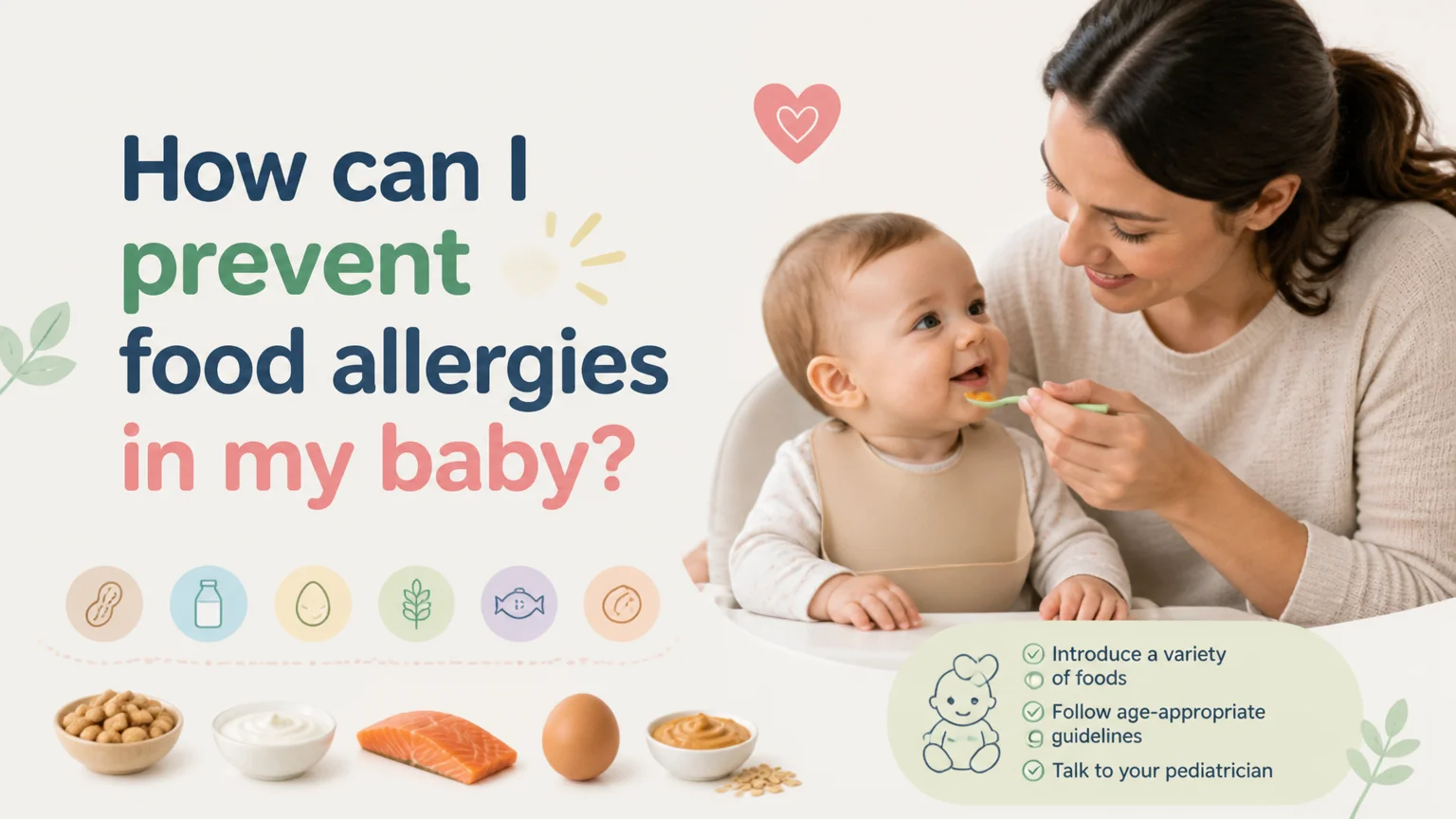
If you suspect your child has an allergy, don't panic! The first thing is to consult with a pediatrician or allergist. But while waiting for your appointment, you can research online about common food allergy symptoms (skin rashes, digestive problems, difficulty breathing) and the foods that usually cause them (milk, egg, peanut, tree nuts, soy, wheat, fish, shellfish). There are many online resources that offer accurate information and advice for managing allergies.
Almost all parents face a picky eater at some point. You are not alone! The good news is that there are many strategies you can try. Look for blogs and forums where other parents share their experiences and tricks to encourage their children to try new foods. Some ideas: present food in a fun way (cutting vegetables into shapes), involve them in meal preparation, and offer small portions of new foods alongside their favorites.
Childhood obesity is a growing concern. The internet can be a useful tool for learning about healthy eating habits and appropriate physical activities for children. Look for information about the healthy plate for children, the importance of limiting the consumption of sugars and saturated fats, and the need to encourage active play instead of screen time. Remember: prevention is key.
Not all websites are equal. Here are some recommendations to find reliable information.
Look for websites from recognized medical organizations such as the American Academy of Pediatrics or the World Health Organization. There are also blogs written by certified pediatric nutritionists and dietitians that offer practical and evidence-based advice. Run away from self-proclaimed gurus without credentials!
If you want to deepen your knowledge, consider taking an online course or attending a webinar on child nutrition. There are options for all budgets and experience levels. These courses usually cover topics such as the introduction of solids, the management of food allergies, and the prevention of childhood obesity.
Child nutrition may seem like a challenge, but with the right information and a little patience, you can raise healthy and happy children in the digital age. Use online resources intelligently, always consult with your pediatrician, and trust your parental instinct. You can do it!
Observe your baby's signals of hunger and fullness. If they are gaining weight appropriately and producing enough wet diapers, they are probably eating enough.
Don't give up. Keep offering small portions of new foods again and again. They may need to try a food several times before accepting it.
Organic foods have fewer pesticides but are not necessarily more nutritious than conventional foods. Choose what fits your budget and preferences.
Breastfeeding does not provide enough Vitamin D, so breastfed babies need a supplement. Older children should consume foods rich in Vitamin D or take a supplement if they don't get enough through their diet.
Consult with your pediatrician or allergist. They can perform tests to identify the allergy and recommend a treatment plan.
Search
Popular searches

![Online course on child nutrition and blw [baby led weaning]: what is it and how to get started?](/images/postDuplicados/onlinecourses55-online-course-on-child-nutrition-and-blw-baby-led-weaning-what-is-it-and-how-to-get-started.webp)