For Onlinecourses55
|
2025-12-31
For Onlinecourses55
|
2025-12-31

What are the differences between an online course and a face-to-face course on child nutrition? - nutrition children
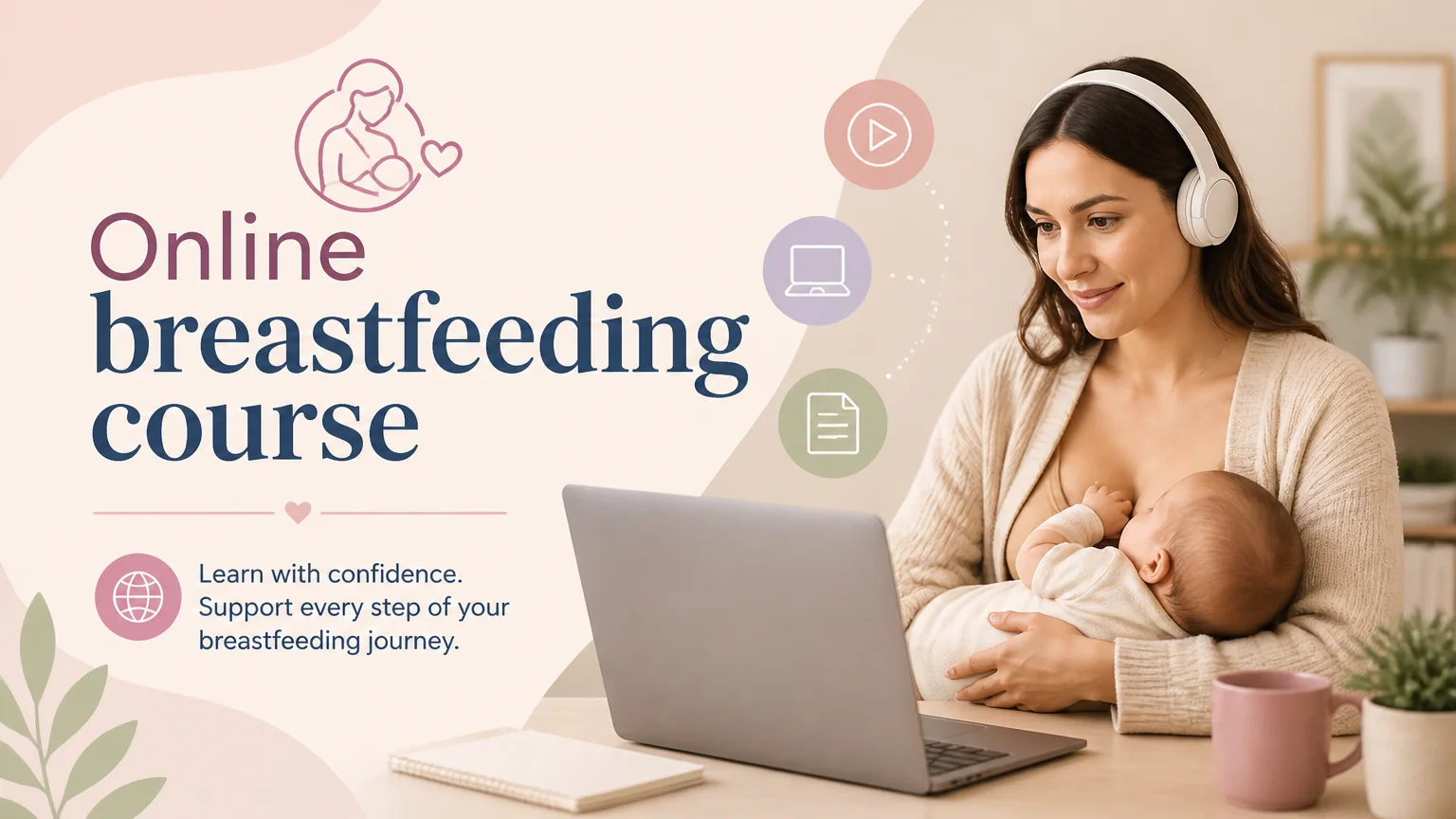
Embarking on the journey of infant nutrition requires solid knowledge, and to enhance your expertise, enroll in an online course that focuses on the essentials of feeding young children for a healthy start.
Hello, future infant nutrition expert! Congratulations on considering this vital field. Infant nutrition is much more than just feeding children. It involves understanding their unique needs at every stage of their development, preventing illnesses, and laying the foundation for a healthy life. But how do you become an expert in this field? The answer usually is: through education. And this is where the big question arises: online course or in-person?
Both modalities have their pros and cons, like everything in life. Choosing the right one depends on your circumstances, your learning style, and your objectives. So, let's break down these differences so you can make the best decision!
Imagine this: You are in your pajamas, a cup of coffee in hand, learning about the importance of iron in a baby's diet. Sounds good, right? That is one of the many advantages of an online course.
This is, without a doubt, one of the greatest appeals of online courses. Do you have a full-time job? Are you a parent with an impossible schedule? No problem. You can study when you want, wherever you want. The classroom is open 24/7!
Need to review a topic several times? Go ahead. Are you bored with a section and prefer to skip it? (Although we don't recommend it, the freedom is yours!). Online courses allow you to learn at your own pace, without pressure or rush.
Don't expect just boring PDFs. Many online courses offer interactive videos, dynamic presentations, podcasts, and even simulations. Learning can be fun!
In general, online courses tend to be more economical than in-person ones. There are no expenses for transportation, printed materials, or classroom rental. Your wallet will thank you!
But not everything is rosy. The main disadvantage of an online course is that it requires a lot of self-discipline. No one is going to force you to study. If you are prone to procrastination, beware! You might end up with the course half-finished.
Now, imagine a different situation: You are in a classroom, surrounded by other students passionate about infant nutrition. The professor is explaining a difficult concept, and you can raise your hand to ask any questions. That is the power of human contact!
Face-to-face interaction with professors and peers is invaluable. You can ask questions in real-time, participate in debates, exchange ideas, and learn from the experiences of others.
Many in-person courses include internships in hospitals, health centers, or daycares. This allows you to apply theoretical knowledge in real situations and gain valuable experience.
In-person courses are an excellent opportunity to meet other professionals in the sector. You can make contacts, exchange business cards, and build a professional network that will help you in your career.
In-person courses usually have a well-defined study program and a strict schedule. This can be an advantage if you need structure and external motivation.
But there are also disadvantages. In-person courses usually have fixed schedules and specific locations. This can be a problem if you have a full-time job, live far from the study center, or have other obligations.
| Feature | Online Course | In-Person Course |
|---|---|---|
| Schedule | Flexible | Fixed |
| Location | Anywhere with internet access | Specific location |
| Cost | Generally lower | Generally higher |
| Interaction | Limited, through forums or video calls | Direct, face-to-face |
| Discipline | Requires a lot of self-discipline | Structure and external motivation |
| Resources | Digital (videos, podcasts, presentations) | Printed materials, live practices |
| Networking | Limited, through forums or social media | Greater opportunity to build a professional network |
We come to the crux of the matter: which option is best for you? The answer, as is often the case, is: it depends. Here are some factors to consider:
Do you learn best by reading books, listening to podcasts, or doing things with your hands? If you are a visual or auditory person, an online course might be perfect for you. If you are kinesthetic, an in-person course with lots of practical work might be more suitable.
Do you have a lot of free time or are you very busy? If you have little time, an online course with flexible hours might be the best option. If you have free time and need structure, an in-person course might be more suitable.
Do you have a tight budget or can you afford to spend a little more? If you have a tight budget, an online course might be the best option. If you can afford to spend a little more, an in-person course could offer you a more complete experience.
Do you want to learn the basics of infant nutrition, or do you want to become a recognized expert in the field? If you just want to learn the basics, an online course might be sufficient. If you want to become an expert, an in-person course with practical work and networking could be more valuable.
Both online and in-person courses offer an excellent opportunity to train in infant nutrition. The key is choosing the option that best suits your needs, your learning style, and your professional goals. Don't be afraid to explore both modalities and find the one that makes you feel most comfortable and motivated! Remember that infant nutrition is a field in constant evolution, so never stop learning and updating your knowledge. I wish you much success on your path toward excellence in infant nutrition!
Certification varies depending on the course and the institution offering it. Some courses offer certificates of participation, while others offer more formal degrees, such as diplomas or degrees. It is important to research what type of certification each course offers and if it is recognized by relevant employers or institutions in your field.
In general, the depth of content can be similar in both types of courses. However, in-person courses may offer a more immersive experience with live discussions, Q&A, and the ability to explore topics in greater detail. Online courses, on the other hand, may offer a greater variety of resources and the ability to learn at your own pace.
In in-person courses, questions can be resolved directly with the professor during class or during office hours. In online courses, questions can be resolved through discussion forums, emails, or video calls with the professor.
In in-person courses, practical skills can be acquired through live practices, simulations, and group work. In online courses, practical skills can be acquired through interactive exercises, case studies, and projects.
For professionals already working in the field, the best option depends on their individual needs and goals. If they are looking for a flexible way to update their knowledge and skills, an online course might be the best option. If they are looking for an opportunity to connect with other professionals and participate in live discussions, an in-person course might be more valuable.