For Onlinecourses55
|
2025-12-03
For Onlinecourses55
|
2025-12-03
What foods should i avoid giving my baby? - nutrition children
In the early months, establishing a proper eating routine is crucial, so to help you navigate this phase, consider joining a program that teaches best practices for baby nutrition to ensure a healthy start.
Ah, the arrival of a baby! An explosion of joy, sleepless nights, and, of course, many questions. One of the biggest concerns for parents is, without a doubt, feeding. After all, we want to give our little ones the best, don't we? But, amidst so many options, how do you know what is safe and what should be avoided?
In the first months of life, nutrition plays a crucial role in a baby's development. It is during this phase that the body and brain grow at an accelerated pace. Adequate nutrition ensures healthy growth, strengthens the immune system, and lays the foundation for a long and happy life.
You might be wondering: why can some foods, which are great for adults, be dangerous for babies? The answer is simple: babies' digestive systems are still developing. Furthermore, some foods may contain harmful substances or pose a choking hazard.
Let's get straight to the point and list the foods you should avoid giving your baby:
Honey seems like a natural and healthy option, right? Wrong! Honey can contain spores of a bacterium called Clostridium botulinum, which can cause infant botulism.
Infant botulism is a rare but serious disease that affects babies under 1 year old. Symptoms include constipation, muscle weakness, and difficulty breathing. So, however tempting it is to sweeten the pacifier with a little honey, avoid it!
Cow's milk is a complete food for calves, but not for babies. It does not contain the ideal amount of nutrients that babies need, such as iron and vitamins.
Furthermore, cow's milk can hinder the absorption of iron, an essential mineral for cognitive development and preventing anemia. Therefore, wait until your child's first birthday before offering cow's milk.
Raisins, peanuts, nuts… hmmm, delicious! But, for babies, they represent a great risk of choking. The size and texture of these foods can easily obstruct the airways. Always cut food into small pieces and supervise the baby during meals.
Crackers, snacks, instant noodles… these foods are veritable bombs of sodium and artificial additives. They offer no nutritional benefit and can overload the baby's kidneys.
Babies' kidneys are still developing and cannot cope with large amounts of salt. Furthermore, excessive consumption of salty foods can addict the baby's palate, leading to poor dietary choices in the future.
Candies, chocolates, sodas… all these foods are high in sugar and empty calories. They offer no essential nutrients and can cause cavities, obesity, and other health problems.
Now that we know what to avoid, let's talk about safe and nutritious options for feeding your baby.
Homemade purees are an excellent option to start solid food introduction. You can use fresh and organic fruits, vegetables, and greens to prepare nutritious and tasty meals.
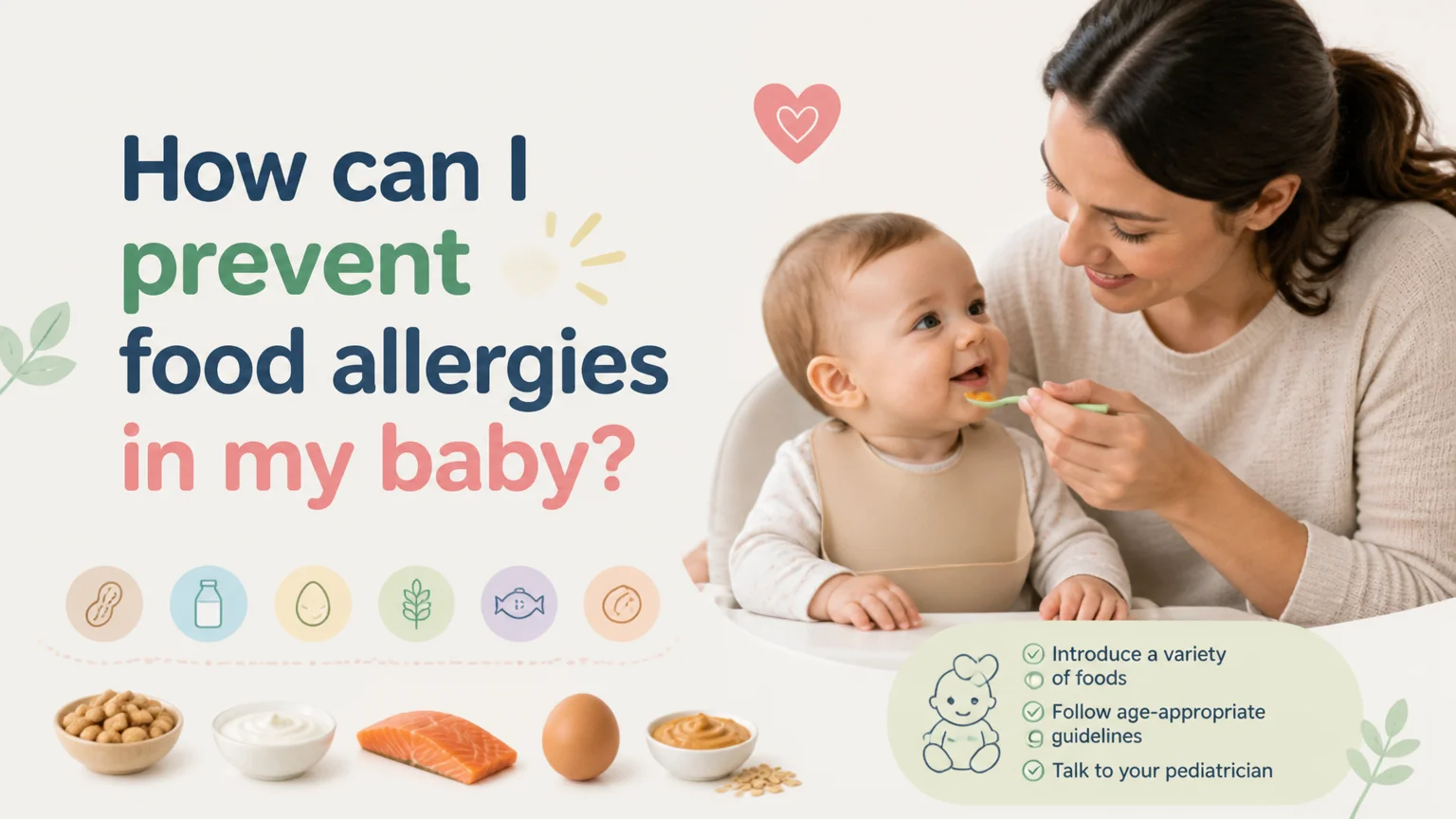
The introduction of solid foods should be done gradually and individually. Start by offering one new food at a time, observing the baby's reaction. If there is no allergy or intolerance, you can add other foods to the diet.
It is important to be alert to the signs of food allergy, which may include rashes, itching, swelling, vomiting, diarrhea, and difficulty breathing.
Carefully observe your baby's behavior after each meal. If you notice any unusual symptoms, stop the food and consult the pediatrician.
The pediatrician is the most suitable professional to guide your baby's feeding. They can recommend the most appropriate foods for each developmental stage and provide important information about food allergies and intolerances.
Baby feeding is a journey full of challenges and discoveries. By avoiding dangerous foods and opting for safe and nutritious alternatives, you will be providing your child with a healthier and happier future. Always remember to consult the pediatrician and trust your intuition as a mother or father. After all, no one knows your baby better than you!
1. When can I introduce solid foods?
Generally, the introduction of solid foods is recommended starting at 6 months of age, when the baby can sit up alone and shows interest in food. However, consult the pediatrician for individualized guidance.
2. How do I know if my baby is allergic to a food?
Carefully observe your baby's behavior after each meal. If you notice symptoms such as rashes, itching, swelling, vomiting, diarrhea, or difficulty breathing, stop the food and consult the pediatrician.
3. What should I do if my baby chokes?
Stay calm and try to remove the object from the baby's mouth. If they cannot breathe, turn them face down and give light taps on the back. If choking persists, seek medical help immediately.
4. Can I give my baby fruit juice?
Fruit juice is not recommended for babies under 1 year old because it does not offer the same nutritional benefits as whole fruit and can contribute to the development of cavities. If you want to offer juice, dilute it in water and offer it in small quantities.
5. What are the best foods to start solid food introduction?
Good options for starting solid food introduction include mashed fruits (like banana, avocado, and papaya), cooked and mashed vegetables (like sweet potato, squash, and carrot), and iron-fortified infant cereals.
Search
Popular searches

![Online course on child nutrition and blw [baby led weaning]: what is it and how to get started?](/images/postDuplicados/onlinecourses55-online-course-on-child-nutrition-and-blw-baby-led-weaning-what-is-it-and-how-to-get-started.webp)