For Onlinecourses55
|
2025-12-22
For Onlinecourses55
|
2025-12-22
Antioxidants - nutrition holistic
Understanding the role of antioxidants and free radicals is crucial for your health journey. Why not broaden your knowledge even further by pursuing a holistic nutrition course? This specialized training will equip you with insights into how food choices affect oxidative stress and overall well-being.Check out this comprehensive holistic nutrition course and empower yourself to make informed dietary decisions.
Have you ever wondered why a cut apple turns brown quickly? That is oxidation in action! And similarly, our bodies are constantly exposed to oxidative processes. This is where antioxidants come into play—our cellular superheroes!
Free radicals are unstable molecules that are naturally produced in the body as a result of metabolism and exposure to environmental factors like pollution, cigarette smoke, and radiation. Think of them as tiny "thieves" trying to steal electrons from other molecules, damaging cells, proteins, and DNA in the process. This damage, known as oxidative stress, has been linked to a wide range of chronic diseases and premature aging.
Antioxidants are molecules that have the ability to donate electrons to free radicals without becoming unstable themselves. They act as generous "donors," neutralizing free radicals and preventing cellular damage. Essentially, they protect our cells from the attack of these "thieves"!
Antioxidants are essential for maintaining good health. They are not just a passing fad; they are vital for optimal body function. But how exactly do they benefit us?
Antioxidants play a crucial role in protecting our heart and blood vessels. They help prevent the oxidation of LDL cholesterol ("bad cholesterol"), which is a key factor in the formation of plaques in the arteries (atherosclerosis). By reducing LDL oxidation, antioxidants help keep arteries clean and flexible, decreasing the risk of heart disease. Isn't it amazing how something so small can have such a big impact on our cardiovascular health?
A strong immune system is essential for defending ourselves against infections and diseases. Antioxidants help strengthen the immune system by protecting immune cells from damage caused by free radicals. A robust immune system means our body is better equipped to fight viruses, bacteria, and other invaders. Think of it as a well-trained army, ready to defend our health!
Who doesn't want to look and feel younger for longer? Antioxidants can help slow down the aging process by protecting cells from damage caused by free radicals. This damage contributes to the appearance of wrinkles, age spots, and other signs of aging. By neutralizing free radicals, antioxidants help keep skin healthy, flexible, and radiant. It's like giving your cells a protective shield, helping them resist the passage of time!
Research has shown that antioxidants can help protect against certain types of cancer. Oxidative stress and DNA damage can increase the risk of developing cancerous cells. Antioxidants help prevent this damage, thereby reducing the risk of cancer. While antioxidants are not a cure for cancer, they can be a valuable tool in prevention. It's like adding an extra layer of protection to your health, decreasing the chances of developing this devastating disease!
The good news is that getting antioxidants is deliciously easy. They are abundantly found in a variety of delicious and nutritious foods. You don't need to search for rare or exotic ingredients!
Fruits are a fantastic source of antioxidants. Berries, such as blueberries, strawberries, raspberries, and blackberries, are packed with antioxidants called anthocyanins, which give them their vibrant colors. Pomegranates, red grapes, and cherries are also excellent choices. Why not start your day with a berry smoothie or enjoy a colorful fruit salad?
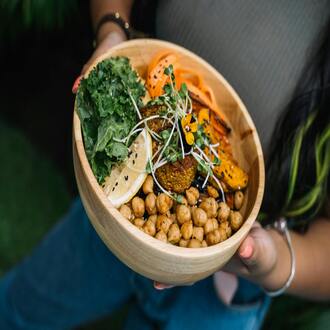
Vegetables are another important source of antioxidants. Dark green leafy vegetables, such as spinach, kale, and chard, are especially rich in antioxidants. Red and yellow peppers, carrots, broccoli, and tomatoes are also excellent choices. Try to include a variety of vegetables in your daily meals. Roasted, sautéed, or raw, vegetables are a delicious and healthy way to get your daily dose of antioxidants!
In addition to fruits and vegetables, there are other foods that offer a good amount of antioxidants. Dark chocolate (yes, you read that right!) is rich in flavonoids, which are powerful antioxidants. Nuts and seeds, such as Brazil nuts, sunflower seeds, and chia seeds, are also good sources. Legumes, like black beans and kidney beans, also contain antioxidants. Even some spices, such as turmeric, ginger, and oregano, are packed with antioxidants!
With all this buzz about antioxidants, it's natural to wonder if we should take supplements. Do we really need an "extra" besides what we get from our diet?
Before jumping into antioxidant supplements, it's important to keep a few things in mind. First, the best way to obtain antioxidants is through a balanced diet rich in fruits, vegetables, and other whole foods. Supplements should not be a substitute for healthy eating. Second, taking high doses of certain antioxidants can be harmful. It's important to talk to your doctor or a nutritionist before starting any supplement, especially if you have any pre-existing medical conditions or are taking medications.
Vitamin C is a powerful antioxidant that helps protect against cell damage, strengthens the immune system, and promotes skin health.
Vitamin E is another important antioxidant that helps protect cells from damage caused by free radicals. It is also important for skin and eye health.
Selenium is an essential mineral that acts as an antioxidant and is important for thyroid function and the immune system.
Adding more antioxidants to your diet can be easier and more delicious than you think. Here are some ideas to get you started:
There are many myths and misconceptions about antioxidants. Let's clear some up!
While antioxidants are beneficial, taking excessive doses can be harmful. Too much vitamin E, for example, can increase the risk of bleeding. It is important to follow dosage recommendations and talk to your doctor before taking supplements.
Absolutely not! The best way to obtain antioxidants is through a balanced diet rich in fruits, vegetables, and other whole foods. Supplements are only a complement, not a substitute.
Antioxidants are powerful tools for protecting your health and well-being. Incorporating antioxidant-rich foods into your daily diet is a delicious and effective way to fight free radicals and promote a healthier, more vibrant life. So go ahead, enjoy a rainbow of fruits and vegetables, and harness the antioxidant power available to you!
There is no universal recommended daily dosage for antioxidants, as needs vary based on age, lifestyle, and individual health. It is best to focus on consuming a diet rich in antioxidants through whole foods. Talk to your doctor or a nutritionist for personalized recommendations.
Yes, some antioxidants can interact with certain medications. For example, Vitamin E can increase the risk of bleeding in people taking anticoagulants. It is important to inform your doctor about all supplements and medications you are taking.
In most cases, yes. A varied and balanced diet rich in fruits, vegetables, nuts, seeds, and other whole foods can provide sufficient antioxidants for most people.
In general, antioxidants are safe when consumed in moderate amounts through food. However, taking high doses of antioxidant supplements can cause side effects such as nausea, diarrhea, and stomach pain.
No, the quality and effectiveness of antioxidant supplements can vary considerably. It is important to choose supplements from reliable brands that have been tested by third parties to ensure quality and purity. Look for approval seals from organizations like NSF International or USP.