For Onlinecourses55
|
2026-03-09
For Onlinecourses55
|
2026-03-09

Can i work as a holistic nutritionist after taking an online course? - nutrition holistic
Keen to understand how to pursue a career in holistic nutrition? This could be a great avenue for utilizing your passion for healthy living. Enrolling in a comprehensive course will equip you with the necessary skills to thrive as a holistic nutritionist.Learn what a holistic nutrition course can offer you and step into a rewarding career.
Hello to all future nutrition gurus! Have you ever wondered if you can really become a holistic nutritionist after completing an online course? The short answer is: it depends! But don't worry, we are going to break down everything you need to know to make an informed decision and, if you decide to move forward, to succeed in this exciting career.
Before we dive into the world of online courses, we must first understand what holistic nutrition entails. What is all this fuss about?
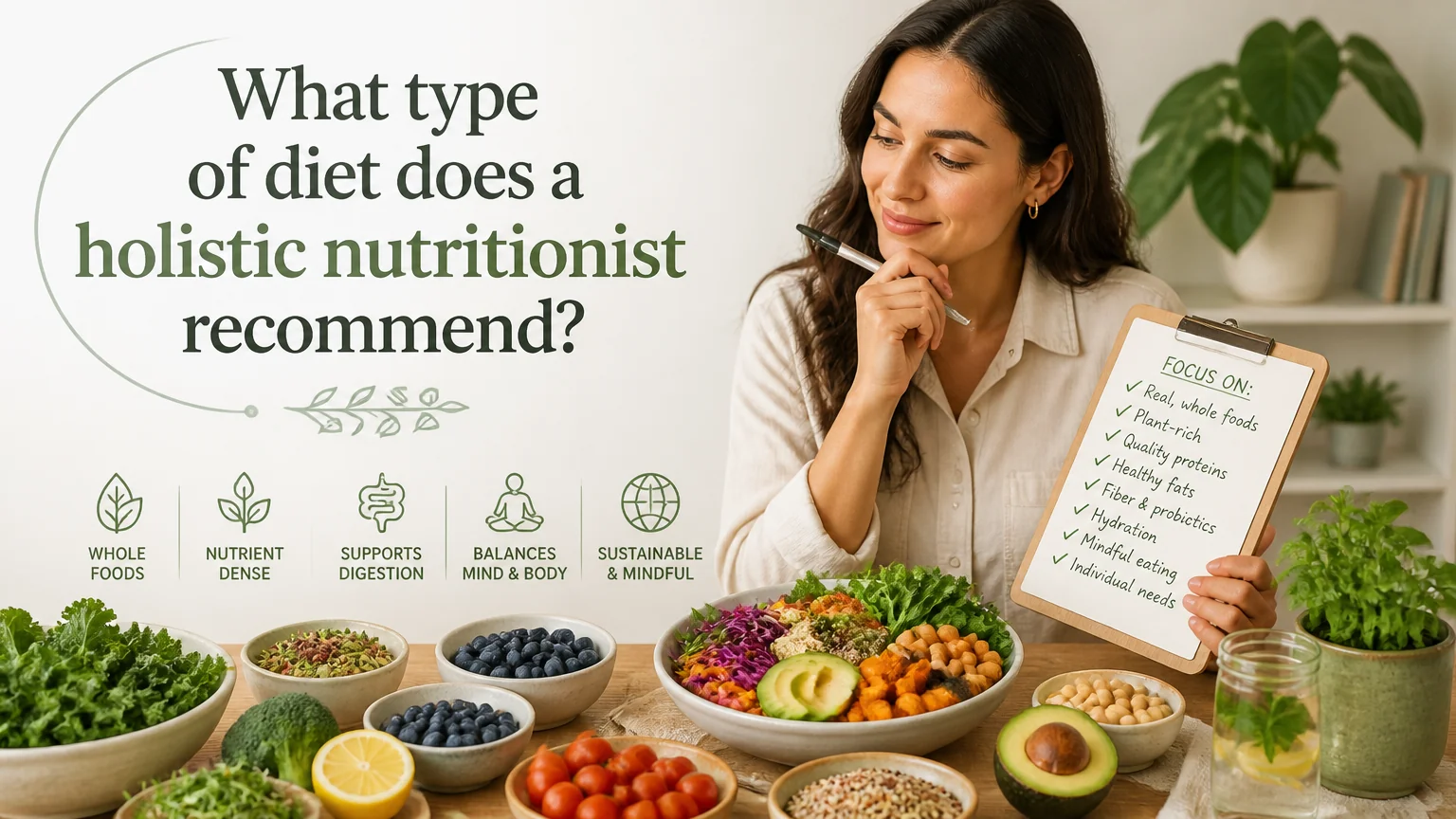
Holistic nutrition goes beyond simply counting calories and following fad diets. It is about adopting a comprehensive vision of health, considering how food impacts every aspect of your being.
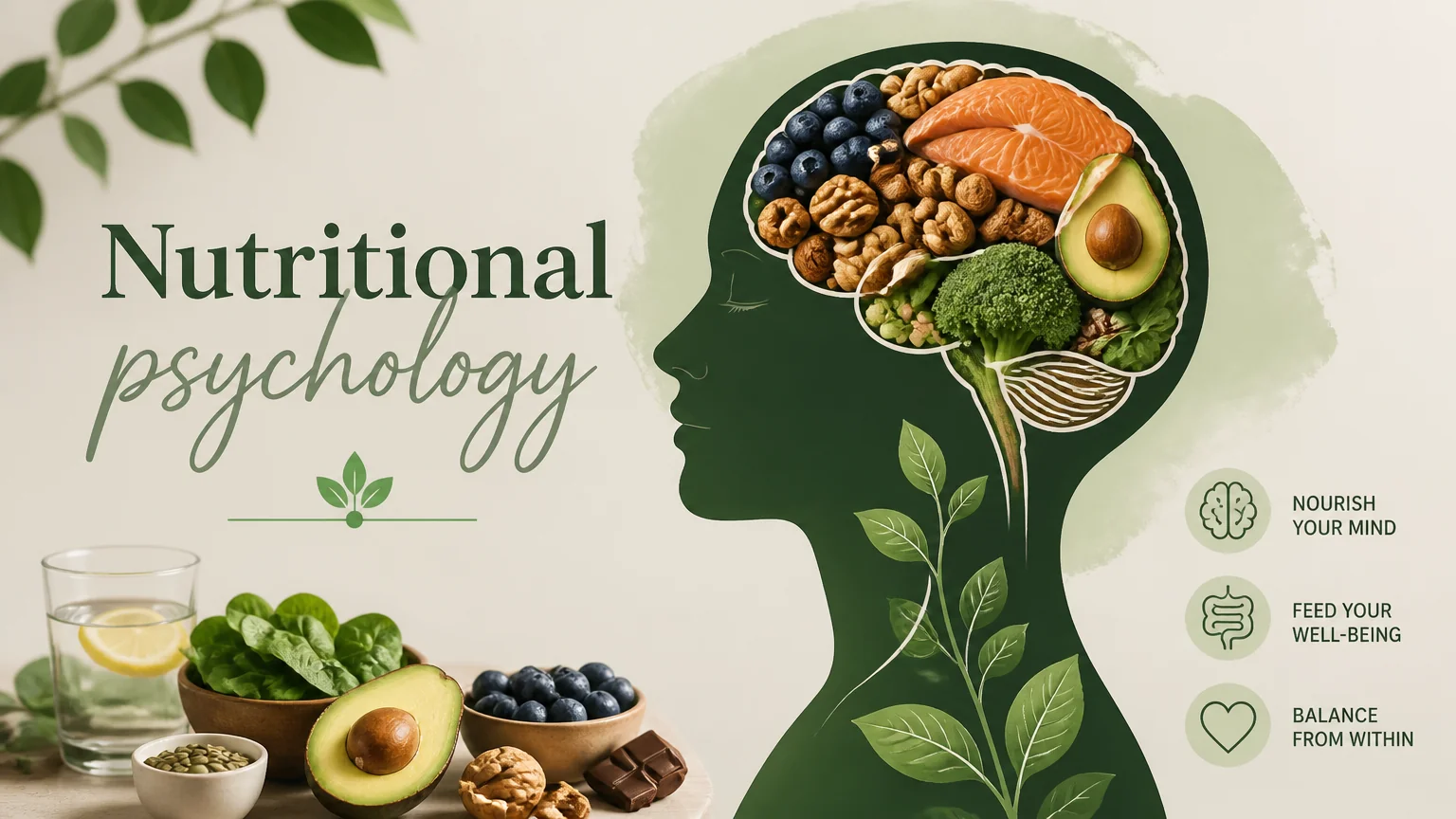
Imagine your body is like an orchestra. Every organ, every cell, is a different musician, and nutrition is the conductor. Holistic nutrition ensures that all the musicians are playing in harmony. It doesn't just focus on what you eat, but also on how you eat it, how you feel about it, and how it impacts your emotional and spiritual well-being. Interesting, right?
In recent years, online courses have exploded in popularity. And for good reason.
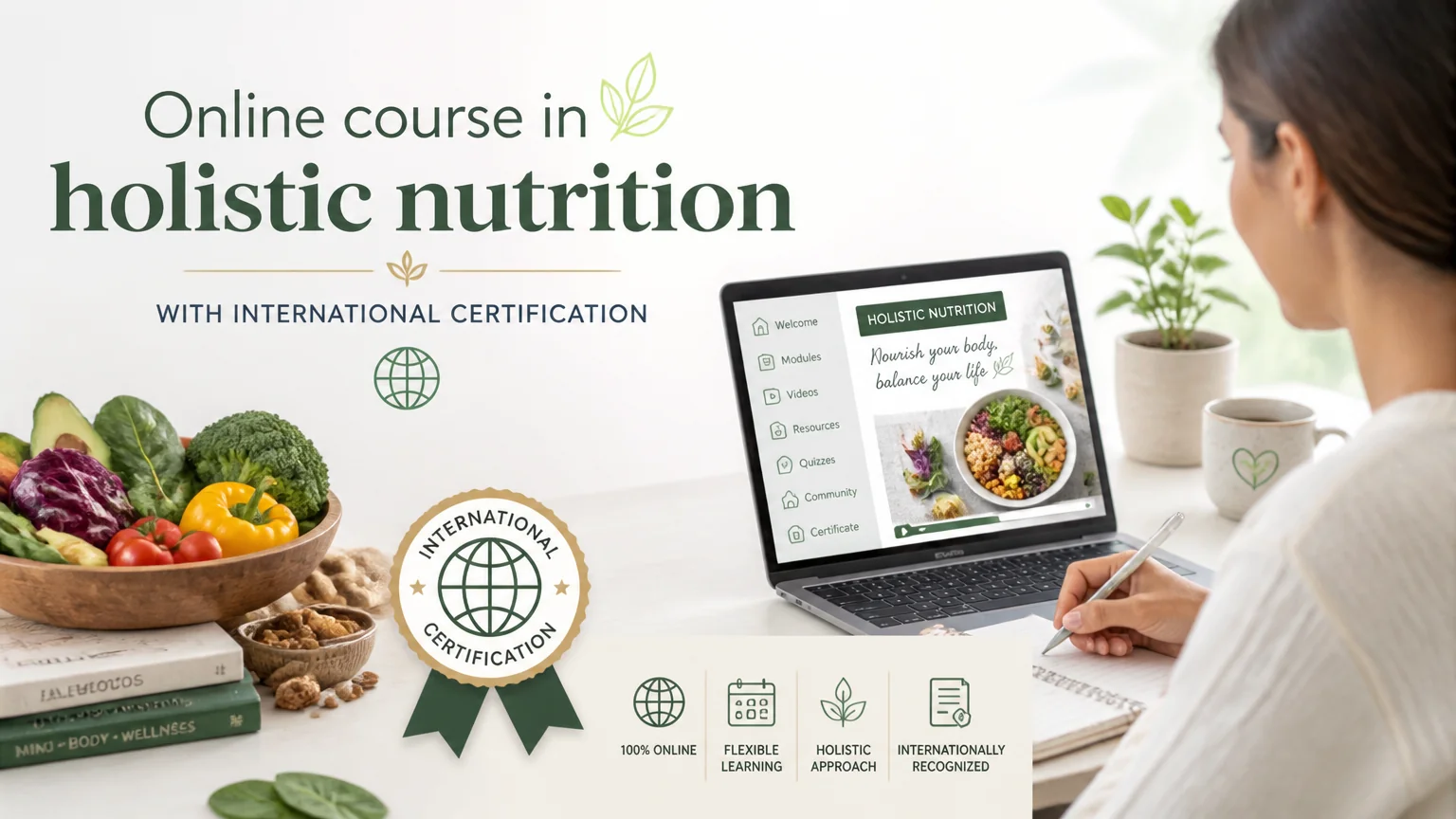
Who has time to attend in-person classes every day? Online courses offer the flexibility to study at your own pace, from the comfort of your home. Furthermore, they are often more economically accessible than traditional programs. It's like having a private tutor available 24 hours a day, 7 days a week.
A good online holistic nutrition course should cover a wide range of topics, from the fundamentals of nutrition to alternative therapies and coaching techniques. You will learn about:
This is where things get a bit more complicated. The legality of practicing as a holistic nutritionist varies depending on the country and, sometimes, even the region.
In some countries, like Spain, the nutritionist profession is regulated and requires an official university degree. In other Latin American countries, regulations are less strict, but it is important to research local laws before you start practicing. We don't want to get into legal trouble!
Not all online courses are the same. Some offer certifications recognized by professional organizations, while others are not worth the paper they are printed on (if they are even printed at all).
Before enrolling in a course, thoroughly research its accreditation. Is it backed by a respected organization? Does it offer a certification that allows you to legally practice in your country? Look for reviews from other students and verify the instructor's reputation.
Beyond certification, you need to develop a series of skills to succeed as a holistic nutritionist.
Knowing how to listen is essential. Your clients need to feel understood and supported. Learn to ask powerful questions, connect with them on an emotional level, and motivate them to achieve their goals.
There is no single diet that works for everyone. Every person is different and has unique needs. Learn to design personalized nutritional plans that take into account the clinical history, lifestyle, and preferences of your clients.
Supplements and natural remedies can be a powerful tool to support health, but it is important to use them with caution. Learn about the different available options, their benefits and risks, and how to safely integrate them into your clients' plans.
Once you have completed your course, it is time to get to work and build your practice.
What makes you unique? What is your message? Define your niche, create a professional logo and website, and start promoting yourself on social media.
Connect with other health professionals, such as doctors, therapists, and personal trainers. Attend industry events, participate in online groups, and look for collaboration opportunities.
Offer free sessions or discounts to friends and family. Ask for testimonials from your satisfied clients. Use digital marketing to reach a wider audience.
As in any profession, there are common mistakes you should avoid so as not to sabotage your success.
Be honest and realistic about what you can offer. Do not promise miracle cures or exaggerate the benefits of your services.
Pay attention to warning signs, such as abrupt changes in mood, unexplained health problems, or negative comments about your services. Address these issues proactively and seek help if necessary.
Holistic nutrition is booming and has a bright future. People are becoming increasingly aware of the importance of integral health and are looking for alternatives to traditional approaches. If you are willing to work hard, learn continuously, and maintain professional ethics, you can have a successful and rewarding career as a holistic nutritionist. So go ahead, take the leap, and pursue your dreams!
1. Do I need a university degree to be a holistic nutritionist? It depends on the country and region. In some places, yes, while in others it is not mandatory. Research local laws to ensure you comply with legal requirements.
2. How much can I earn as a holistic nutritionist? Your income will depend on your experience, location, and market niche. Some holistic nutritionists earn modest salaries, while others earn substantial incomes.
3. What type of insurance do I need to protect my practice? Consult with an attorney or insurance advisor to determine what type of insurance is appropriate for your practice. You may need professional liability insurance and general liability insurance.
4. How can I stay updated in the field of holistic nutrition? Attend conferences, read specialized journals, participate in online groups, and take continuing education courses. The field of nutrition is constantly evolving, so it is important to keep up with the latest discoveries and research.
5. What is the difference between a holistic nutritionist and a registered dietitian? A registered dietitian holds an official university degree and is qualified to treat specific diseases. A holistic nutritionist adopts a broader approach to health and focuses on prevention and general well-being.
Search
Popular searches