For Onlinecourses55
|
2025-12-29
For Onlinecourses55
|
2025-12-29

Essential nutrients - nutrition holistic
If you're curious about essential nutrients and their pivotal role in your health, a holistic nutrition course can offer deep insights. This educational experience will help you understand how to balance your dietary intake effectively for overall wellness.Discover the essentials of holistic nutrition and enrich your dietary choices.
Essential nutrients are those that our body cannot produce on its own, or not in sufficient quantities to function correctly. Therefore, we have to get them from the foods we eat! Think of them as the fundamental building blocks for constructing a house. Without them, the structure weakens and eventually collapses. These nutrients are divided into two major categories: macronutrients and micronutrients.
Macronutrients are the heavyweights of nutrition. We need relatively large quantities of these nutrients for energy and maintaining our bodily functions. Here are the three main ones: carbohydrates, proteins, and fats.
Carbohydrates are our body's main source of energy. They're like the gas for your car! They break down into glucose, which is used by our cells for energy. But not all carbohydrates are created equal. Opt for complex carbohydrates like whole grains, fruits, and vegetables, which provide sustained energy and also fiber, instead of simple carbohydrates like refined sugars, which can cause blood sugar spikes and leave us feeling tired and hungry shortly after. A tip? Choose whole-wheat bread over white bread—your body will thank you!
Proteins are the building blocks of our muscles, bones, skin, and other tissues. They are like the bricks and cement of our house! They are also essential for producing enzymes, hormones, and antibodies. Proteins are made up of amino acids, and some of these amino acids are essential, meaning we must get them from our diet. Good sources of protein include meat, fish, eggs, legumes, nuts, and seeds. Feeling tired and low on energy? Make sure you consume enough protein!
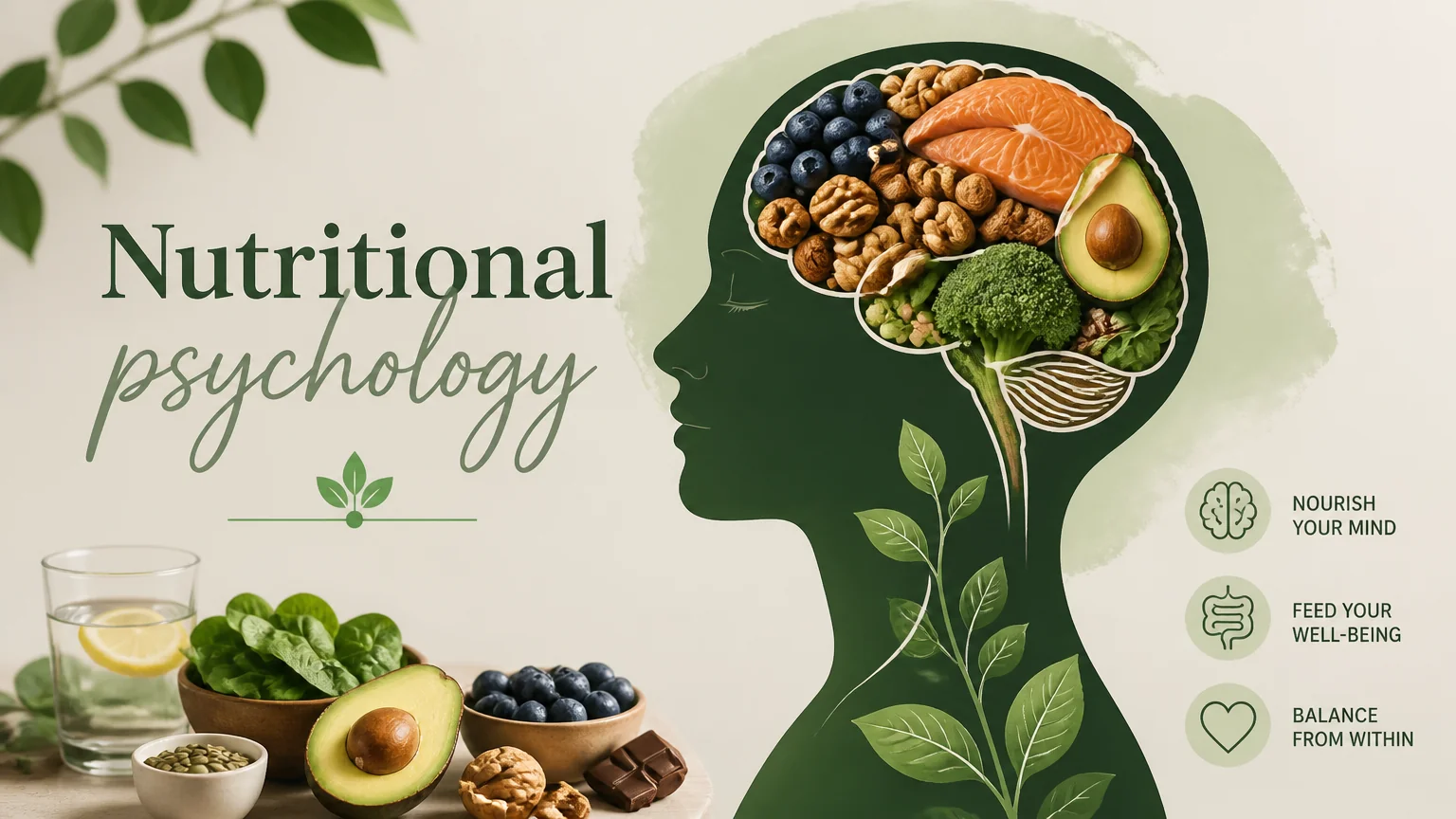
Don't be afraid of fats! Fats are essential for hormonal health, vitamin absorption, and protecting our organs. They also provide a concentrated source of energy. But, just like with carbohydrates, some fats are better than others. Opt for healthy fats found in avocados, nuts, seeds, olive oil, and fatty fish. Avoid saturated and trans fats, which can increase the risk of heart disease. Did you know the brain is mostly composed of fat? So, healthy fats are crucial for cognitive function!
Micronutrients are necessary in smaller quantities than macronutrients, but they are equally important for health. They include vitamins and minerals. Think of them as the tools you need to keep your house in perfect working order.
Vitamins are essential for a variety of bodily functions, including metabolism, immunity, and skin health. There are 13 essential vitamins, each with its own unique role. For example, Vitamin C is an antioxidant that helps protect our cells from damage, while Vitamin D is essential for calcium absorption and bone health. Do you catch colds often? Make sure you consume enough Vitamin C!
Minerals are essential for the structure and function of our bones, teeth, and other tissues. They also play an important role in regulating fluid balance, nerve function, and muscle contraction. Some essential minerals include calcium, iron, potassium, and zinc. Do you have muscle cramps? It could be a sign of potassium deficiency!
Now that you know what essential nutrients are, it is important to understand why it is so crucial to get them from a balanced diet. A balanced diet is one that includes a variety of foods from all food groups, in the appropriate quantities. It is like having a full orchestra instead of just one instrument.
Variety is key to ensuring you get all the nutrients you need. Each food offers a different nutritional profile, so it's important to eat a wide range of fruits, vegetables, whole grains, proteins, and healthy fats. Are you bored of eating the same thing all the time? Try incorporating new foods into your diet!
Pay attention to your body's signals. Do you often feel tired, weak, or irritable? Do you have trouble concentrating? Do you catch colds frequently? These could be signs of nutrient deficiency. A blood test can help determine if you have specific deficiencies. Don't ignore your body's signals!
Incorporating enough essential nutrients into your diet doesn't have to be complicated. Here are some practical tips:
Planning your meals ahead of time can help ensure you are getting all the nutrients you need. Dedicate time each week to plan your meals and make a grocery list. Don't know where to start? Search for healthy recipes online!
In some cases, supplements may be necessary to cover nutrient deficiencies. However, it is important to talk to your doctor or a nutritionist before taking any supplements. Supplements should not replace a healthy diet. Consult a professional before making any decisions!
There are many myths about essential nutrients. Here we debunk some of the most common ones:
In summary, essential nutrients are crucial for our health and well-being. By ensuring we get enough macronutrients and micronutrients through a balanced diet, we can improve our energy, immune function, and overall health. Invest in your health through nutrition! It is one of the best investments you can make. What are you waiting for? Start nourishing your body today!