For Onlinecourses55
|
2025-12-08
For Onlinecourses55
|
2025-12-08
Phytotherapy - nutrition holistic
Uncover the ancient wisdom of plants in wellness and consider an informative course on holistic nutrition that ties traditional practices to modern health.
Hello everyone! Have you ever wondered how our ancestors healed before pharmacies existed? The answer is simple: plants! Phytotherapy, in essence, is the art and science of using medicinal plants to prevent and treat diseases. It's not just a passing fad; it is an ancient practice that is alive and kicking. It's like reconnecting with the ancestral wisdom of nature for our well-being.
Imagine ancient civilizations, from the Egyptians to the Greeks and the Chinese, all relying on plants to alleviate their ailments. Egyptian papyri, for example, detail the use of herbs like garlic and onion for various ailments. Hippocrates, the father of medicine, also advocated for the use of herbs in his treatments. Phytotherapy has deep roots and a rich history that extends throughout the world. It is a testament to human ingenuity and our innate connection to the natural world.
Today, phytotherapy is not just a thing of the past. It has resurged strongly, driven by a growing interest in natural health and holistic well-being. More and more people are looking for alternatives to conventional medicines, and phytotherapy offers a gentle yet effective option. It is not about rejecting modern medicine, but about complementing it with the healing power of plants.
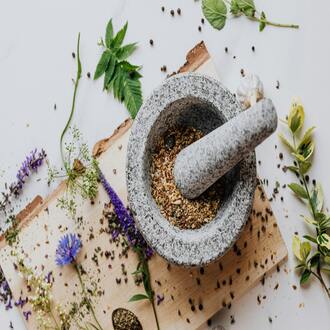
Medicinal plants are like small natural pharmacies, full of bioactive compounds that can have positive effects on our health. These compounds, such as flavonoids, terpenes, and alkaloids, act synergistically to promote healing and well-being. It is like an orchestra where each instrument (each compound) contributes to a harmonious melody (the therapeutic effect).
But beware, not everything goes. Dosage is key in phytotherapy. It is not about randomly taking any herb and expecting a miracle. Each plant has its own recommended doses, and it is important to respect them to avoid unwanted side effects. It is like cooking: you need just the right amount of each ingredient for the dish to be perfect.
Do you want to boost your defenses? Phytotherapy can be your ally. Some plants, such as echinacea and elderberry, are known for their immunomodulatory properties, which help strengthen the immune system and fight infections. It is like giving your defense cells a superpower.
If you suffer from digestive problems such as bloating, gas, or constipation, phytotherapy can offer you relief. Plants like chamomile, mint, and ginger have anti-inflammatory and digestive properties that can help you feel better. It is like a balm for your stomach.
Phytotherapy benefits not only the body but also the mind. Plants such as lavender, valerian, and St. John's wort are known for their relaxing and antidepressant properties, which can help reduce stress, anxiety, and depression. It is like a warm hug for your soul.
Who hasn't had a cup of chamomile to calm the nerves or relieve a stomach ache? Chamomile is one of the most popular and versatile medicinal plants. Its anti-inflammatory, antispasmodic, and sedative properties make it an effective remedy for a wide range of ailments. It is like a faithful friend who is always there to help you relax.
If you suffer from nausea, whether due to travel, pregnancy, or medical treatment, ginger can be your salvation. This spicy root has antiemetic properties that can help relieve nausea and vomiting. It is like a protective shield against discomfort.
Do you want to avoid colds and flu? Echinacea can be your best ally. This plant native to North America is known for its immunomodulatory properties, which help strengthen the immune system and fight infections. It is like intensive training for your defenses.
Before starting to take any medicinal plant, it is important to consult with a qualified health professional, such as a naturopathic doctor, herbalist, or pharmacist specialized in phytotherapy. They can assess your health status, recommend the most suitable plants for you, and supervise your treatment. It is like having an expert guide on your journey toward natural health.
Once you have the professional's approval, you can start preparing your own homemade remedies with medicinal plants. You can make infusions, decoctions, tinctures, essential oils, and creams. There are many recipes available in books and online, but be sure to follow the instructions precisely. It is like becoming your own health alchemist.
It is important to note that some medicinal plants can interact with conventional medications, enhancing or decreasing their effects. For example, St. John's wort can interfere with some antidepressants and contraceptives. That is why it is crucial to inform your doctor about any plant you are taking. It is like avoiding a train crash between different treatments.
As with any substance, some people may be allergic or sensitive to certain medicinal plants. If you experience symptoms such as skin rashes, itching, swelling, or difficulty breathing after taking a plant, stop using it immediately and seek medical attention. It is like listening to your body's warning signals.
Phytotherapy is constantly evolving, thanks to scientific research that seeks to validate its benefits and understand its mechanisms of action. New bioactive compounds in plants are constantly being discovered, and new therapeutic applications are being developed. It is like exploring unknown territory full of healing treasures.
The future of phytotherapy involves its integration with conventional medicine. More and more doctors are recognizing the value of medicinal plants as a complement to traditional treatments. It is like joining forces to offer patients more complete and personalized care.
It is fundamental to remember that the indiscriminate harvesting of medicinal plants can endanger their survival and that of the ecosystems where they grow. Therefore, it is important to opt for sustainably cultivated plants or those harvested responsibly. It is like protecting our planet for future generations.
Phytotherapy is a natural path toward health and well-being that has been used for centuries. It is not a panacea, but it can be a powerful tool for preventing and treating diseases, relieving symptoms, and improving the quality of life. However, always proceed with caution, information, and the advice of a qualified professional. So, dare to explore the world of medicinal plants and discover their benefits!