For Onlinecourses55
|
2026-04-09
For Onlinecourses55
|
2026-04-09

Nutrient-rich vegan foods - nutrition vegetarian
If you're curious about the benefits of adopting a vegan lifestyle, a well-rounded online course in healthy vegetarian practices can provide you with the essential knowledge you need.
Hello to all conscious eating lovers! Have you ever wondered if a vegan diet can truly be nutritious? The answer is a resounding YES. People often have the misconception that a diet without animal products is deficient in certain nutrients. But, with the right information and adequate planning, a vegan diet can be exceptionally rich in essential nutrients, offering a wide range of health benefits. In fact, it can be one of the healthiest ways to eat—if you do it right!
Beyond ethical and environmental considerations, a well-planned vegan diet can offer you robust health. Did you know it can help reduce the risk of heart disease, type 2 diabetes, and certain types of cancer? Furthermore, being based on whole foods and vegetables, it is naturally rich in fiber, vitamins, minerals, and antioxidants. A true feast for your body!
This is where we get into important territory. The key to a successful vegan diet is variety and planning. It's not just about eliminating animal products, but replacing them with nutritious alternatives. Yes, there are some nutrients that require special attention, such as vitamin B12, but with supplements or fortified foods, this problem is easily solved! The rest, such as protein, iron, calcium, and omega-3, can be obtained from plant sources with a little knowledge and creativity.
Now, let's get to the point. Which vegan foods should you include in your diet to ensure complete nutritional intake? Here is my top 10:
Legumes are true nutritional gems. They are rich in protein, fiber, iron, and a large number of vitamins and minerals. They are the foundation of a healthy and balanced vegan diet!
Lentils are easy to cook, versatile, and packed with nutrients. They are an excellent source of iron, making them an indispensable food for preventing anemia in vegans. Lentil soup on a cold day? A hug for your body!
Chickpeas are incredibly versatile. You can make hummus, falafel, add them to salads, stews... The possibilities are endless! In addition to protein and fiber, they are rich in folate and manganese.
Green leafy vegetables are an inexhaustible source of vitamins, minerals, and antioxidants. They are essential for optimal health and a strong immune system!
Spinach is rich in iron, calcium, vitamin K, and vitamin A. You can eat it raw in salads, steamed, or added to smoothies. A true natural multi-vitamin!
Kale, also known as curly cabbage, is one of the most nutritious vegetables on the planet. It is rich in vitamins A, C, and K, as well as calcium and antioxidants. Dare to incorporate it into your dishes!
Nuts and seeds are an excellent source of healthy fats, protein, fiber, and minerals. They are the perfect snack to keep you satiated and energized!
Almonds are rich in vitamin E, magnesium, and monounsaturated fats, beneficial for cardiovascular health. Carry a handful of almonds with you for snacking between meals.
Chia seeds are an excellent source of omega-3, fiber, and antioxidants. You can add them to smoothies, yogurts, salads, or use them to make chia pudding. A small nutritional treasure!
Whole grains are an important source of complex carbohydrates, fiber, vitamins, and minerals. They are the foundation of an energetic and balanced diet!
Quinoa is a complete pseudocereal, meaning it contains all essential amino acids. It is rich in protein, fiber, iron, and magnesium. An excellent option to replace white rice!
Brown rice is a source of complex carbohydrates, fiber, and manganese. Unlike white rice, it retains the bran and germ, making it a much more nutritious option.
Okay, you already know the star foods. But how do you incorporate them into your daily life? Here are some ideas!
Although a well-planned vegan diet can provide most necessary nutrients, there are some that require special attention.
Vitamin B12 is not found naturally in plant foods. Therefore, it is essential that vegans take a vitamin B12 supplement or consume foods fortified with this vitamin.
Vitamin D is produced in the skin when exposed to sunlight. However, many people do not get enough vitamin D from the sun, especially during the winter months. In these cases, it may be necessary to take a vitamin D supplement.
The main sources of omega-3 are fatty fish. However, vegans can obtain omega-3 from plant sources such as flaxseeds, chia seeds, and walnuts. There are also vegan omega-3 supplements derived from algae.
As you have seen, a vegan diet can be incredibly nutritious and delicious. It is not just about giving up certain foods, but about discovering a world of new culinary possibilities and health benefits. With a little planning and knowledge, you can enjoy a balanced, sustainable, and energy-filled vegan diet. Dare to explore the power of plant-based eating!
Q1: Is it difficult to get enough protein on a vegan diet?
Not at all. Legumes, nuts, seeds, whole grains, and some vegetables are excellent sources of protein.
Q2: What should I eat to get enough iron as a vegan?
Lentils, spinach, tofu, and fortified foods are good sources of iron. Combine these foods with vitamin C to improve iron absorption.
Q3: Do I need to take a vitamin B12 supplement if I am vegan?
Yes, it is highly recommended. Vitamin B12 is not found naturally in plant foods, so supplementation or the consumption of fortified foods is essential.
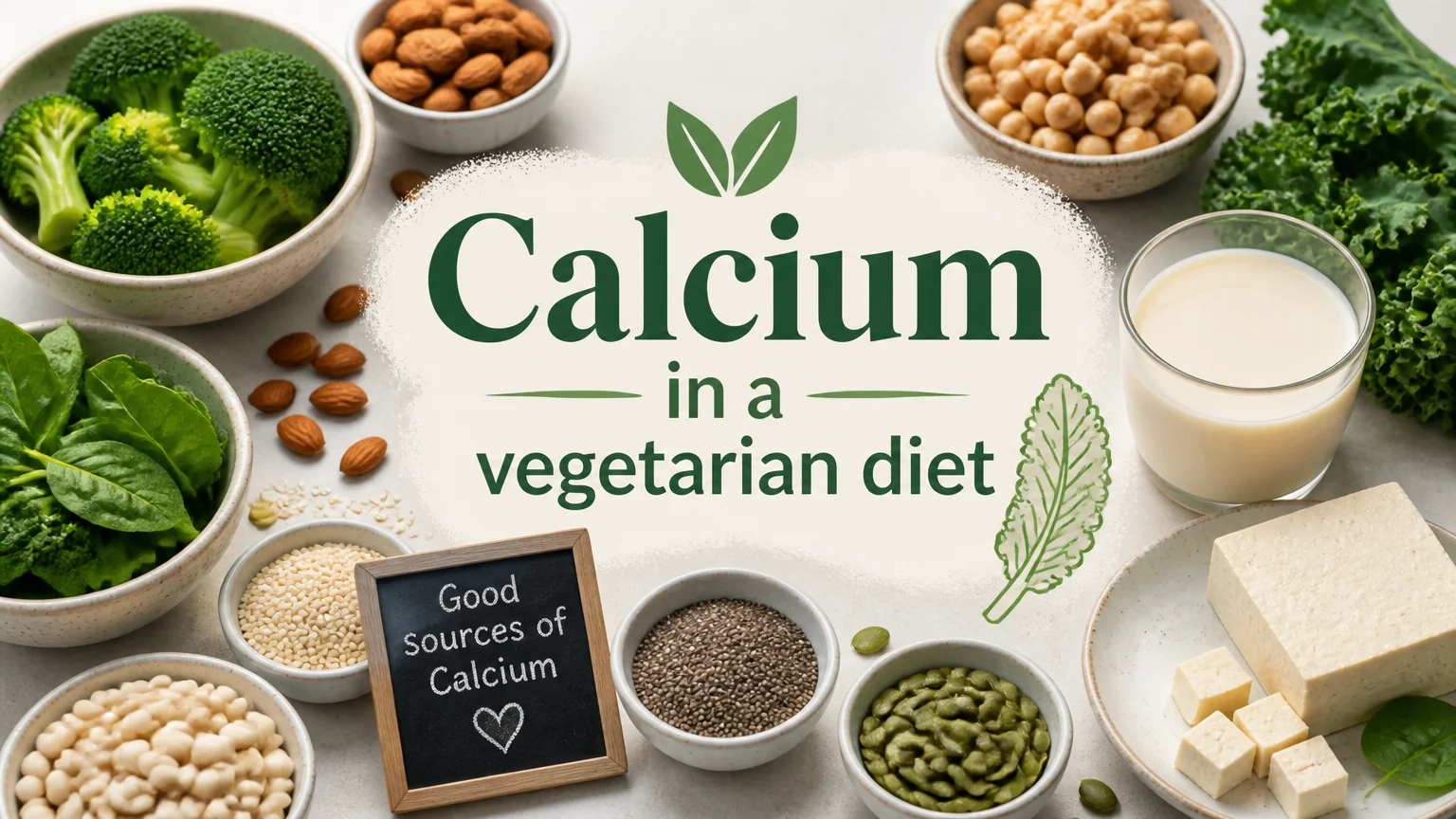
Q4: Can I get enough calcium from a vegan diet?
Yes, green leafy vegetables, fortified tofu, almonds, and sesame seeds are good sources of calcium.
Q5: Is the vegan diet suitable for all stages of life?
Yes, a well-planned vegan diet can be suitable for all stages of life, including infancy, adolescence, pregnancy, and lactation. However, it is important to consult with a health professional to ensure all nutritional needs are being met.