For Onlinecourses55
|
2026-05-21
For Onlinecourses55
|
2026-05-21

What are the differences between vegetarian and vegan? - nutrition vegetarian
As you explore the differences between vegetarian and vegan lifestyles, enhance your knowledge with a thorough course that clarifies dietary distinctions and offers practical insights.
Hello everyone! Have you ever wondered what the difference is between being vegetarian and being vegan? At first glance, it might seem like both are limited to eating salads and vegetables, but there’s much more to it than that! In this article, we are going to unravel the key differences between these two lifestyles, exploring their motivations, dietary restrictions, and the impact they have on the world around us. Get ready for a fascinating journey through conscious eating.
Vegetarianism is like a club with different levels of membership. Not all vegetarians are the same, and there are several subcategories depending on the foods they choose to include or exclude from their diet. Let's explore the most common ones:
These vegetarians certainly enjoy eggs. They eliminate meat, fish, and dairy products from their diet but incorporate eggs as a source of protein and essential nutrients. Can you imagine a delicious omelet or a fluffy cake? Ovo-vegetarians can!
Lacto-vegetarians, as their name suggests, consume dairy products such as milk, cheese, and yogurt. They exclude meat, fish, and eggs from their diet. A cold glass of milk with cookies or a nice piece of artisanal cheese are some of their culinary pleasures.
This is the most common form of vegetarianism. Ovo-lacto-vegetarians consume both eggs and dairy products but avoid meat and fish. Their diet is usually quite balanced and varied, allowing them to enjoy a wide range of delicious and nutritious dishes.
Veganism goes one step beyond vegetarianism. It is not just about what you eat, but how you live. Vegans avoid all types of animal products, not only in their diet, but also in their clothing, cosmetics, and other aspects of their lives.
The main motivation for veganism is ethics. Vegans believe that animals have the right to live free from exploitation and suffering. Therefore, they avoid any product that involves the use or mistreatment of animals, whether for food, clothing, or entertainment.
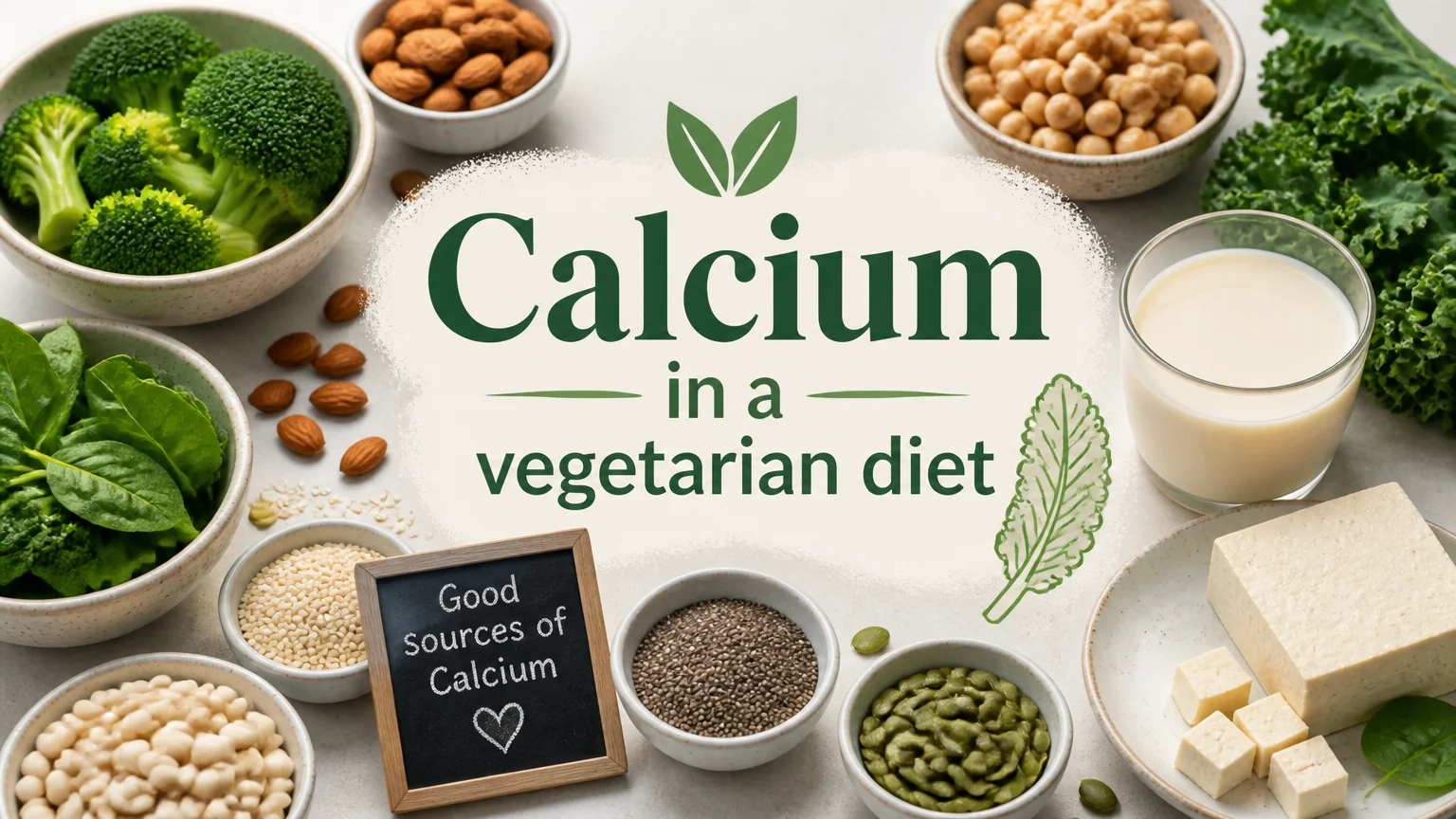
A well-planned vegan diet can offer numerous health benefits, such as reducing the risk of heart disease, type 2 diabetes, and some types of cancer. However, it is important to ensure that all necessary nutrients, such as vitamin B12, iron, and calcium, are obtained through supplements or fortified foods.
Now that we have a general idea of what being vegetarian and vegan entails, let's delve deeper into the key differences between these two lifestyles.
The most obvious difference between vegetarians and vegans lies in the foods they consume. Vegetarians, depending on their type, may consume eggs and dairy products, while vegans avoid all animal products. This means vegans do not eat meat, fish, eggs, dairy, honey, or any other animal-derived product. Can you imagine giving up cheese? For a vegan, it's part of the commitment!
Veganism is not limited to diet. It is a lifestyle that seeks to avoid animal exploitation in all aspects. Vegans do not wear leather or fur clothing, avoid cosmetics tested on animals, and do not attend shows that use animals, such as circuses or zoos. Vegetarianism, on the other hand, generally focuses more on diet and does not necessarily imply such a broad commitment to animal welfare.
Ethics is the heart of the decision to be vegan. While many vegetarians may have ethical considerations about animal welfare, the main motivation for veganism is the belief that animals have the right to live free from exploitation and suffering. This deep ethical conviction is what drives vegans to adopt a lifestyle completely free of animal products.
The choice between being vegetarian or vegan is personal and depends on your values, beliefs, and lifestyle. There is no right or wrong answer. The important thing is to be informed, reflect on your motivations, and make a conscious decision that makes you feel good about yourself and the world around you. Are you ready to take the first step towards more conscious eating?
In summary, both vegetarianism and veganism are lifestyles that seek to reduce the consumption of animal products, but veganism goes one step further by avoiding all forms of animal exploitation. The choice between one and the other is personal and depends on your values and motivations. The important thing is to be informed, reflect, and make a conscious decision that allows you to live according to your principles. Go ahead and explore the world of conscious eating and discover the path that best suits you!
Is it difficult to be vegan? It depends on your habits and how willing you are to change your lifestyle. Initially, it can be a challenge to learn how to identify animal ingredients in foods and find vegan alternatives. However, over time it becomes easier, and many resources are available to help you, such as vegan cookbooks, blogs, and support groups.
Is it more expensive to be vegan or vegetarian? Not necessarily. While some specialized vegan products can be more expensive, a vegan diet based on whole foods such as fruits, vegetables, legumes, and grains can be very economical. In fact, it is often cheaper than a diet that includes meat and dairy products.
Do I need to take supplements if I am vegan? It is recommended to take a vitamin B12 supplement, as this vitamin is primarily found in animal products. It is also important to ensure you get enough iron, calcium, and omega-3, either through fortified foods or supplements.
Can I exercise and be vegan? Of course! Many high-performance athletes are vegan. A well-planned vegan diet can provide all the necessary nutrients for sports performance, including proteins, carbohydrates, and healthy fats.
Where can I find vegan or vegetarian recipes? There are a large number of resources available online and in bookstores. You can find vegan and vegetarian recipes on blogs, specialized websites, cookbooks, and mobile applications. Explore and experiment to discover your favorite dishes!