For Onlinecourses55
|
2026-02-19
For Onlinecourses55
|
2026-02-19

What regulations exist on vegetarian and vegan nutrition? - nutrition vegetarian
To grasp the regulations governing vegetarian and vegan nutrition, engaging in a focused course on dietary standards will provide you with valuable insights.
Hello everyone! Today we are going to dive into a super interesting and increasingly relevant topic: the regulations that exist concerning vegetarian and vegan nutrition. Have you ever wondered what rules govern those products you see in the supermarket labeled "vegan" or "vegetarian"? Well, get ready because we are going to unravel all of this together.
In recent years, we have seen a spectacular increase in the number of people adopting vegetarian and vegan diets. Why? Well, the reasons are varied: from ethical concerns about animal welfare, through health reasons (many studies point to the benefits of these diets for the prevention of cardiovascular diseases, type 2 diabetes, and even some types of cancer), to the growing awareness of the environmental impact of meat production. The truth is that there is something for everyone.
With this boom, a fundamental question arises: how do we protect consumers? How do we ensure that products labeled "vegan" or "vegetarian" truly meet those characteristics? That is where regulations come into play. Imagine buying a "vegan" product that actually contains ingredients of animal origin... a disaster! Therefore, regulation is crucial for providing transparency and confidence to consumers.
Before diving fully into the specific regulations for vegetarian and vegan products, it is important to understand that there are general rules that apply to all foods, regardless of their origin.
The jewel in the crown in this area is Regulation (EU) No 1169/2011 on the provision of food information to consumers. What does this mean in practice? Well, all foods sold in the European Union must carry clear and detailed information about their ingredients, nutritional values, allergens, etc. This is essential so that consumers can make informed decisions about what they eat.
In Spain, the Spanish Agency for Food Safety and Nutrition (AESAN) is responsible for ensuring compliance with these rules. AESAN ensures that the food that reaches our plates is safe and meets labeling requirements. Furthermore, it carries out inspections and controls to detect possible fraud or irregularities. Thank you, AESAN, for taking care of us!
This is where things get interesting. Despite the growing interest in these diets, the reality is that there is no unified legal regulation at the European or Spanish level that precisely defines what is meant by "vegetarian" or "vegan." Are you surprised? Me too.
This lack of legal definition generates confusion and opens the door to diverse interpretations. For example, some products may be labeled "vegetarian" even if they contain animal-derived ingredients, such as eggs or milk. This can be misleading for consumers who seek to avoid these products.
The "vagueness" in labels is a real problem. Often, manufacturers use terms like "suitable for vegetarians" or "plant-based" without specifying exactly what ingredients the product contains. This makes it difficult for consumers who want to ensure they are purchasing products that genuinely meet their expectations.
Given the lack of public regulation, private initiatives have emerged that offer certifications for vegetarian and vegan products. Some of the best known are the V-Label and the Vegan Society seal. These certifications establish strict criteria for determining whether a product can be considered vegan or vegetarian, and offer an additional guarantee for consumers. Although not mandatory, many companies choose to obtain these certifications to increase customer confidence.
Vegetarian and vegan diets, although healthy, can present some nutritional challenges. Therefore, it is important to pay attention to certain nutrients that may be difficult to obtain through plant-based foods. This is where fortified foods and supplements come into play.
Vitamin B12 is an essential nutrient found primarily in animal-source foods. Therefore, people following a vegan diet must ensure they get enough Vitamin B12 through fortified foods (such as cereals or vegetable milk) or supplements. Vitamin B12 deficiency can have serious health consequences, such as anemia and neurological damage.
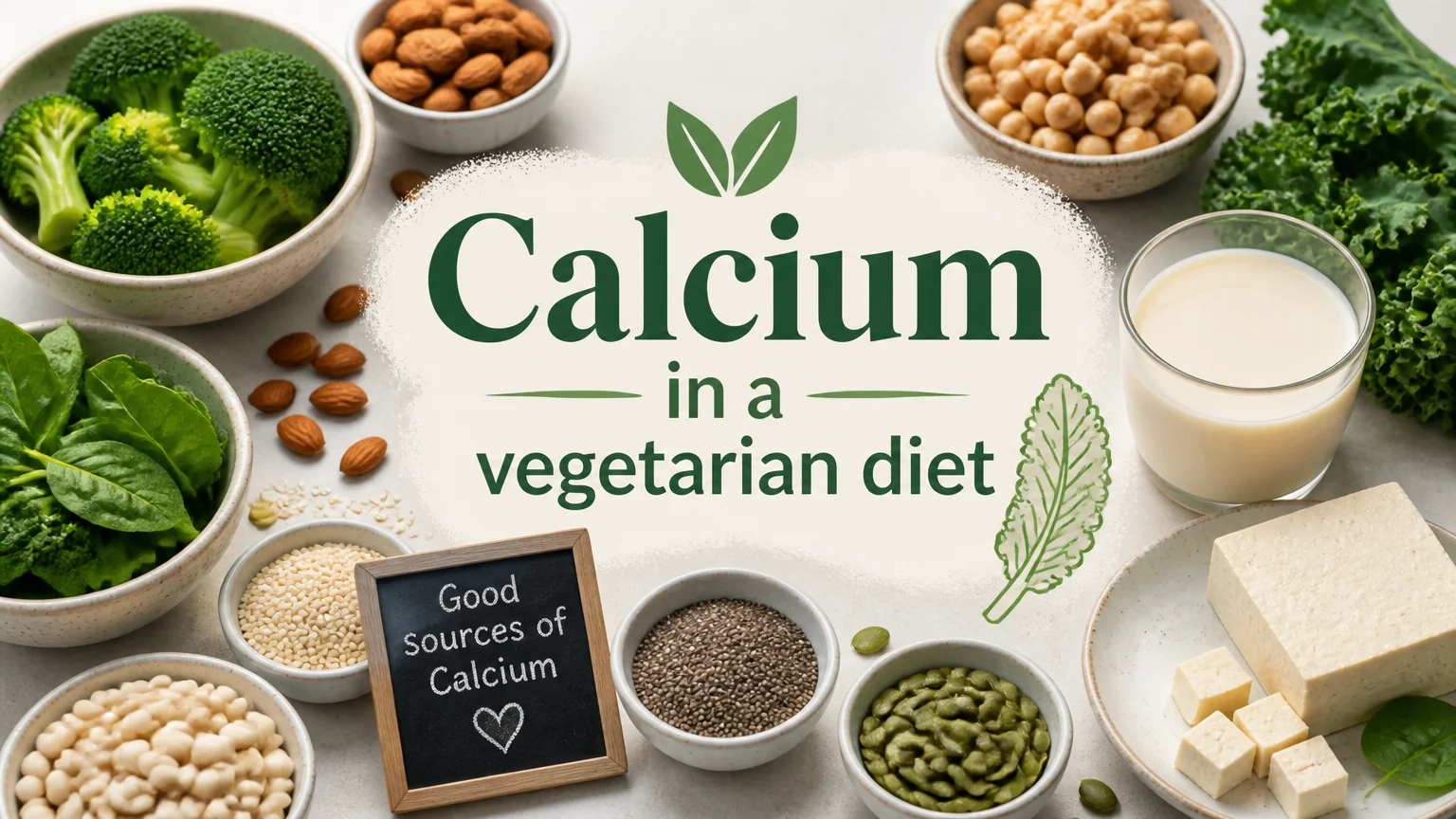
There are regulations concerning the fortification of foods with calcium, iron, and other nutrients. These regulations establish the maximum and minimum levels of nutrients that can be added to food, ensuring that these foods are safe and beneficial to health. It is important to read the labels to know which nutrients have been added to the foods we consume.
The growing demand for vegetarian and vegan options has also had an impact on the catering sector. Restaurants and catering services have an obligation to inform consumers about the ingredients they use in their dishes, especially regarding allergens.
Allergen regulations are very clear: restaurants must inform customers about the presence of common allergens, such as gluten, milk, eggs, nuts, etc. This is essential to protect people suffering from food allergies or intolerances.
In addition to informing about allergens, restaurants also have the responsibility to ensure that their vegetarian and vegan options are truly adequate and safe. This means avoiding cross-contamination with animal-source foods and using fresh, quality ingredients. A restaurant that offers a "vegan" option but cooks it on the same grill where meat has been cooked is failing its responsibility.
What does the future hold for the regulation of vegetarian and vegan nutrition? The answer is not simple, but we can identify some clear trends.
It is likely that we will see a trend toward stricter and more homogeneous regulations at the European level. The growing demand for vegetarian and vegan products, coupled with the need to protect consumers, could push legislators to establish clear legal definitions and more precise labeling criteria. Fingers crossed!
Food innovation will also play an important role in the future of regulation. Lab-grown meat, cell-based vegan dairy products, and other emerging technologies pose new challenges for regulators. How will we label these products? What safety standards will apply? These are questions that will need to be answered in the coming years.
Artificial Intelligence (AI) is revolutionizing many sectors, and food production is no exception. AI can optimize the production of vegan ingredients, predict consumer demand, and even help create more nutritious and tastier recipes. It is vital that regulation adapts to control the quality and safety of foods produced with AI.
In summary, the regulation of vegetarian and vegan nutrition is a complex and constantly evolving topic. Despite the lack of unified legal regulation, general labeling and food safety standards apply to all foods, as do private certification initiatives that offer an additional guarantee for consumers. The future of regulation will depend on food innovation and the need to protect consumers in an expanding market. Stay informed and choose wisely!