If you're a vegan athlete looking to boost your performance, gain a clearer understanding of your dietary needs through a detailed course focused on vegan sports nutrition that covers all essentials.
Introduction: Vegan Nutrition for Athletes – A Hidden Powerhouse
Hello, vegan athlete! Have you ever wondered if a vegan diet can be compatible with an athletic lifestyle? The answer is a resounding YES! In fact, more and more high-performance athletes are adopting a plant-based diet and achieving incredible results. The key is knowing the fundamentals of well-planned sports vegan nutrition. Forget the myths and get ready to discover how to boost your performance, accelerate your recovery, and feel better than ever—all powered by plants!
The Pillars of Vegan Sports Nutrition
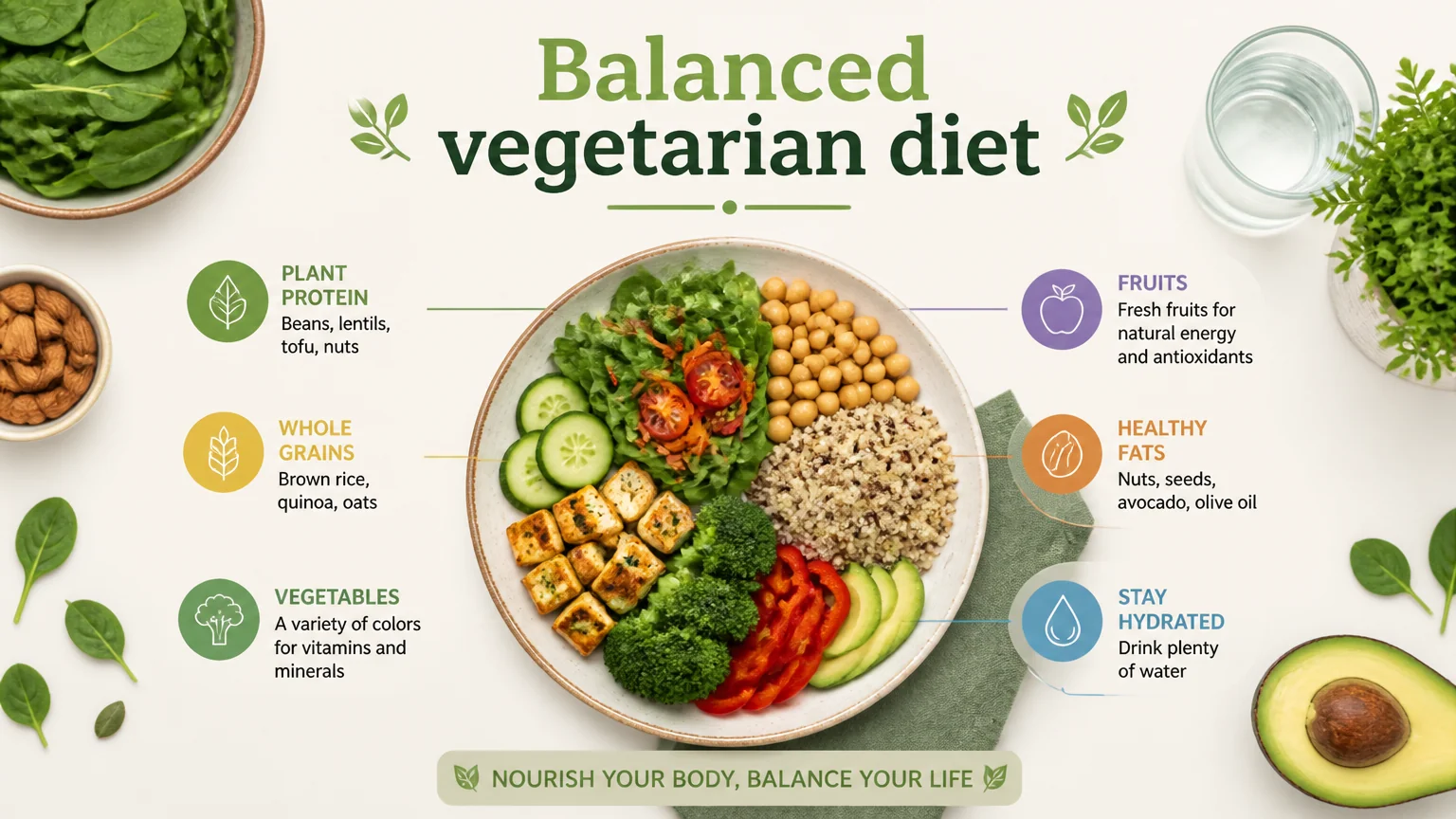
Like any athlete, you need to build your diet on solid pillars. In the case of vegan nutrition, this means paying special attention to proteins, carbohydrates, and healthy fats. Let's break down each one!
Proteins: The Fuel for Your Vegan Muscles
Proteins are essential for muscle repair and growth, especially if you are an athlete. But where do you get enough protein as a vegan? Don't worry! The plant world is full of delicious and nutritious options.
Essential Vegan Protein Sources
- Legumes: Lentils, chickpeas, beans, peas… A festival of protein and fiber!
- Tofu and Tempeh: Versatile and rich in protein, perfect for stir-fries, stews, or even grilling.
- Quinoa: A complete grain with an exceptional amino acid profile.
- Seeds and Nuts: Chia, flax, pumpkin, almonds, walnuts… A protein snack packed with healthy fats!
- Leafy Green Vegetables: Spinach, kale, broccoli… Although in smaller proportions, they contribute to your daily intake!
Amount of Protein Needed for Vegan Athletes
The amount of protein you need depends on your activity level and type of sport. Generally, vegan athletes should consume between 1.4 and 2.0 grams of protein per kilogram of body weight per day. Don't panic! Planning your meals will help you reach this goal easily.
Carbohydrates: The Energy that Drives You
Carbohydrates are your primary source of energy, especially if you are an athlete! Opting for complex, unprocessed carbohydrates will give you a constant, long-lasting boost.
Types of Carbohydrates and Their Importance
- Complex Carbohydrates: Brown rice, oats, quinoa, sweet potatoes, vegetables… Long-lasting energy for intense workouts!
- Simple Carbohydrates: Fruits, honey… Ideal for a quick energy boost before or during exercise!
Carbohydrate Planning for Before, During, and After Exercise
- Before: A bowl of oatmeal with fruit and nuts will give you the energy you need to start strong.
- During: A fruit like a banana or some dates will keep you active and focused.
- After: A vegan protein smoothie with fruits and vegetables will help you replenish energy and repair muscles.
Healthy Fats: Allies for Your Performance
Healthy fats are essential for hormone production, vitamin absorption, and muscle recovery. Don't eliminate them from your diet!
Healthy Fat Sources for Active Vegans
- Avocado: A delicious source of monounsaturated fats and fiber!
- Nuts and Seeds: Almonds, walnuts, chia, flax… A bite packed with nutrients!
- Extra Virgin Olive Oil: The king of healthy fats for dressing your dishes!
The Role of Fats in Recovery and Hormones
Healthy fats help reduce inflammation, speed up muscle recovery, and maintain optimal hormonal balance. Don't forget to include them in every meal!
Key Micronutrients for Vegan Athletes
In addition to proteins, carbohydrates, and fats, it is crucial to pay attention to certain micronutrients that can be harder to obtain on a vegan diet.
Iron: Don't Let Fatigue Stop You!
Iron is essential for oxygen transport in the blood. A deficiency can cause fatigue and decrease your performance.
- Vegan Iron Sources: Lentils, spinach, tofu, pumpkin seeds.
- Tip: Combine iron-rich foods with Vitamin C to enhance absorption.
Vitamin B12: The Vegan Nerve Boost
Vitamin B12 is crucial for nerve function and red blood cell production.
- Vegan Source: Fortified foods (plant milks, cereals) and supplements.
- Important: Don't rely solely on fortified foods! A supplement is almost always necessary.
Calcium and Vitamin D: Strong Bones for Optimal Performance
Calcium and Vitamin D are essential for bone health.
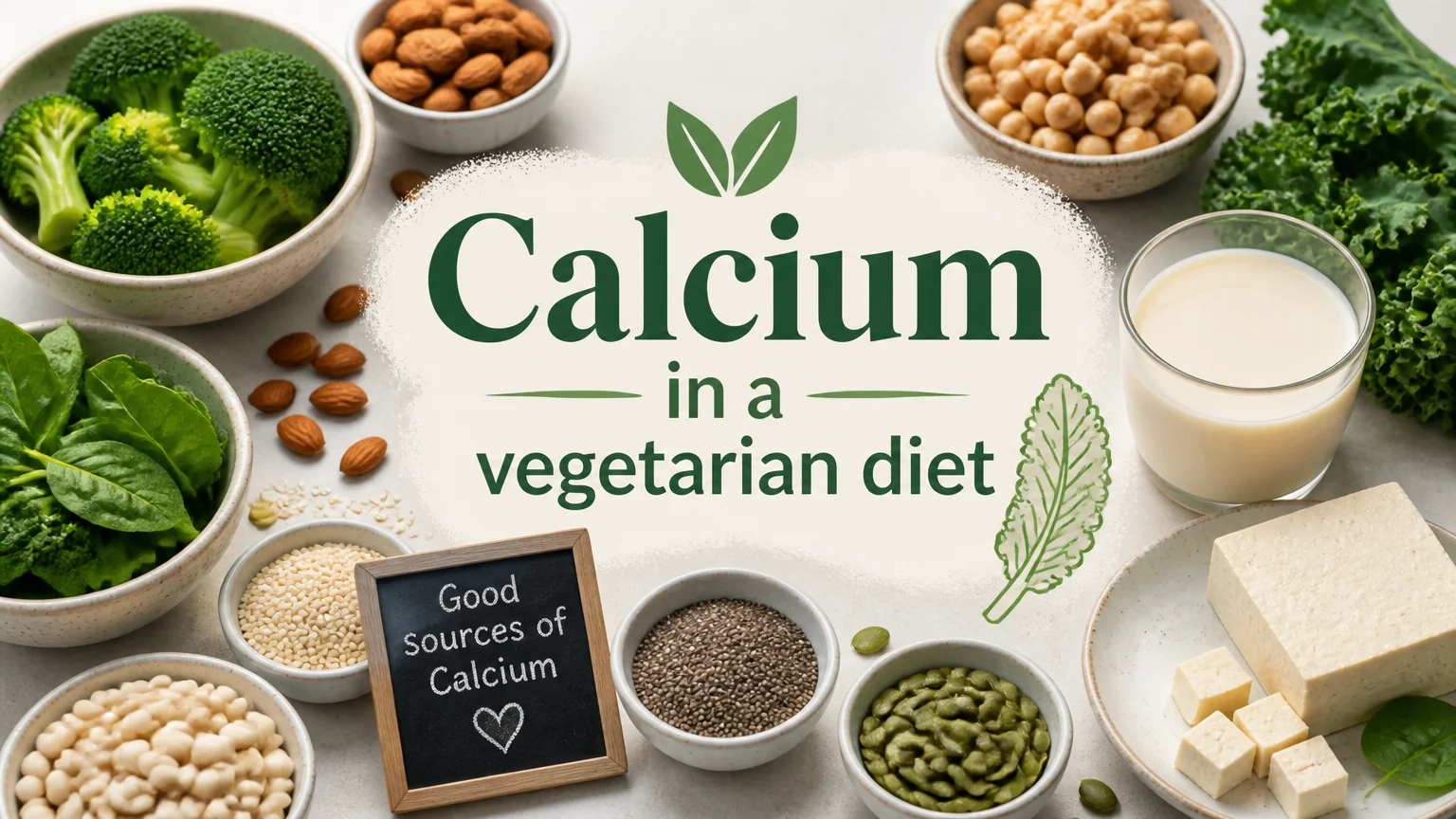
- Vegan Calcium Sources: Fortified plant milks, tofu, leafy green vegetables.
- Vitamin D: Sun exposure and supplements (especially in winter).
Omega-3: Natural Anti-inflammatory for Vegan Athletes
Omega-3s are essential fats with anti-inflammatory properties.
- Vegan Sources: Flax and chia seeds, walnuts, algae oil.
- Consider: An algae-derived DHA/EPA supplement can be beneficial.
Meal Planning for a Vegan Athlete
Planning is key to ensuring you are getting all the nutrients you need. Here is an example of a day of meals for a vegan athlete.
Example of a Day of Meals for a Vegan Athlete
Vegan Energy Breakfast
- Option: Vegan protein smoothie with banana, spinach, almond milk, and chia seeds. Another option would be a bowl of oatmeal with berries, nuts, and a drizzle of maple syrup.
Nutritious and Restorative Vegan Lunch
- Option: Quinoa salad with chickpeas, avocado, tomato, and a lemon-tahini dressing. Another alternative would be a scrambled tofu wrap with vegetables.
Vegan Dinner for Optimal Recovery
- Option: Stewed lentils with brown rice and steamed broccoli. You could also opt for a plate of whole-wheat pasta with homemade tomato sauce and vegetables.
Supplementation for Vegan Athletes: Is It Necessary?
While a well-planned vegan diet can cover most of your nutritional needs, some supplements can be beneficial for optimizing your performance.
Common Supplements for Vegan Athletes
- Vitamin B12: Essential!
- Vitamin D: Especially in winter.
- Omega-3 (DHA/EPA): To reduce inflammation.
- Iron: If your levels are low.
Creatine: Boosting Your Vegan Strength
Creatine is a supplement that can improve muscle strength and power.
- Benefits: Increases available energy for muscles during exercise.
- Dosage: 3-5 grams per day.
Beta-Alanine: Improving Your Vegan Endurance
Beta-alanine can improve endurance and delay muscle fatigue.
- Benefits: Reduces the accumulation of lactic acid in the muscles.
- Dosage: 2-5 grams per day.
Common Mistakes in Vegan Sports Nutrition and How to Avoid Them
- Not consuming enough calories: Make sure you are eating enough to cover your energy needs!
- Neglecting protein: Plan your meals to get enough protein from plant sources!
- Ignoring micronutrients: Pay attention to iron, vitamin B12, calcium, vitamin D, and omega-3s!
- Not hydrating properly: Drink plenty of water, especially during exercise!
Easy and Delicious Vegan Recipes for Athletes
Post-Workout Vegan Protein Smoothie
- Ingredients: 1 banana, 1 cup of spinach, 1 tablespoon of almond butter, 1 scoop of vegan protein powder, 1 cup of almond milk.
- Preparation: Blend all ingredients in a blender until smooth.
Homemade Vegan Energy Bars
- Ingredients: 1 cup of oats, 1/2 cup of dates, 1/4 cup chopped walnuts, 1/4 cup chia seeds, 2 tablespoons of peanut butter.
- Preparation: Mix all ingredients in a bowl. Press the mixture into a rectangular mold. Refrigerate for at least 30 minutes. Cut into bars.
Conclusion: Vegan Diet and Sports – A Perfect Match
A vegan diet can be an excellent choice for athletes, provided it is carefully planned to ensure all nutritional needs are met. With the right information and recipes, you can boost your performance, feel better than ever, and enjoy all the benefits of a plant-based diet! So go ahead, embrace the power of plants and reach your athletic goals with a vegan diet!
Frequently Asked Questions (FAQs)
- FAQ 1: Is it difficult to get enough protein as a vegan?
Not at all! With proper planning and the inclusion of plant protein sources like legumes, tofu, tempeh, quinoa, and seeds, it is very easy to get enough protein on a vegan diet.
- FAQ 2: What should I eat before an intense workout?
Opt for complex carbohydrates that provide long-lasting energy, such as oats, brown rice, or sweet potatoes. You can also include a small portion of protein and healthy fats for an extra boost.
- FAQ 3: How can I avoid iron deficiency?
Consume iron-rich foods, such as lentils, spinach, and pumpkin seeds, and combine them with Vitamin C-rich foods to improve absorption. If your levels are low, consider taking an iron supplement under medical supervision.
- FAQ 4: Do I need to take a B12 supplement?
Most likely, yes! Vitamin B12 is mainly found in animal products, so it is essential for vegans to take a supplement or consume fortified foods.
- FAQ 5: Where can I find more vegan recipes for athletes?
There are many sources available! Search online blogs and websites specializing in vegan sports nutrition, consult vegan cookbooks, or speak with a dietitian or nutritionist specialized in vegan food for personalized recipes and nutritional advice.
 For Onlinecourses55
|
2026-06-04
For Onlinecourses55
|
2026-06-04