ForOnlinecourses55
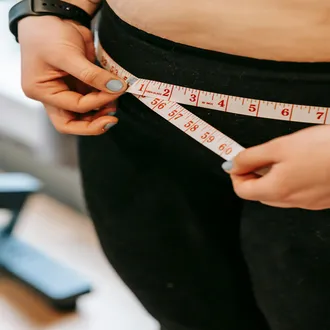
Supplements that can help you lose weight and what to avoid - nutrition weight loss
Supplements that promise to help you lose weight work through different mechanisms: some increase metabolism, others reduce appetite or nutrient absorption, and a few modulate fluid balance. It is important to understand that none of them is a miracle solution; their efficacy depends on context: diet, physical activity, sleep and metabolic health. In addition, individual response varies by genetics, age, gender and health status. Before incorporating any product, it is advisable to know its mechanism and the evidence that supports it.
Some ingredients have shown consistent results in human studies when combined with lifestyle changes. The most relevant ones are described below, with their benefits and limitations.
Caffeine is a stimulant that can increase energy expenditure and fat oxidation in the short term. It is found in coffee, tea, energy drinks and many commercial supplements. Moderate doses can improve performance and reduce feelings of fatigue, making it easier to maintain an exercise routine.
Protein contributes to satiety and helps preserve muscle mass during weight loss. Supplementing with protein powder can be practical to meet daily needs, especially if the diet is hypocaloric.
Soluble fibers such as glucomannan and psyllium absorb water and create bulk in the stomach, which can reduce appetite and caloric intake. They also have positive effects on intestinal transit and metabolic health.
Green tea contains catechins, especially EGCG, which may increase thermogenesis and fat oxidation. The effects are modest but consistent in several studies when combined with caffeine and healthy habits.
There are numerous products on the market with exaggerated promises or poorly studied ingredients. Some are potentially dangerous or ineffective. Here are categories that should be avoided or approached with great caution.
Burners containing potent stimulant blends can increase the risk of arrhythmias, hypertension, anxiety and even more serious events. Some products have been recalled for adverse effects.
Products that promise to prevent fat or carbohydrate absorption may cause severe gastrointestinal effects (diarrhea, malabsorption) and do not guarantee sustained weight loss. In addition, reduced absorption may interfere with the absorption of fat-soluble vitamins.
Many herbal plants and compounds are promoted without robust scientific backing. Lack of regulation allows contamination, unknown doses or combination with dangerous substances.
Selecting a supplement requires judgment. Do not base the decision solely on advertising or testimonials. Some practical steps help minimize risk and maximize the likelihood of benefit:
Supplements may interact with common medications such as anticoagulants, antidepressants, antihypertensives, and antidiabetics. They may also alter laboratory tests or potentiate adverse effects. Pregnant women, nursing mothers, people with hepatic or renal diseases should take extreme precautions.
Supplements can be an auxiliary tool, but the basis of any weight reduction process should be a balanced diet and regular physical activity. Prioritize sustainable habits: portion control, food variety, adequate sleep, stress management and exercise. Consider supplementation as an occasional support to cover deficiencies or facilitate adherence, not as a shortcut.
If you decide to use supplements, choose those with reasonable evidence (protein, fiber, caffeine in safe doses, quality green tea extract) and avoid mixtures with potent stimulants or questionable ingredients. Consult with a health professional to customize the choice for your situation. With realistic approach and safe measures, supplements can accompany an effective and sustainable body composition improvement plan.