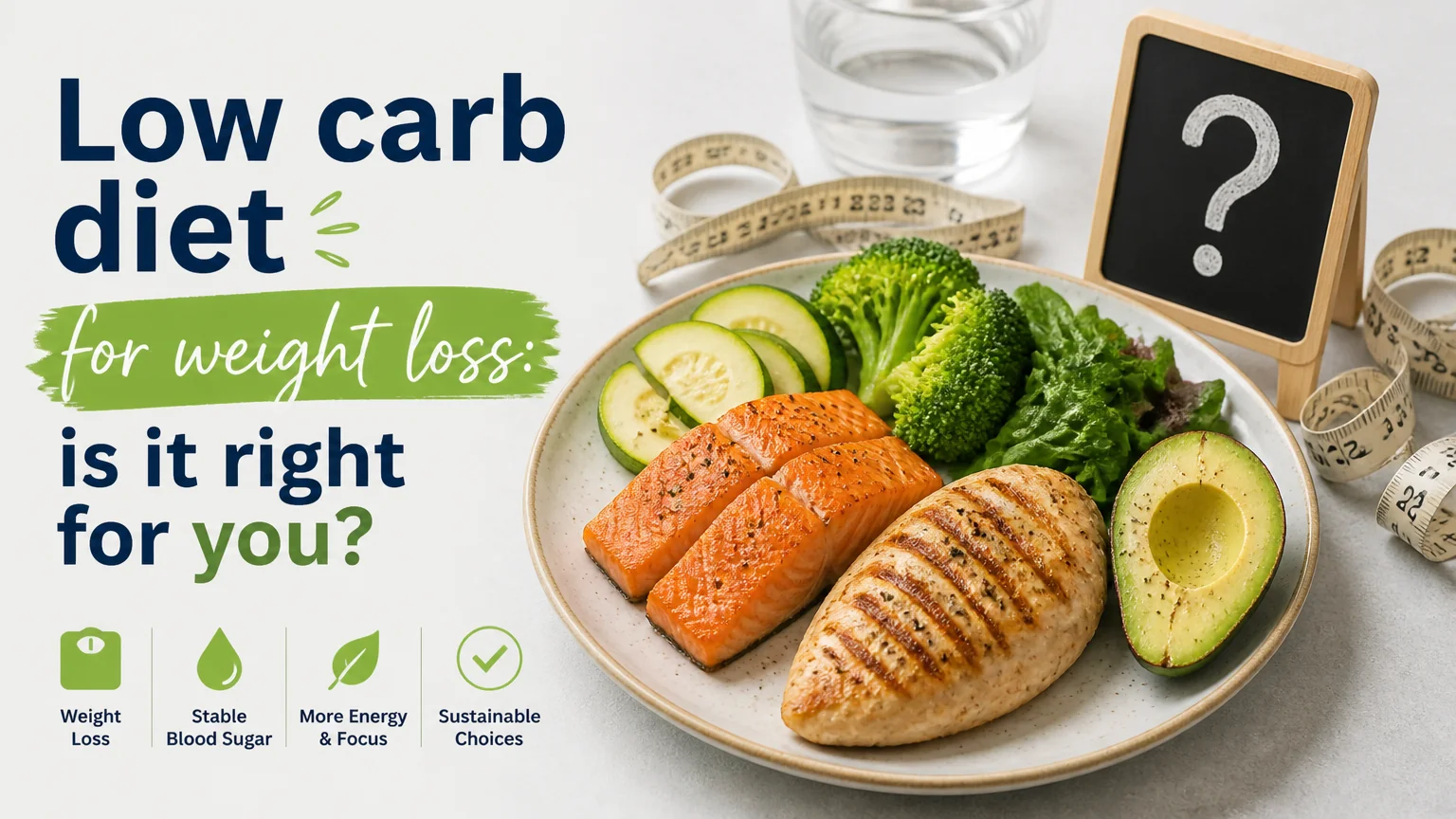
Weekly menu to lose weight without deprivation - nutrition weight loss
Creating a meal plan that encourages weight loss can be enjoyable with the right approach. If you're interested in exploring structured meal preparation for lasting changes, enroll in this course on meal planning techniques for weight loss that offer flexibility and satisfaction.
Taking a practical and enjoyable approach to eating makes the difference between a temporary diet and a sustainable change. Here you’ll find a structured guide to planning a week of meals that supports weight loss without leaving you feeling deprived: tasty dishes, controlled portions, and flexible options you can adjust to suit your tastes and schedule.
Key principles
Before looking at the sample menu, it’s important to understand the principles behind it. These principles help you feel full, preserve muscle mass, and reduce appetite without eliminating food groups or turning eating into a punishment.
- Prioritize lean protein at every meal to help you feel full and protect muscle mass.
- Include a variety of seasonal vegetables at every meal for fiber, volume, and micronutrients.
- Eat controlled portions of complex carbohydrates, such as whole grains, starchy vegetables, and legumes.
- Choose healthy fats in moderate amounts, such as olive oil, nuts, and avocado.
- Drink enough water and pay attention to the difference between physical hunger and emotional hunger.
- Allow for small planned treats to help prevent binge eating and maintain motivation.
How to organize the week
Planning makes success easier. Spending an hour or two planning and preparing basic dishes reduces temptation and the time spent considering less healthy options. Here’s a simple structure for organizing your daily meals.
Suggested meal schedule
- Breakfast: a source of protein + a complex carbohydrate + fruit or vegetables.
- Mid-morning: a light snack if needed (yogurt, fruit, nuts).
- Lunch: a balanced plate with protein, vegetables, and whole-grain carbohydrates.
- Afternoon snack: similar to the mid-morning snack, to help maintain energy.
- Dinner: lighter than lunch, centered on protein and vegetables, with a smaller amount of carbohydrates.
Plan two or three staples you can combine (for example, brown rice, quinoa, and legumes), and prepare roasted or steamed vegetables to serve with several dishes.
Sample weekly meal plan
This sample offers variety and flexibility. Portions should be adjusted based on physical activity, sex, age, and goals. You can swap meals between days and adapt the ingredients to the season.
Monday
- Breakfast: egg-white omelet with spinach and tomato + a slice of whole-grain bread.
- Mid-morning: plain yogurt with a tablespoon of chia seeds.
- Lunch: grilled chicken breast, quinoa, and mixed salad with olive oil.
- Afternoon snack: baby carrots and homemade hummus.
- Dinner: vegetable soup and a small piece of baked salmon.
Tuesday
- Breakfast: oatmeal cooked with plant-based milk, blueberries, and a teaspoon of almond butter.
- Mid-morning: an apple and a handful of walnuts.
- Lunch: warm lentil salad with roasted peppers, onion, and fresh cheese.
- Afternoon snack: celery sticks with herbed yogurt dip.
- Dinner: cod baked in parchment paper with steamed broccoli.
Wednesday
- Breakfast: green smoothie with spinach, a small banana, optional protein powder, and water.
- Mid-morning: a pear and 10 almonds.
- Lunch: turkey breast, mashed sweet potato, and arugula salad.
- Afternoon snack: whipped fresh cheese with cinnamon.
- Dinner: vegetable stir-fry with tofu and low-sodium soy sauce.
Thursday
- Breakfast: Greek yogurt, light homemade granola, and strawberries.
- Mid-morning: a hard-boiled egg and sliced cucumber.
- Lunch: chickpea salad with cherry tomatoes, cucumber, olives, and herbs.
- Afternoon snack: a mandarin and a handful of sunflower seeds.
- Dinner: lemon chicken breast with grilled asparagus.
Friday
- Breakfast: whole-grain toast with avocado and sliced tomato + a squeeze of lemon.
- Mid-morning: yogurt with a tablespoon of flaxseeds.
- Lunch: lean beef steak, coleslaw, and brown rice.
- Afternoon snack: a small protein shake made with water and a small piece of fruit.
- Dinner: light homemade pizza with a whole-grain crust, tomato, vegetables, and a moderate amount of cheese.
Saturday
- Breakfast: oat and egg-white pancakes with banana and a small amount of honey.
- Mid-morning: seasonal fruit and 6–8 hazelnuts.
- Lunch: vegetable paella with diced chicken and plenty of vegetables.
- Afternoon snack: homemade popcorn without butter.
- Dinner: warm salad with salmon, quinoa, avocado, and leafy greens.
Sunday
- Breakfast: scrambled eggs with mushrooms, onion, and asparagus, served with a slice of whole-grain bread.
- Mid-morning: plain yogurt with chopped fruit.
- Lunch: lentil stew with vegetables and a small portion of potato.
- Afternoon snack: grated carrot with lemon and a handful of almonds.
- Dinner: light miso soup with tofu and seaweed, and a small salad.
Preparation tips and substitutions
Adaptability is key. Change ingredients based on availability and preferences without disrupting the nutritional balance. Here are some practical ideas.
- If you don’t like a particular fish, replace it with another source of lean protein, such as chicken or legumes.
- Prepare large batches of staples (grains, legumes, roasted vegetables) to save time during the week.
- Use spices, herbs, and citrus to add flavor without extra empty calories.
- Watch the sauces: choose homemade versions made with yogurt, lemon, or olive oil instead of commercial sauces high in sugar or fat.
- If you need more energy, slightly increase your portions of complex carbohydrates; if you’re aiming for a calorie deficit, moderately reduce the amount while keeping protein intake up.
Habits to help you avoid feeling deprived
Losing weight doesn’t have to mean getting bored. These habits can help you continue enjoying food and stay consistent over time.
- Allow yourself one meal without restrictions each week or one small, controlled treat each day to avoid feeling deprived.
- Eat slowly and mindfully, chewing well so you can recognize when you’re truly full.
- Vary the textures and colors on your plate to make meals more appealing.
- Share food and recipes with friends or family; food is also a way to connect socially.
- Track progress not only by weight, but also by your energy, how your clothes fit, and your mood to help maintain motivation.
With simple planning, tasty dishes, and permission to enjoy food without overdoing it, you can create a week of eating that supports weight loss without giving up the pleasure of eating. Adjust portions and combinations to suit your needs, and remember that long-term consistency is more effective than occasional drastic changes.
 For Onlinecourses55
|
2026-04-12
For Onlinecourses55
|
2026-04-12