LOGIN

REGISTER
Seeker

What is the difference between nutritional coaching and a nutritionist? - nutritional coaching

onlinecourses55.com

ByOnlinecourses55

2026-01-13
What is the difference between nutritional coaching and a nutritionist? - nutritional coaching


What is the difference between nutritional coaching and a nutritionist? - nutritional coaching

Introduction: Beyond the Diet

In a world obsessed with miracle diets and quick-fix fitness solutions, we often find ourselves confused about whom to turn to for the help we need. Two professions that sound similar yet are fundamentally different are nutritional coaching and nutrition. Have you ever wondered what the difference is? Well, you're in the right place. We are going to break down the key differences so you can make an informed decision about which is the best option for you. Think of it as choosing between a detailed map (the nutritionist) and a motivational guide (the nutritional coach) for your journey toward a healthier life. Ready to explore?

What is a Nutritionist? The Science of Food

A nutritionist is a health professional who specializes in the science of food. Their knowledge is based on rigorous academic training and a deep understanding of how foods impact our body at a biological and chemical level.

The Academic Training of the Nutritionist

To become a nutritionist, it is necessary to complete a bachelor's degree in nutrition or dietetics. During these studies, they learn about biochemistry, physiology, anatomy, diet therapy, and many other scientific disciplines. This qualifies them to understand how nutrients affect health and how to design personalized meal plans for different needs and medical conditions. Imagine a nutritionist as a food engineer, designing the perfect plan to optimize your health.

Key Functions of a Nutritionist

The functions of a nutritionist are varied and include:

  • Nutritional status assessment: They analyze food intake, medical history, and laboratory test results to identify deficiencies or nutritional imbalances.
  • Design of personalized meal plans: They create meal plans adapted to individual needs, considering factors such as age, gender, level of physical activity, food preferences, and medical conditions.
  • Nutritional education: They provide information and guidance on how to maintain a healthy diet, how to read food labels, and how to make informed decisions about food.
  • Dietary treatment of diseases: They help manage chronic diseases such as diabetes, hypertension, celiac disease, and cardiovascular diseases through diet modification.
  • Research: They participate in research to advance knowledge of nutrition and its impact on health.

When to Consult a Nutritionist?

You should consider consulting a nutritionist if:

  • You have a medical condition that requires a special diet, such as diabetes, celiac disease, or kidney disease.
  • You need help managing your weight safely and effectively.
  • You have food allergies or intolerances.
  • You are pregnant or breastfeeding.
  • You are an athlete seeking to optimize your sports performance through nutrition.
  • You simply want to learn more about how to maintain a healthy and balanced diet.

What is Nutritional Coaching? Empowerment and Habit Changes

Unlike the nutritionist, the nutritional coach focuses more on the habit change process and client empowerment. Their main goal is to help people adopt a healthy lifestyle in the long term, addressing the emotional, behavioral, and psychological aspects related to food.

The Role of the Nutritional Coach

The nutritional coach acts as a guide and motivator. They help you identify your goals, overcome the obstacles that prevent you from reaching them, and develop strategies for maintaining a healthy diet in the long term. They don't focus as much on the science of nutrition, but rather on the process of behavioral change. Think of them as a personal trainer for your mind and your eating habits.

Tools and Techniques Used

Nutritional coaches use a variety of tools and techniques, including:

  • Goal setting: They help you define realistic and achievable goals related to your diet and health.
  • Planning: They help you plan your meals and groceries to ensure you are eating healthy foods.
  • Identification of triggers: They help you identify the factors that lead you to unhealthy eating, such as stress, boredom, or negative emotions.
  • Development of coping strategies: They help you develop strategies to deal with triggers and avoid falling into unhealthy eating patterns.
  • Support and motivation: They provide support and motivation to keep you on the right track and achieve your goals.

When to Consider a Nutritional Coach?

You should consider a nutritional coach if:

  • You have difficulty maintaining a healthy diet long-term.
  • You struggle with emotional or compulsive eating.
  • You need support and motivation to achieve your health goals.
  • You want to sustainably change your eating habits.
  • You feel overwhelmed by contradictory information about nutrition.

Nutritional Coaching vs. Nutritionist: The Key Differences

To summarize, here are some of the key differences between nutritional coaching and nutrition:

Primary Focus

  • Nutritionist: Focuses on the science of food and the design of personalized meal plans.
  • Nutritional Coach: Focuses on the process of habit change and client empowerment.

Work Methodology

  • Nutritionist: Uses a more scientific and data-driven approach.
  • Nutritional Coach: Uses a more holistic and client-centered approach.

The Role of the Patient/Client

  • Nutritionist: The patient follows the nutritionist's recommendations.
  • Nutritional Coach: The client actively participates in the change process and makes informed decisions.

Which is the Best Option for You? Personal Considerations

The best option for you will depend on your personal needs, goals, and preferences. Here are some considerations to keep in mind:

Personal Goals and Objectives

What do you want to achieve? If you need a specific meal plan for a medical condition, a nutritionist is the best option. If you need help changing your eating habits long-term, a nutritional coach may be more suitable.

Level of Commitment and Self-Discipline

Are you willing to follow the recommendations of a nutritionist? Are you willing to actively work on changing your eating habits with a nutritional coach?

Available Budget

Nutritionists are generally more expensive than nutritional coaches. Consider your budget when making a decision.

Integrating Both Approaches: An Ideal Team

In some cases, it can be beneficial to work with both a nutritionist and a nutritional coach. The nutritionist can provide you with a personalized meal plan based on your medical needs and health goals, while the nutritional coach can help you stay motivated and change your eating habits long-term. Think of them as a dream team for your nutritional well-being.

Conclusion: Choosing the Right Path to a Healthy Life

In summary, the choice between nutritional coaching and a nutritionist depends on your individual needs and goals. If you seek a scientific foundation and a specific meal plan, a nutritionist is your best option. If you need support to change your habits and stay motivated, a nutritional coach is the way to go. But why not consider both? Combining the science of nutrition with the power of coaching can be the key to a healthier and happier life. Choose wisely and start your journey toward well-being today!

FAQs

  • Can I combine nutritional coaching with a nutritionist? Absolutely! In fact, this combination can be very effective. The nutritionist will give you the specific meal plan, and the coach will help you follow it and maintain motivation.
  • Which is more expensive, a nutritionist or a nutritional coach? Generally, a nutritionist tends to be more expensive due to their academic background and specialization.
  • Do I need a certification to be a nutritional coach? It is not always necessary, but having a recognized certification can increase your credibility and skills.
  • How long do I need to be in nutritional coaching to see results? It depends on your goals and your level of commitment, but results are generally seen within a few weeks or months.
  • What if I have a specific medical condition? In that case, it is crucial to first consult a nutritionist or doctor to obtain an adequate and safe meal plan. The nutritional coach can complement this plan with support and motivation.

Become an expert in Nutritional coaching!

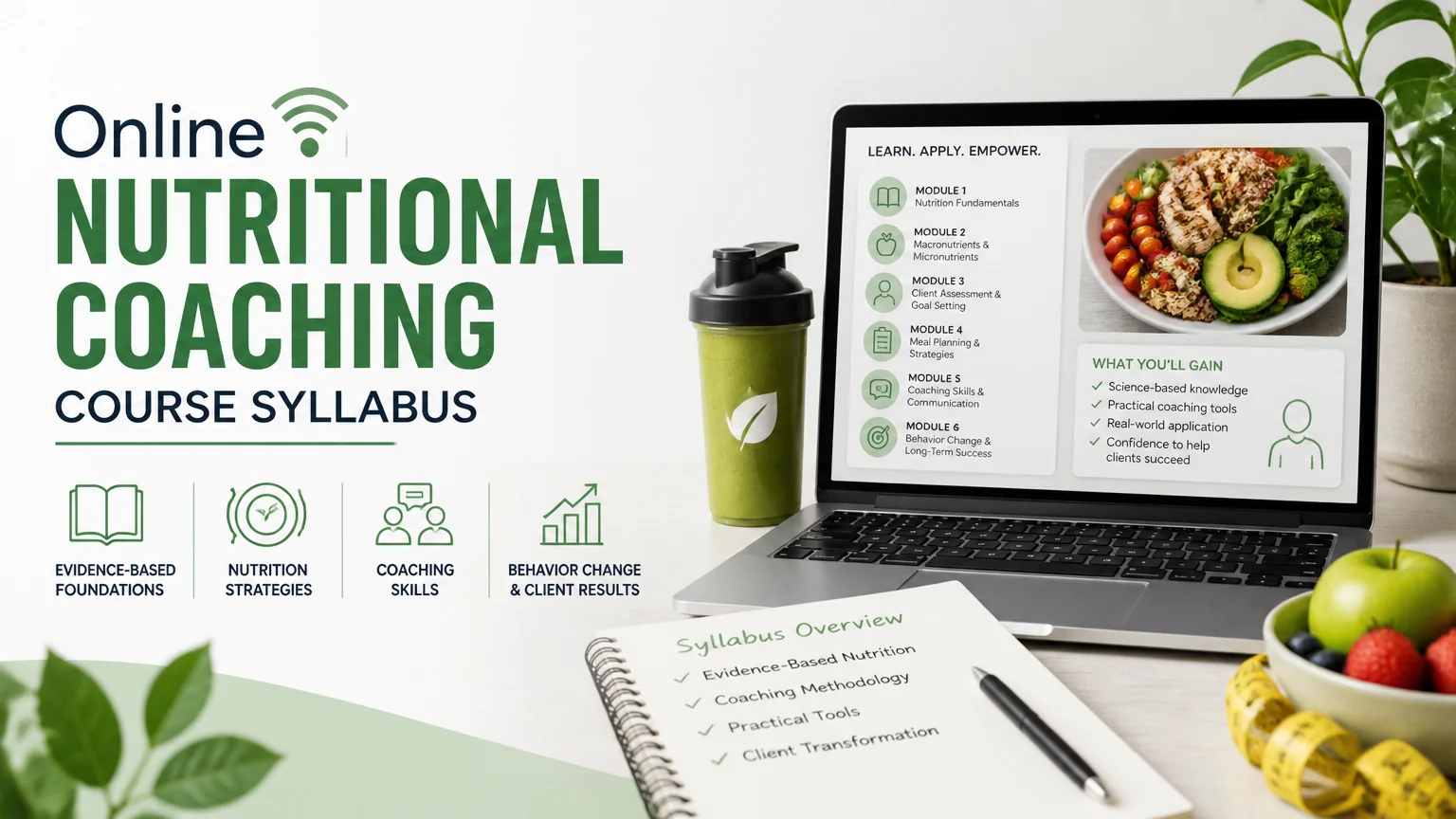
Learn about nutrition and health with the Nutritional Coaching Course - Consisting of 7 Topics and 48 Hours of study - Price of $12.00

EXPLORE THE COURSE NOW

Recent Publications

Search