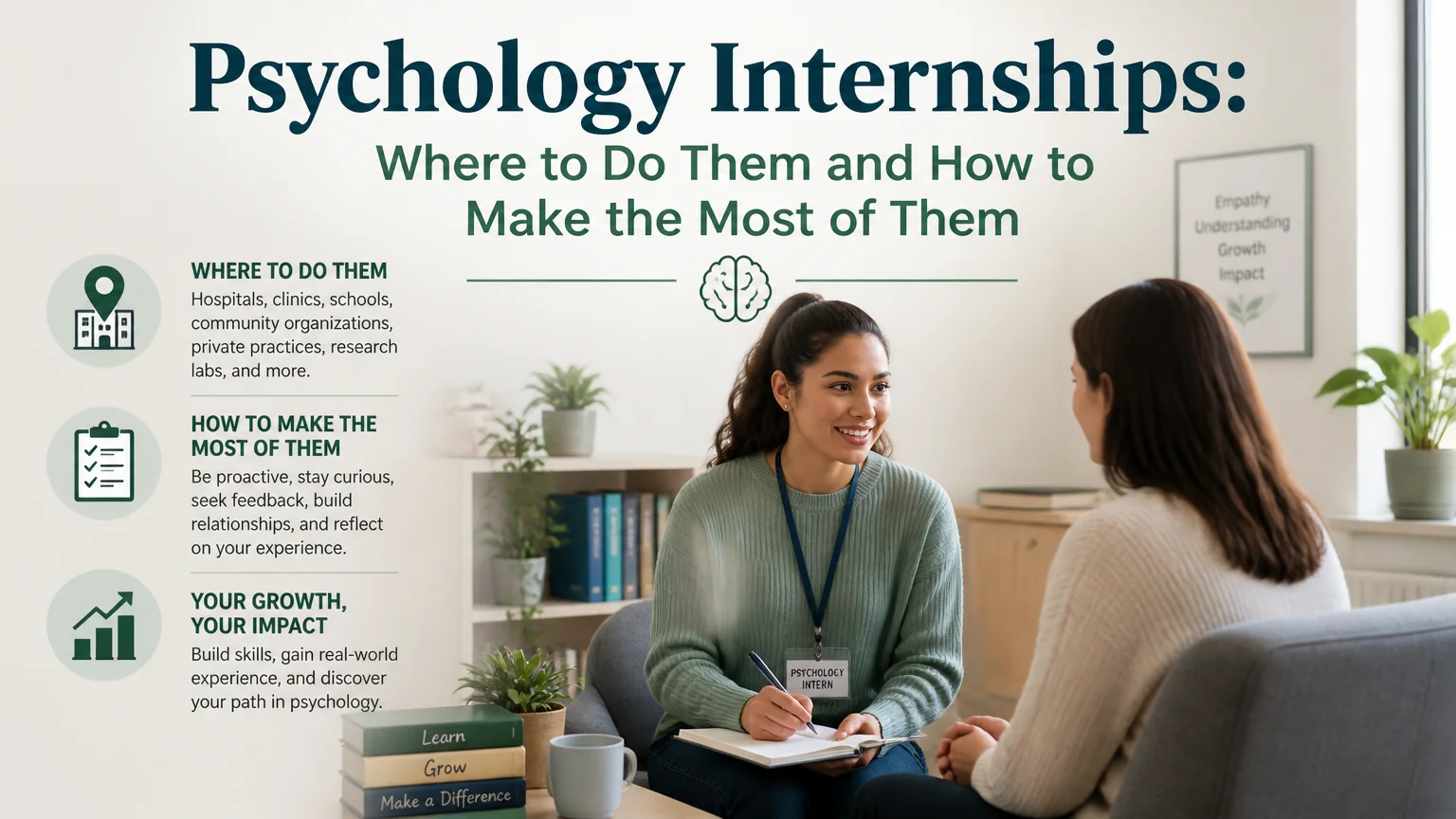
Volunteering in psychology: how to gain experience before working - practical psychology
Volunteering in psychology provides unparalleled experience to bridge classroom theory with practice. To make the most of your volunteer opportunities and stand out to future employers, check out the course on practical psychological skills that emphasizes hands-on learning and development.
Starting a career in psychology is an exciting path, but also a competitive one. The theory learned at university is fundamental, but practical experience is what really makes the difference. The volunteering in psychology emerges as an invaluable opportunity to gain that experience, hone skills, and open doors that would otherwise remain closed. This article will explore in detail how volunteering can be a crucial springboard for your professional future.
Why Is Volunteering Crucial for Students and Recent Graduates in Psychology?
The answer is simple: real experience. Many employers look for candidates who not only have the degree but also demonstrate having applied their knowledge in real situations. Volunteering allows you to:
- Develop Practical Skills: You will learn to interact with patients, apply assessment techniques, observe behaviors, and work as part of a team. These skills are impossible to acquire fully in a classroom.
- Explore Different Areas of Psychology: Volunteering lets you try different specialties, such as clinical, educational, social, or forensic psychology. This will help you discover which area you are most passionate about.
- Build Your Professional Network: You'll meet experienced professionals who can offer mentorship, advice, and job opportunities. Networking is essential in any career.
- Enhance Your Curriculum Vitae: Volunteering demonstrates your commitment to the profession and your initiative in seeking learning opportunities. A CV with volunteering experience always stands out.
- Develop Empathy and Sensitivity: Working with people in vulnerable situations will help you develop greater understanding and empathy, essential qualities for any psychologist.
Types of Volunteering in Psychology You Can Explore
The world of volunteering in psychology is vast and diverse. Here are some popular options:
- Nonprofit Organizations (NGOs): Many NGOs offer psychological support services to vulnerable populations, such as people experiencing homelessness, victims of domestic violence, or refugees.
- Hospitals and Clinics: You can collaborate in hospitals or clinics, assisting psychologists in the care of patients with various mental health conditions.
- Educational Centers: Some schools and universities offer volunteer opportunities to support students with learning difficulties or emotional problems.
- Mental Health Organizations: You can join organizations dedicated to promoting mental health and preventing suicide, participating in awareness campaigns and support programs.
- Nursing Homes: Providing emotional and cognitive support to older adults can be a very rewarding and valuable experience.
How to Find Volunteering Opportunities in Psychology
Searching for volunteering opportunities requires a bit of research and persistence. Here are some tips:
- Contact Your University: Many universities have agreements with organizations that offer volunteer opportunities to psychology students.
- Talk to Professors and Mentors: Your professors and mentors may have valuable contacts and recommendations.
- Use Online Platforms: There are various online platforms that connect volunteers with organizations, such as Idealist, VolunteerMatch, or platforms specific to your country.
- Contact Organizations Directly: Don't hesitate to reach out directly to organizations that interest you and ask if they have volunteering opportunities.
- Professional Social Networks: LinkedIn and other professional platforms can be useful for finding volunteer postings and contacting professionals in the field.
Tips to Make the Most of Your Volunteering Experience
Volunteering is an opportunity to learn and grow, both professionally and personally. To make the most of it, consider the following:
- Define Your Goals: What do you hope to achieve with this experience? What skills do you want to develop? Having clear goals will help you focus your efforts.
- Be Proactive: Don't wait to be told what to do. Seek out opportunities to learn and contribute.
- Be Responsible and Committed: Fulfill your commitments and be punctual. Responsibility is fundamental in any professional setting.
- Ask for Feedback: Request feedback from your supervisors and colleagues. Constructive criticism will help you improve.
- Document Your Experience: Keep a record of your activities, learnings, and achievements. This will be useful for your CV and job interviews.
- Reflect on Your Experience: Take time to reflect on what you have learned, what you enjoyed, and what you would like to improve.
The Impact of Volunteering on Your Professional Career in Psychology
Volunteering not only provides practical experience, but it can also have a significant impact on your professional trajectory:
- Increases Your Employment Prospects: Employers value volunteering experience as a sign of commitment, initiative, and practical skills.
- Helps You Find Your Calling: Volunteering lets you explore different areas of psychology and discover what you are most passionate about.
- Allows You to Build a Strong Professional Network: You will meet professionals who can offer mentorship, advice, and job opportunities.
- Prepares You for Clinical Practice: If you aspire to be a clinical psychologist, volunteering will give you valuable experience in patient care.
- Teaches You to Work as Part of a Team: Most volunteering environments involve working collaboratively with other professionals and volunteers.
Success Stories: Psychologists Who Started with Volunteering
There are countless stories of successful psychologists who began their careers with volunteering. These examples demonstrate the transformative power of volunteering to boost careers and make a difference in people's lives. Look for testimonials and case studies to inspire you.
 For Onlinecourses55
|
2026-10-16
For Onlinecourses55
|
2026-10-16

![Best academies and methods to prepare for the pir [comparison]](/images/postDuplicados/onlinecourses55-best-academies-and-methods-to-prepare-for-the-pir-comparison.webp)