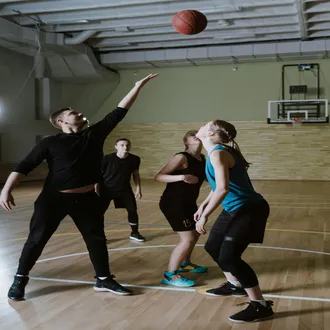
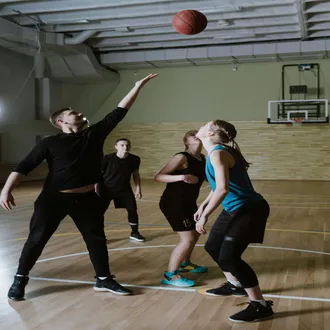
Pre-competition anxiety is a normal bodily response to pressure, uncertainty and the desire to perform at your best. You shouldn't 'eliminate' it, but channel it so it becomes focus, energy and presence. Breathing is the most direct tool to achieve this: it modulates the nervous system within seconds, stabilizes attention and improves fine coordination. Below you will find five techniques that elite athletes use in training, training camps and high-demand moments, plus clear guidelines for practicing and combining them depending on the moment.
Understanding pre-competition anxiety and the role of breathing
Anxiety activates the sympathetic system: the pulse speeds up, muscles tense and the mind fills with anticipatory thoughts. Controlled breathing activates the body's natural brake (the parasympathetic system) and restores balance. Quick keys: inhalations tend to activate, long exhalations tend to calm; breathing through the nose helps stabilize rhythm and concentration; a steady cadence creates a sense of control.
How to practice: key principles before the techniques
- Train when calm, apply under stress: practice daily at rest 5–10 min; this way, in competition it will come automatically.
- Functional posture: long spine, relaxed shoulders, soft abdomen to allow diaphragm movement.
- Prefer nasal breathing whenever possible: it improves efficiency and reduces hyperventilation. Switch to mouth only if the effort demands it.
- Exhale longer than you inhale to calm; match times to stabilize; add pauses if you need sharp focus.
- No dizziness: if tingling or lightheadedness appears, stop the practice and return to natural breathing.
Technique 1: Diaphragmatic breathing with prolonged exhalation (1:2 ratio)
Foundation of almost all high-performance protocols. Deepens breathing 'from the abdomen' and lengthens the exhalation to reduce activation without losing alertness.
How to do it
- Place one hand on the chest and the other on the abdomen. Inhale through the nose for 3–4 s noticing how the abdomen expands.
- Exhale gently through the nose or pursed lips for 6–8 s, emptying without forcing.
- Repeat 2–5 minutes. Maintain a smooth rhythm, avoiding breath-holds if they are uncomfortable.
When to use it
- The night before or the morning of the event to lower baseline tension.
- During warm-up, between blocks, to stabilize pulse without 'numbing' yourself.
- After anxiety spikes, to regain control.
Technique 2: Box breathing
Widely used to train focus under pressure. It structures breathing into four equal phases: inhale, hold, exhale, hold. The pauses sharpen attention and improve self-control.
How to do it
- Inhale through the nose for 4 s.
- Hold the breath for 4 s (without tension in the neck/shoulders).
- Exhale through the nose for 4 s.
- Hold empty for 4 s.
- Repeat 2–4 minutes. Adjust to 3–5 s per phase according to comfort.
When to use it
- Minutes before going out to compete, to 'frame' the mind.
- Between attempts or sets when you need to re-enter task mode.
- In technical sports where excess activation breaks finesse.
Technique 3: Physiological sigh (quick reset)
A double inhale followed by a long relaxed exhale that releases tension in seconds. Ideal to cut rumination or hand tremor.
How to do it
- Inhale through the nose up to 80–90% of your capacity.
- Without exhaling, add a second short inhale to 'top up' and stretch the alveoli.
- Exhale slowly and completely through the mouth or nose until you feel relief.
- Do 1–3 repetitions and then breathe normally. Repeat if necessary.
When to use it
- Just before a serve, start or decisive attempt.
- After an error to break the spiral of frustration and return to the plan.
- In interviews or weigh-ins when you notice your breathing is shallow.
Technique 4: Cardiac coherence (6 breaths per minute)
This consists of breathing at a rhythm of approximately 5–6 s inhalation and 5–6 s exhalation (about 6 breaths per minute) to synchronize breathing and heart rate variability. It improves calm alertness and recovery between efforts.
How to do it
- Inhale through the nose for 5 s.
- Exhale through the nose for 5 s.
- Maintain a continuous, smooth flow for 5 minutes.
- Optional: place a hand on the chest to feel the pulse and match it.
When to use it
- On the morning of competition day to 'tune' the nervous system.
- Between rounds or heats when you have 3–10 minutes of pause.
- In post-competition recovery to speed up the return to calm.
Technique 5: Controlled breath-holds for CO2 tolerance
Gentle breath holds gradually increase CO2 tolerance, reducing the sensation of 'air hunger' and the urgency to breathe that triggers anxiety. It should be practiced wisely and never in water or standing if you feel dizzy.
How to do it
- Take 3–5 calm nasal breaths.
- Inhale normally, exhale normally to 50–60%, then hold the breath empty.
- Count steps or seconds until you notice slight discomfort (2–4/10), without forcing.
- Release and resume calm breathing for 3–4 cycles. Repeat 4–6 times.
When to use it and precautions
- Weeks beforehand, as part of respiratory conditioning.
- Do not use it just before competing if you are not accustomed to it.
- Avoid if you have a history of respiratory or cardiovascular problems without professional clearance.
2-minute micro-routines depending on the moment
- Before warming up: 1 min coherence + 1 min diaphragmatic 1:2.
- In the call room: 2–3 physiological sighs + 1 min gentle box breathing.
- Between attempts: 3 cycles 1:2 (3 s in/6 s out) + a physiological sigh.
- After competing: 3–5 min coherence or 1:2 to accelerate recovery.
Common mistakes and how to avoid them
- Forcing the air: effective breathing is quiet and elastic, not tense.
- Moving only the chest: prioritize the diaphragm; the chest accompanies, it does not lead.
- Unknowingly hyperventilating: too many quick inhalations cause dizziness; return to nasal breathing and lengthen the exhale.
- Practicing only during crises: train daily to automate.
- Ignoring posture: relaxed jaw, tongue on the palate, shoulders free.
How to measure progress without gadgets
- Respiratory recovery time: after exertion, how long it takes to return to a comfortable nasal rhythm.
- Subjective calm scale: from 1 to 10 before and after each technique.
- Technical performance: note if you reduce fine errors when applying the breathing.
- Regularity: days/week of practice and accumulated duration.
Integration with training
Include 5–10 minutes of respiratory work at the end of your sessions 3–5 days per week. Choose one main technique (for example, coherence or 1:2) and add another 'quick intervention' (physiological sigh) for critical moments. In the pre-competition microcycle, reduce physical volume and keep breathing work to sustain nervous stability. Coordinate these guidelines with your coach to align them with the warm-up plan and the specific demands of your discipline.
Safety and contraindications
- If you feel dizzy, stop the practice and sit down; breathe normally through the nose.
- Do not perform breath-holds in water or in risky situations.
- People with asthma, COPD, cardiovascular problems, pregnancy or a history of syncope: consult a professional beforehand.
- These techniques do not replace medical care for clinical anxiety; use these tools as a complement.
Mastering your breathing is trainable and transferable: the more you practice it in controlled conditions, the more available it will be when pressure rises. Choose one or two techniques to start, be consistent for two weeks and evaluate sensations and results. The goal is not to 'breathe perfectly', but to have a simple and effective repertoire to turn activation into performance.