For Onlinecourses55
|
2026-07-13
For Onlinecourses55
|
2026-07-13
Allergen labeling - allergens
Navigating food labeling can be tricky, especially for those with dietary restrictions, which is why taking this extensive course on allergen identification and labeling could be a game-changer in your understanding of safe food consumption.
Hello! Have you ever wondered what those small letters on the label of your favorite food mean? Well, if you have allergies or are simply concerned about what you eat, this guide is for you! We are going to unravel the mystery of allergen labeling, both for those who consume food and for those who produce it.
A food allergen is a substance, generally a protein, that the immune system of some people mistakenly identifies as dangerous. When an allergic person consumes that food, their body reacts, causing symptoms ranging from a mild rash to a severe, life-threatening reaction (anafilaxia). Think of it as your body confusing a harmless kitten with a hungry lion.
Allergen labeling is crucial for protecting the health of allergic individuals. Imagine you don''t know you are allergic to peanuts and you eat a cookie that contains them without the label indicating it. It could be a disaster! Clear and accurate labeling allows consumers to make informed decisions and avoid ingredients that could cause them harm. In short, correct labeling saves lives and provides peace of mind.
European legislation, and therefore Spanish legislation, is quite strict regarding allergen labeling. Regulation (EU) No 1169/2011 is the cornerstone, obliging producers to clearly inform about the presence of allergens in food. This regulation seeks to ensure that consumers have access to complete and legible information about ingredients that may cause allergies or intolerances. It is like the "contract" that ensures we know what we are buying and eating.
Legislation is not static—it is constantly evolving! As science advances and new allergens are identified or risks are better understood, standards are updated. It is important to be aware of these modifications to ensure that labeling is always correct and up-to-date. Competent authorities often publish guides and periodic updates to inform producers and consumers.
There are 14 allergens that must be mandatorily declared on food labels in the European Union. Here they are, as if they were the usual suspects in a mystery movie!:
These declarations are a bit confusing, aren''t they? They indicate that, although the allergen is not an intentional ingredient in the product, there is a possibility that it came into contact with it during production. That is to say, the company cannot guarantee 100% that the product is free of that allergen. For people with severe allergies, the safest course of action is to avoid these products. It is like a "warning" of possible danger.
Reading labels is like becoming an ingredient detective. Look for the list of ingredients and pay special attention to words highlighted in bold, italics, or a different color. These usually indicate the presence of allergens. Don''t rely only on the first reading—check the label several times! If you have doubts, contact the manufacturer.
Planning your shopping is key to avoiding unpleasant surprises. Make a list of the foods you need and check the labels before buying them. At home, be careful with cross-contamination: use different utensils and cutting boards for foods that contain allergens and those that do not. Wash your hands frequently and clean work surfaces thoroughly. Safety comes first!
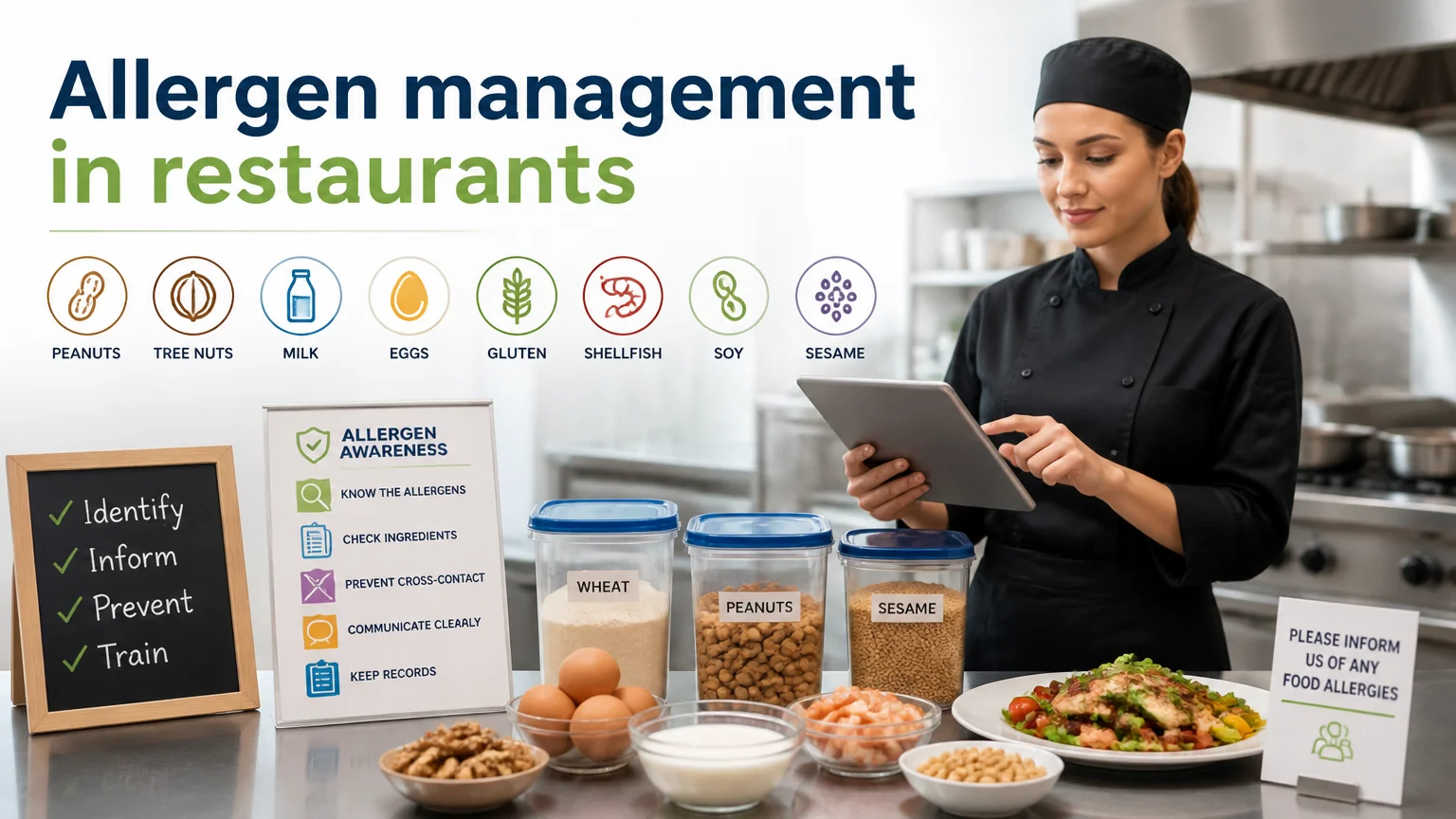
For producers, food safety is a primary responsibility. Implementing measures to prevent cross-contamination is essential. This involves separating production areas, using exclusive equipment and utensils for each type of food, and regularly cleaning and disinfecting the facilities. Hygiene is fundamental!
Production staff must receive specific training on allergens. They must know how to identify them, handle them correctly, and prevent cross-contamination. It is important to have a well-defined and documented allergen management plan. A well-trained team is the best defense against allergies!
There are numerous allergy associations that offer information, support, and resources for people with food allergies. There are also online platforms, blogs, and forums where you can find tips, recipes, and experiences from other allergic individuals. You are not alone! Seek out these resources and join the community.
Allergen labeling is a crucial topic for public health. Both consumers and producers have an important role to play in ensuring food safety. Consumers must educate themselves and read labels carefully, while producers must implement good practices and comply with current legislation. Together, we can create a safer food environment for everyone. Eat safely!
What should I do if I have an allergic reaction after consuming a product?: If you have an allergic reaction, seek medical attention immediately. If you have an epinephrine auto-injector (EpiPen), use it according to your doctor''s instructions. Inform the doctor about what you ate and show them the product label.
How can I tell if a product is "gluten-free"?: Look for the label "sin gluten" or "gluten-free". In the European Union, products labeled as "gluten-free" must contain less than 20 parts per million (ppm) of gluten.
Where can I report incorrect labeling?: You can report incorrect labeling to the health authorities of your autonomous community or to the Spanish Agency for Food Safety and Nutrition (AESAN).
Are restaurants required to inform about allergens?: Yes, restaurants and catering establishments are required to inform about the presence of allergens in their dishes. They can do this through menu cards, information posters, or verbal information provided by staff.
What is lupin and why is it an allergen?: Lupin is a legume used in snacks and vegetarian dishes. It contains proteins that can cause allergic reactions in some people, similar to those caused by peanuts or soy. Although they are nutritious, it is important that they are correctly labeled.
Search
Popular searches