For Onlinecourses55
|
2026-07-13
For Onlinecourses55
|
2026-07-13

What is a coaching session like? structure and what to expect - coach professional
Discover how to foster clarity and commitment in a structured environment through well-designed coaching sessions that prioritize your goals and progress.
A coaching session is a structured, confidential conversation focused on helping you clarify goals, explore options, and commit to concrete actions. It's not about giving advice or telling you what to do, but about creating a guided reflective space where you can think more clearly, discover resources, and make decisions aligned with what you want. It works in both personal and professional contexts, and focuses on the present and the future rather than analyzing the past. The ideal outcome of each meeting is that you leave with renewed clarity, one or several concrete commitments, and a real sense of progress toward your goal.
The session usually begins with a brief welcome and a framing: the duration, the objective of the meeting, and basic rules of confidentiality and respect are agreed. If it's the first time, the coach explains their way of working and validates expectations. This start establishes a climate of psychological safety, key for you to express what you need without filters.
Then the focus is defined. You may arrive with a clear topic or build it with the coach's questions. Ideally, formulate a specific and measurable objective, for example: decide between two professional alternatives, prepare a difficult conversation, or design a plan for a habit change. The more concrete the session's objective, the more likely you are to finish with actionable steps.
In this phase the coach asks questions that invite you to look at the topic from different angles: beliefs, emotions, facts, assumptions, and options. They may also use silences, metaphors, or brief dynamics to unlock reflection. The purpose is to broaden perspective, distinguish the important from the incidental, and recognize resources you might not have seen.
Once the picture is clarified, you move on to generating options and selecting the most viable ones. The coach helps you evaluate impact, effort, and risks, and turn ideas into concrete actions with dates, success criteria, and possible supports. Both what you will do and how you will do it matter, so it is realistic and sustainable.
The session ends by reviewing key learnings, confirming commitments, and agreeing on how progress will be measured. If there will be another session, it is defined what evidence or results you will bring. This closing reinforces accountability and leaves a clear sense of direction.
Most individual processes use sessions of 50 to 75 minutes, weekly or biweekly. The modality can be in-person or online; both work well if the connection and environment allow. Between sessions there are usually brief actions or “tasks” that keep the momentum. A complete process can last from 4 to 12 sessions, depending on the objective and context. The first is usually for framing and defining the process's general goals.
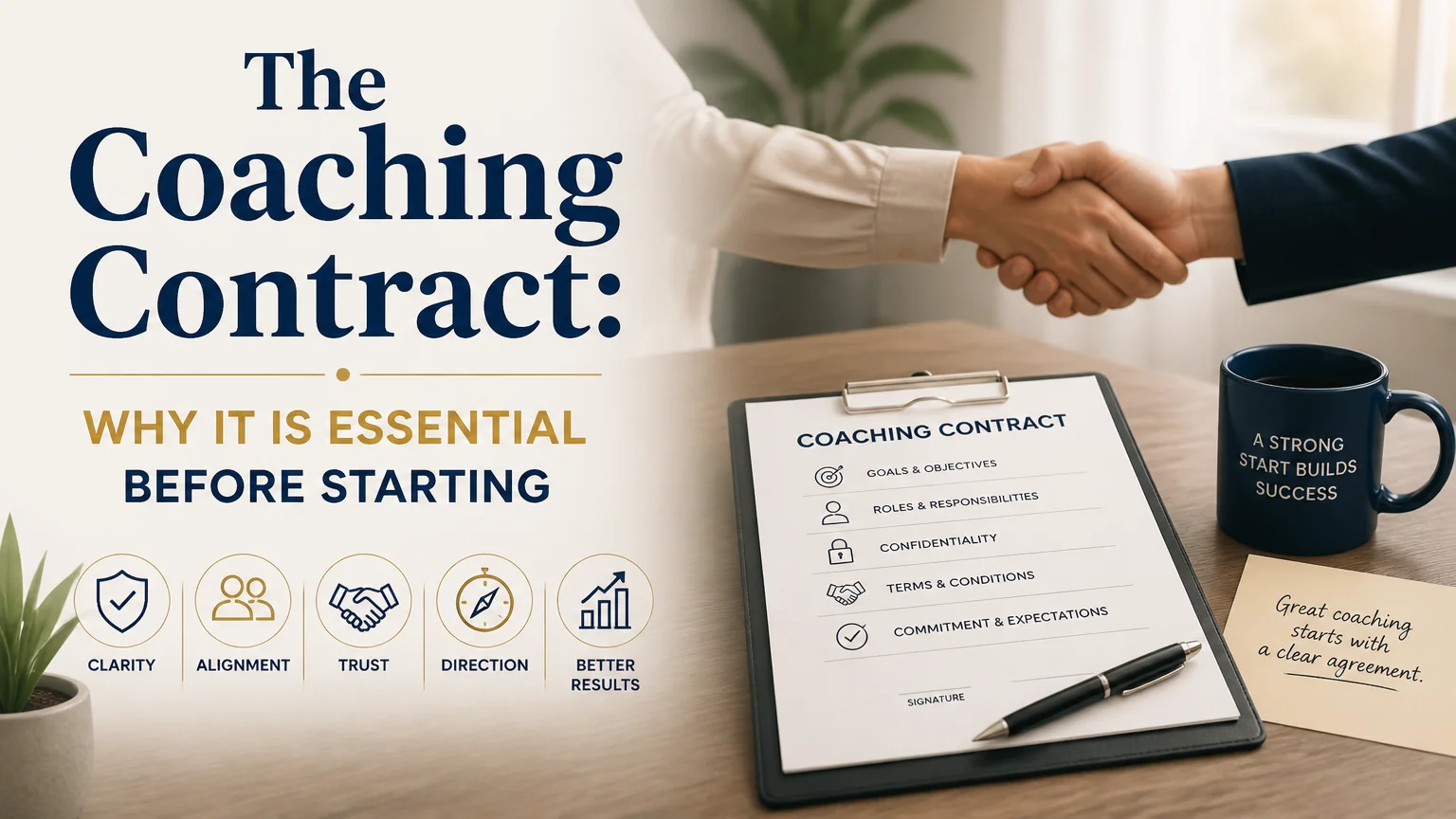
A session is sustained by trust. What is discussed is kept confidential unless there is an explicit different agreement or legal reasons. An ethical professional avoids imposing judgments, respects your decisions, and recognizes the limits of coaching: if an issue arises that requires another type of support, they will say so clearly and may suggest alternatives. It is also common to have a service contract and clear rules about cancellations and rescheduling.
It's normal to experience a mix of relief, clarity and, sometimes, challenge. Good questions can be healthily uncomfortable as they invite you out of the known zone. At the end, you should expect to take away a summary of learnings, a simple plan, and energy to move forward. Change is not always instant; often you will notice cumulative impacts over several sessions and, above all, in what you do between them.
Measuring doesn't always mean complex numbers; it's about observable evidence. Before starting, define how you will know you are progressing: decisions made, habits established, professional milestones, wellbeing indicators or third-party feedback. In each session review progress and learnings, not just completed tasks. Note recurring obstacles and adjust the plan. Improvement is often nonlinear: there will be advances and stagnations; what matters is learning and staying the course.
Reserve a few minutes to consolidate the experience: write three key ideas, two decisions and one immediate action. Schedule the steps in your calendar and set reminders. If doubts arise in execution, note them for the next session. Celebrate small wins; they reinforce motivation and make it more likely you'll maintain commitment. And if something didn't work as you expected, bring the learning: adjusting is an essential part of the process.
A good meeting combines focus, depth and action. Enter with a clear question, leave with a simple plan. Trust the conversation, but measure by your progress between sessions. Look for a professional you feel trust and fit with; the relationship is the vehicle for change. And remember: the real value isn't in accumulating ideas, but in turning them into small, consistent steps that bring you closer to the result you want.
Search
Popular searches