For Onlinecourses55
|
2026-03-05
For Onlinecourses55
|
2026-03-05

How to choose the best relationship coach to save your relationship - couples coach
Taking the courageous step to seek support in your relationship can lead to transformative changes. Equip yourself with a comprehensive understanding of what coaching entails, focusing on practical tools for immediate improvement. Explore insights about effective strategies for enhancing relational dynamics that can lead to lasting satisfaction.
Seeking relationship help is a brave step and, if done right, can change the course of a couple. Before choosing the person who will accompany you, it is important to understand what each professional offers, what questions to ask and what signs tell you if you are looking for the right coach. Here you will find a practical and human guide to make an informed decision, with clear criteria and tips that facilitate the choice without unnecessary technicalities.
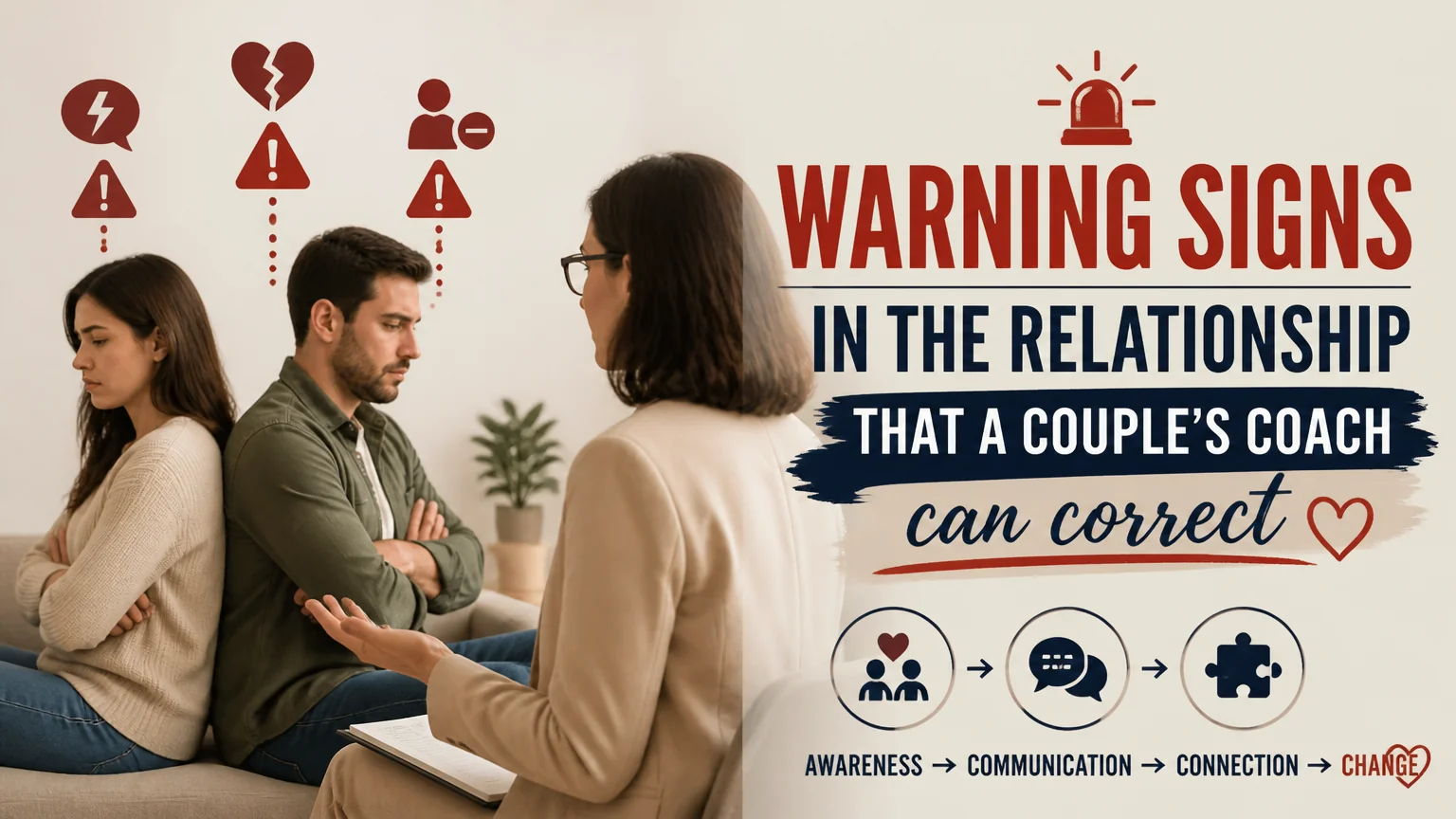
A couple's coach focuses on concrete goals and the here and now: improving communication, resolving recurring conflicts, regaining connection or establishing practical agreements. Unlike some long, in-depth therapies, coaching tends to be shorter and more solution-oriented. This does not make it better or worse, just different; it is useful when both partners are committed to actively working and are looking for tangible results in a limited amount of time.
Before deciding, it is vital to distinguish between profiles. A therapist usually works on deep psychological processes, traumas or emotional disorders; his or her training is clinical. A counselor can offer guidance and emotional support, sometimes with a shorter training. A coach provides practical tools, exercises and strategies to change behaviors and dynamics. Making the right choice involves assessing the nature of the problem: if there is violence, abuse or mental disorder, clinical therapy is a priority; if the problems are communication, boundaries and shared goals, coaching may be appropriate.
The first consultation is both for the coach to get to know the situation and for you to assess whether you are on the right track. Some useful questions to ask are:
There are different approaches within couples coaching: some integrate nonviolent communication techniques, others use practical empathy and time-sharing exercises, and still others incorporate homework assignments. Ask about the typical structure of a session: whether it includes initial assessment, homework and progress evaluation. A serious coach will clearly explain the tools he or she uses and why they are useful for your particular case.
The first few sessions are usually about assessment: identifying patterns, setting goals and agreeing on how to work. It is normal for there to be tension or resistance at the beginning; a good professional will know how to create a safe space and set small achievable goals that invite you to continue.
The duration of the process depends on the objectives and the intensity of the work, but many couple coaching processes are planned in blocks of 8 to 12 sessions. Check the cost per session, if there are discounted packages, the possibility of online sessions and the refund policy. Also assess scheduling accessibility: consistency is key, so coordination of schedules is an important practical factor.
Making the decision as a couple involves dialogue and agreements. Talk about real goals, each partner's willingness to change and available resources. Define expectations: how much time you can devote between sessions, what changes you expect to see and how you will measure progress. If one of you is hesitant, propose a first evaluation session to test the approach without long-term commitment.
Some indicators of progress are: better communication, less escalation in discussions, practical agreements that are followed through, and a greater sense of connection. It is also positive that both members feel concrete tools for handling conflict and that the recurrence of the same problems is reduced. If after several sessions there is no progress or the couple feels worse, it is legitimate to reevaluate and look for another professional alternative.
Choosing the right person is a matter of being informed, asking questions and trusting the signs of professionalism and ethics. Prioritize training, clear methodology and empathy; avoid anyone who offers quick solutions or shows a lack of transparency. Prepare expectations together and evaluate results in terms of concrete changes. With the right choice and commitment from both of you, coaching can become a valuable tool to rebuild the relationship and design a healthier shared future.
Search
Popular searches