For Onlinecourses55
|
2026-07-05
For Onlinecourses55
|
2026-07-05

Personalized customer service to boost sales - customer service
Elevate customer interactions through personalized experiences by joining our comprehensive program focused on effective data use.
Personalization transforms a cold, generic interaction into a relevant experience. When a customer feels that the company understands their needs, trust grows and the likelihood of a purchase increases. It’s not just about using the customer’s name—it’s about tailoring the offer, tone, and service to each person’s context. This reduces friction in the decision-making process, shortens conversion times, and generates word-of-mouth recommendations that attract new buyers. Additionally, personalization improves retention, which increases the value of each customer over time.
To personalize, it is essential to have relevant and up-to-date data. You don’t need to collect everything, but rather the information that allows you to segment and deliver value: purchase history, on-site behavior, previous interactions, and expressed preferences. With that information, you can create dynamic segments that respond to real patterns rather than assumptions. Data quality matters more than quantity; it’s better to have reliable, well-structured data than large volumes of incomprehensible information.
Personalization is measured not only by content, but also by channel and timing. An email message works well for planned offers, while chat or phone responses are critical for resolving immediate questions. Timing relates to the customer lifecycle: welcome, post-purchase, renewal, or recovery. Identifying key touchpoints and tailoring the message to the customer’s status increases relevance and the likelihood of conversion.
There are simple techniques that can be applied immediately. One is the dynamic personalization of customer service scripts: adapting questions and suggestions based on available information. Another is the use of proactive recommendations, where the agent suggests complementary products based on the current purchase or inquiry. Finally, creating predefined but customizable responses allows for consistency without losing the human touch.
Technology and data help, but effective personalization depends on trained people. Training teams in active listening, empathy, and tool usage is key. Encouraging autonomy to adapt communication and provide creative solutions improves the customer experience. Additionally, fostering a culture of continuous learning and sharing success stories allows for the replication of best practices and maintains service quality.
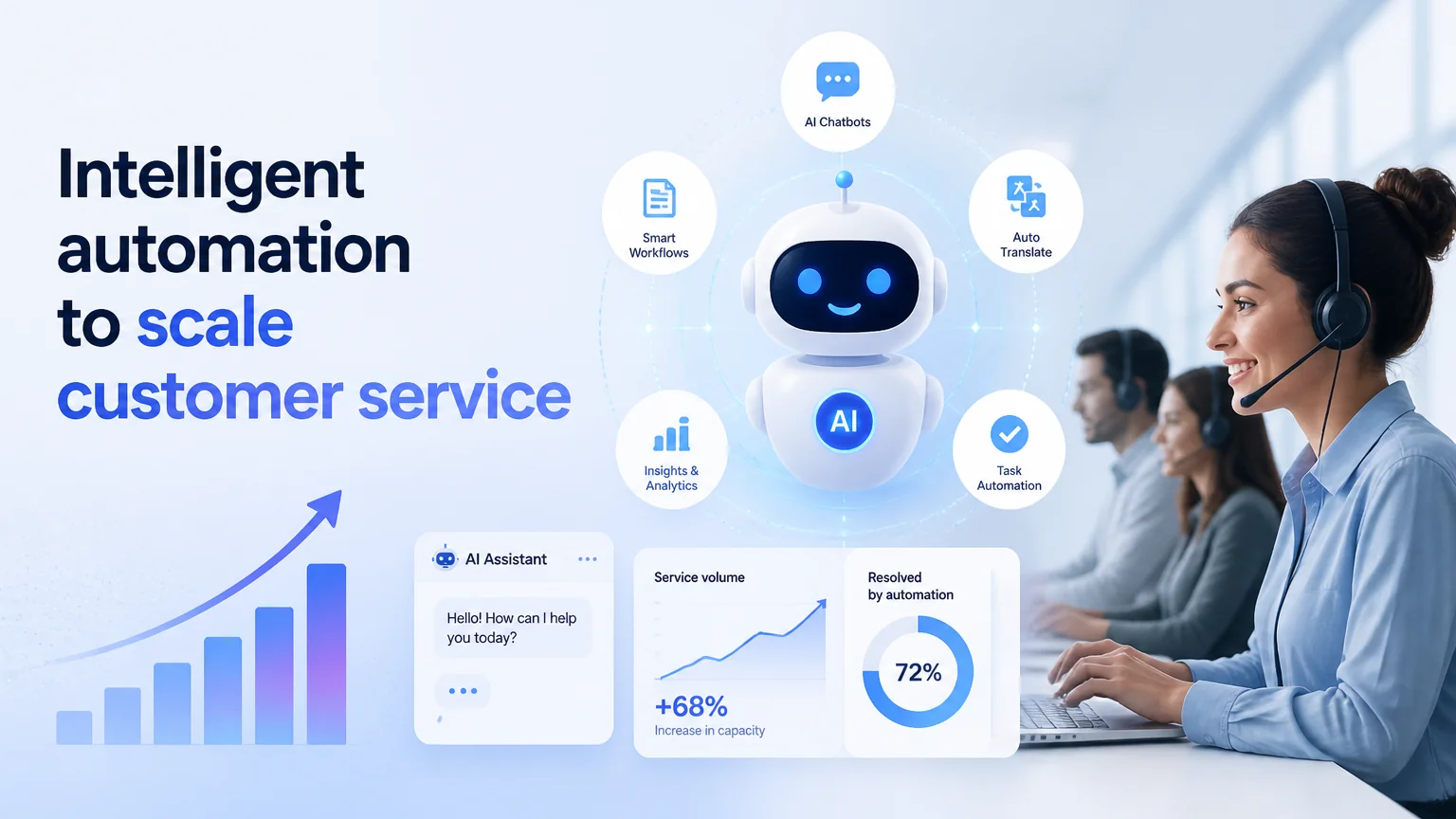
CRM tools, chatbots, and recommendation engines enable scaling of personalization. However, automation must be designed to complement, not replace, human interaction. Chatbots can resolve simple inquiries and refer customers to an agent with context when necessary. Systems must facilitate the transfer of information so that the customer does not have to repeat their story and the agent can offer relevant solutions from the outset.
Measuring allows you to demonstrate the value of personalization and optimize it. Some key metrics include conversion rate by segment, average order value, retention rate, and segmented Net Promoter Score. It’s also useful to measure post-interaction satisfaction and average resolution time. Comparing groups with and without personalization initiatives provides a clear view of the impact on sales and experience.
Implementing personalization comes with challenges: fragmented data, privacy concerns, resistance to change, and the temptation to over-personalize. To mitigate these, centralize information in a single repository, establish clear privacy and transparency policies, and communicate the benefits to teams. Personalization must be relevant and respectful: less is more when building long-term trust.
Personalization in customer service is an effective lever for increasing sales and loyalty. Start by identifying key data, segmenting customers, and defining critical moments of interaction. Train teams to use information with empathy and support the process with appropriate tools that don’t detract from the human touch. Measure results and adjust as you learn: small, well-executed changes generate significant improvements in conversion and in the long-term value of each customer.