For Onlinecourses55
|
2025-12-16
For Onlinecourses55
|
2025-12-16
High-protein diets for endomorphs - diets endomorphs
Unlock the potential of a high-protein diet with a tailored approach. Explore our unique nutrition course for endomorphs to learn how to fuel your body efficiently.
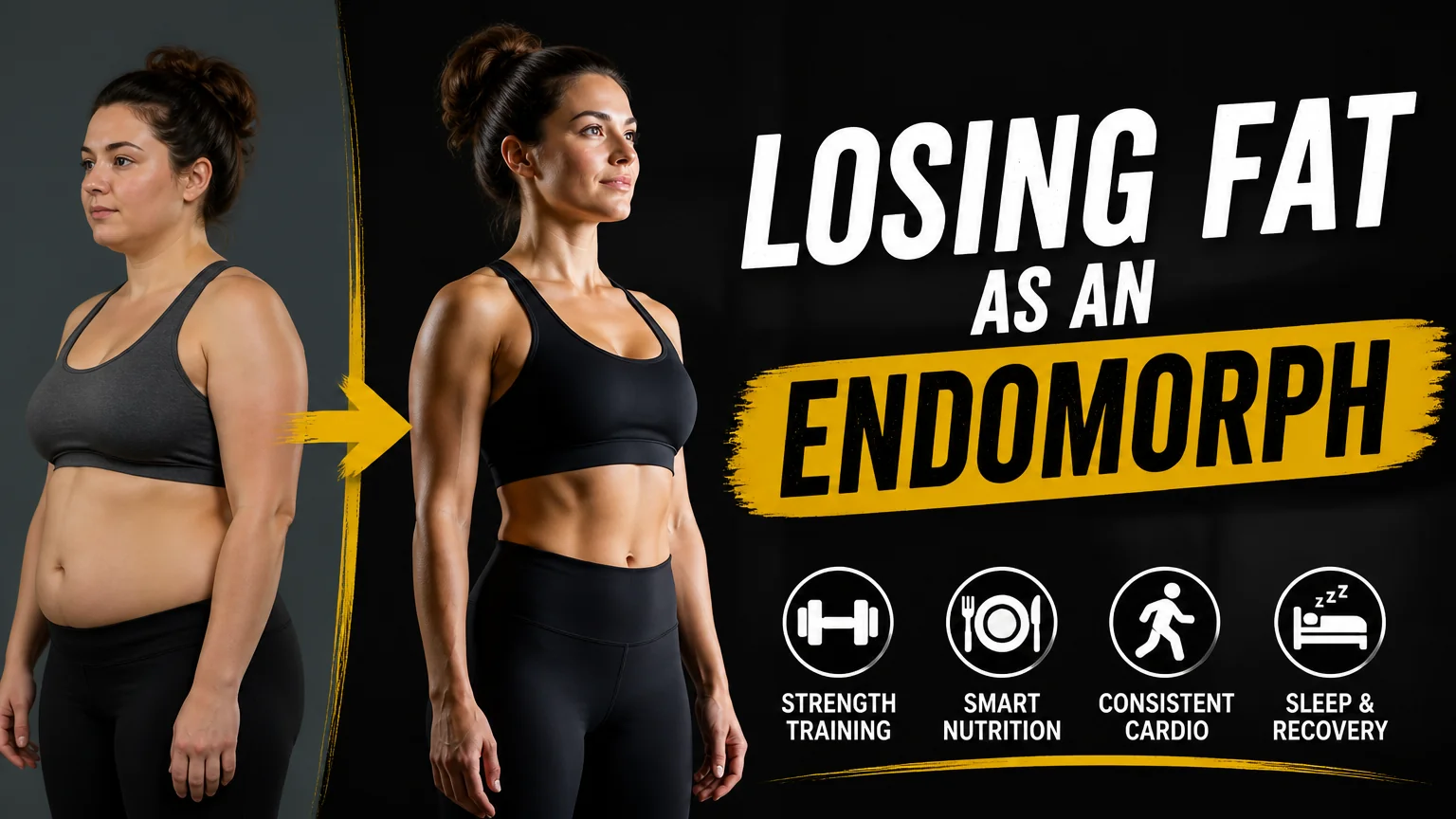
Before diving into the world of proteins, it is crucial to understand what it means to be an endomorph. Think of it as if your body has a default "setting."
Endomorphs usually have a physical constitution characterized by:
The slower metabolism of endomorphs: means their body tends to burn calories at a lower rate. This can make losing weight a challenge, but it also means they can build muscle more easily. The key is optimizing diet and exercise to work *with* your body type, not against it.
Here comes the good stuff: proteins. Why are they so important for us endomorphs?
Proteins are incredibly satiating. Have you ever noticed how you feel fuller and more satisfied after eating a plate of chicken than after eating a bag of chips? This is because proteins: help regulate appetite hormones, keeping you full longer and reducing cravings.
When you are trying to lose weight, protecting your muscle mass is crucial. Restrictive diets often lead to muscle loss, which is counterproductive because muscle burns more calories than fat, even at rest. A high-protein diet: ensures your body has the necessary building blocks to maintain and even build muscle while losing fat.
While endomorphs have a slower metabolism, proteins can help speed it up. The body: spends more energy digesting and processing proteins than carbohydrates or fats. This thermic effect of food (TEF) can give you a small but valuable edge in your battle against the scale.
Now, let's get practical: what should you be eating?
Opt for lean cuts of chicken (skinless breast), ground turkey, and lean beef: They are excellent sources of protein and relatively low in fat.
Fish and seafood: are wonderful. In addition to being rich in protein, salmon and tuna are excellent sources of omega-3 fatty acids, which are beneficial for cardiovascular and brain health.
Eggs: are a nutritional gem. They are inexpensive, easy to prepare, and packed with high-quality protein. Don't be afraid of the yolk! It contains important nutrients.
Legumes: are an excellent option for vegetarians and vegans, but they are also a valuable addition to any diet. In addition to being rich in protein, they are also a good source of fiber, which will help you feel full and regulate your digestion.
Greek yogurt and cottage cheese: are excellent options for breakfast or a snack. They are rich in protein and low in fat, making them an ideal choice for endomorphs.
To give you an idea of what a high-protein diet looks like in practice, here is an example of a 7-day meal plan.
Remember that this: is just an example. Adjust portions and foods according to your caloric needs and personal preferences. The important thing is to maintain a high intake of protein and limit refined carbohydrates and saturated fats.
For your high-protein diet to be a long-term success, keep these tips in mind:
Even with healthy foods: it is easy to overdo portions. Pay attention to the quantities you consume and use smaller plates to help you control portions.
Drinking enough water: is crucial for overall health and can also help you control your appetite. We often confuse thirst with hunger, so make sure you stay hydrated throughout the day.
Diet is important, but exercise is fundamental to maximizing results.
Cardio, such as running, swimming, or cycling: is excellent for burning calories and improving cardiovascular health.
Strength training, such as lifting weights: is crucial for building muscle and accelerating metabolism.
Avoid these common mistakes to make your diet more effective and sustainable:
While proteins are important, consuming too much protein: can put an unnecessary strain on the kidneys and won't give you additional benefits. Aim for 1.2-1.7 grams of protein per kilogram of body weight.
It is important to get protein: from a variety of sources to ensure you get all essential amino acids and other important nutrients.
Don't make the mistake of completely eliminating carbohydrates and fats. Your body: needs both to function properly. Opt for complex carbohydrates (like vegetables and whole grains) and healthy fats (like avocado, nuts, and olive oil).
Protein supplements: can be helpful, but they are not essential. If you have difficulty getting enough protein through food, a supplement can be a good option.
There are different types of protein supplements: each with its own advantages and disadvantages. Whey protein is fast-absorbing and ideal for post-workout. Casein is slow-absorbing and ideal for before bedtime. Plant-based proteins are a good option for vegetarians and vegans.
Consider your personal needs and preferences: when choosing a protein supplement. If you are lactose intolerant, opt for a plant-based protein or whey isolate protein.
Let's clarify some common myths about high-protein diets:
For people with healthy kidneys: a high-protein diet does not cause kidney damage. However, if you have a pre-existing kidney disease, it is important to consult with a doctor before increasing your protein intake.
While athletes: benefit from a high-protein diet for muscle recovery, they are also beneficial for anyone who wants to lose weight, build muscle, or improve their overall health.
With a proper planning and variety in your diet: a high-protein diet can be sustainable long-term. The important thing is to find an approach that fits your lifestyle and personal preferences.
Ultimately, a high-protein diet for endomorphs: is not just about losing weight quickly. It is about adopting a healthy lifestyle that allows you to feel better, have more energy, and achieve your long-term fitness goals. Start today and you will see the results!
1. How much protein should I consume daily if I am an endomorph?
It is recommended between 1.2 and 1.7 grams of protein per kilogram of body weight.
2. Can I eat carbohydrates on a high-protein diet?
Yes, but opt for complex carbohydrates like vegetables, fruits, and whole grains. Avoid refined carbohydrates like white bread, pasta, and sweets.
3. Is it safe to take protein supplements every day?
Yes, if you use them as a complement to a balanced diet and do not exceed the recommended dose.
4. What type of exercise is best for endomorphs following a high-protein diet?
A combination of cardio and strength training is ideal for burning fat and building muscle.
5. How long will it take to see results with a high-protein diet?
Results vary from person to person, but generally you can expect to see changes in a few weeks if you follow the diet consistently and exercise regularly.