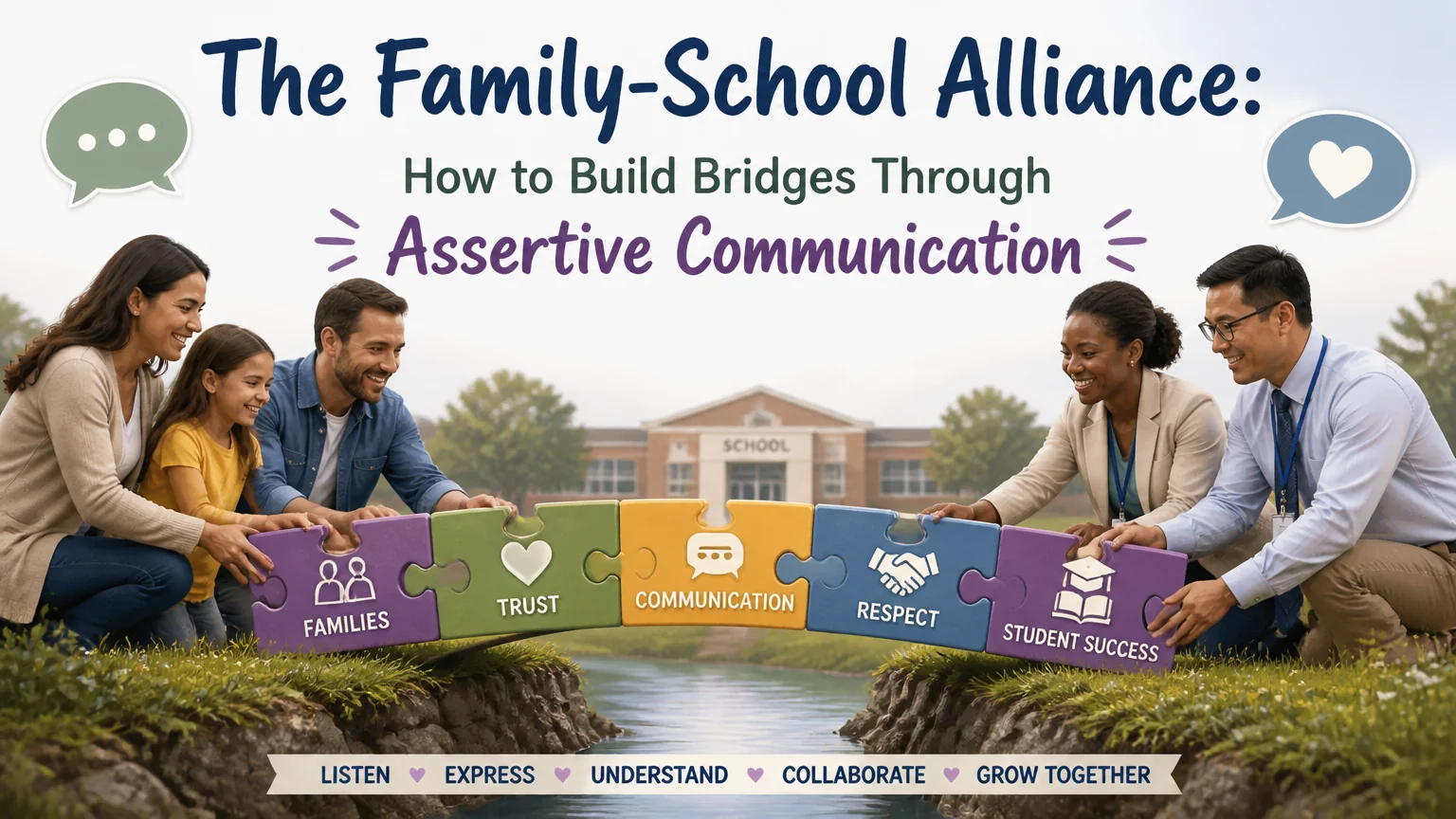
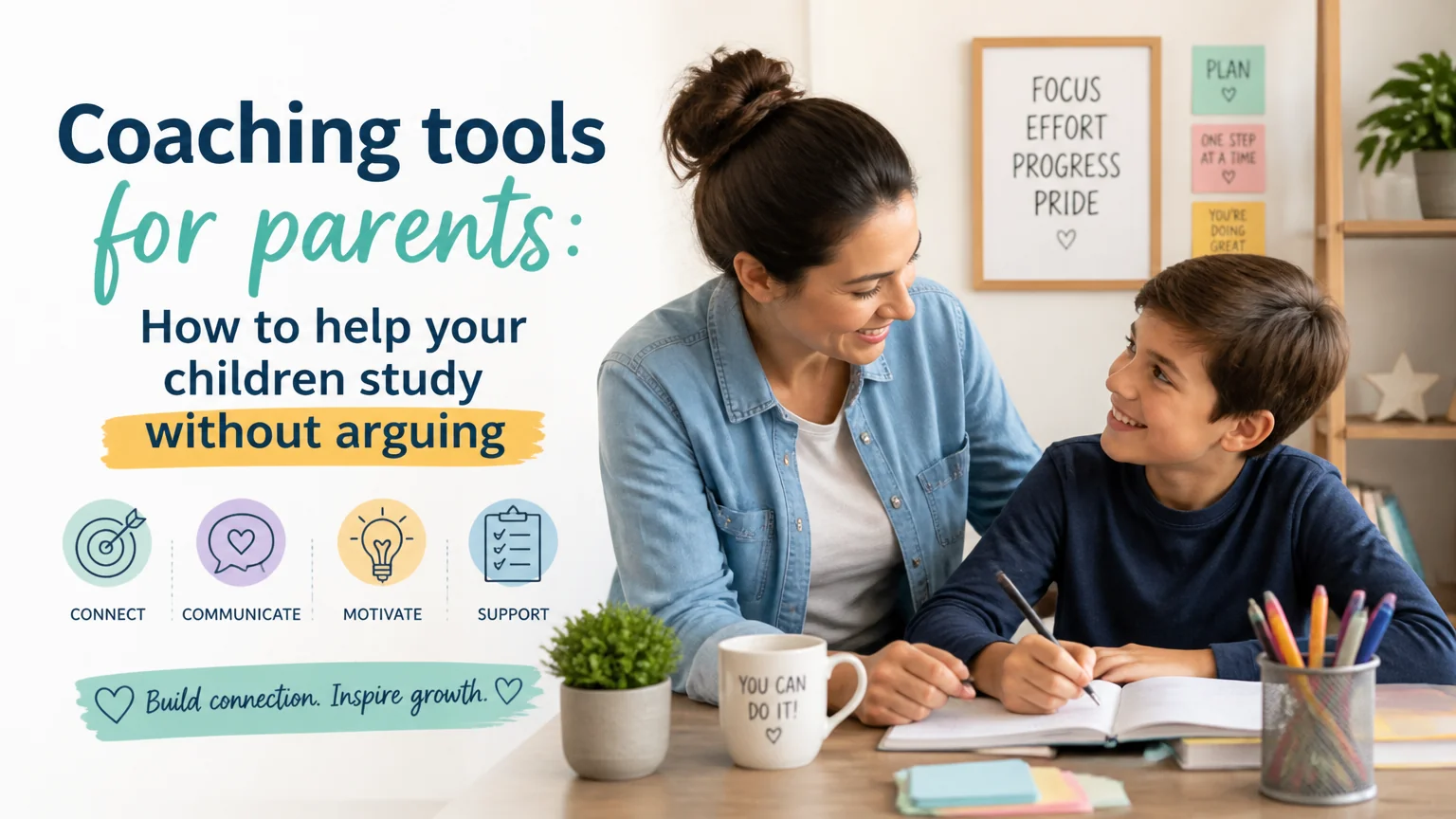
Building solid relationships between families and teachers is vital; a program focused on collaborative coaching in education will strengthen communication and mutual support.
When families and teachers listen to each other and share goals, learning becomes more meaningful and sustained. It is not just about reporting grades, but about building a relationship based on respect, empathy and clear expectations. Assertive communication is the bridge that makes that bond possible: it helps express needs without hurting, set boundaries calmly and collaborate even when there are disagreements. Below you will find a practical framework with ideas, examples and concrete steps to strengthen everyday dialogue and turn it into a real educational lever.
Why a strong collaboration makes a difference
Learning happens in community. When the family and the educational center coordinate, the student receives coherent messages, feels supported and develops healthy habits. This joint accompaniment reduces anxiety, improves attendance and promotes self-regulation. In addition, it prevents common misunderstandings: what looks like "lack of interest" is sometimes a lack of information or resources. A solid relationship transforms isolated complaints into shared goals. And, in the face of conflicts, a channel of trust prevents the problem from growing, allowing responses with data, agreements and calm.
What assertive communication is (and what it isn't)
Assertive communication combines clarity and respect. It allows saying what you think and feel without minimizing the other or giving in to aggression. It is not "being harsh" nor "staying silent"; it is speaking with intention, upholding boundaries and making room for listening.
- Passive: keeping complaints to oneself, accumulating frustration, accepting agreements that do not convince.
- Aggressive: imposing, interrupting, blaming or labeling, raising the tone to win.
- Assertive: asking, proposing and setting limits with respect, validating the other's perspective.
Applied to the educational relationship, it means expressing expectations about assignments, behavior or support at home, and at the same time recognizing family realities, learning rhythms and emotional needs.
Basic principles for dialoguing with respect
- Clarity: one objective per message, simple words and concrete examples.
- Active listening: paraphrase, ask open questions and verify understanding.
- Empathy: consider schedules, work contexts and cultural backgrounds of each family.
- Focus on the student: from "you" to "how can we help them progress".
- Data before judgments: evidence, records, rubrics and prior agreements.
- Consistency: defined channels, response times and follow-up.
Practical examples
- Instead of "your child does not pay attention", say "I noticed that in three consecutive classes they worked less than 10 minutes; I suggest active breaks and short goals".
- Rather than "you never respond", use "we did not receive a reply to the two messages; is there a more comfortable channel for you?".
Choose the right channel and timing
The medium matters as much as the message. A sensitive issue requires more containment than a logistical reminder. Coordinating expectations prevents tensions and wasted time.
- Brief messages: homework, reminders, authorizations.
- Email or digital planner: agreements, reports, materials.
- Calls or meetings: behavior, wellbeing, significant changes.
- Emergencies: clear protocols and updated contacts.
- Hours: respond within reasonable time windows and communicate turnaround times.
A good practice is to send an initial guide with channels, office hours and response deadlines, and to remind these agreements at the start of each term.
Preparing difficult conversations
Before
- Define a specific and observable objective.
- Gather evidence: work, rubrics, class notes, observations.
- Anticipate questions and possible available supports.
During
- Begin by validating: "I appreciate your time" or "I value your effort".
- Describe facts without labels; use examples and timeframes.
- Pause to listen and ask "how do you see this at home?"
- Co-create a brief plan with responsible persons and deadlines.
After
- Send a written summary with agreements and dates.
- Set a checkpoint to review progress and adjust.
Include and support all families
Realities are diverse: rotating schedules, different cultures, languages, neurodivergence or digital accessibility. Assertiveness also means adapting the message so it reaches who it needs to reach.
- Simple language and, if possible, materials in more than one language.
- Meeting options: in-person, virtual and calls outside standard hours.
- Visual support: infographics, task examples, short videos.
- Neutrality in complex family situations; ask for contact preferences.
When a family cannot attend, provide clear alternatives: recordings, summarized minutes or tutorials at another time.
Concrete actions for teachers and for families
For the teaching team
- Send "good news bulletins" that recognize efforts.
- Establish a message template with structure: reason, evidence, proposal.
- Reserve a weekly block to respond to communications.
- Use shared rubrics so criteria are transparent.
For families
- Frame questions positively: "what can I do at home to support?"
- Share relevant information: routine changes, external support, interests.
- Check the agreed channel twice a week.
- Celebrate small achievements and tell the teacher; reinforcement matters.
Manage conflicts without breaking the bond
Disagreements are inevitable, but they can be constructive. Avoiding generalizations, comparing with other students or using labels prevents escalation. Focusing on behaviors and plans reduces friction.
- Use first-person phrases: "I am concerned...", "I need..."
- Name the limit and the reason: "for safety, we need..."
- Propose two or three viable alternatives and agree on the next action.
- Ask for a pause if emotions rise and reschedule calmly.
Measure and maintain the alliance over time
What is measured improves. Defining simple indicators helps sustain the quality of dialogue and adjust strategies.
- Participation: attendance at meetings, response rate.
- Climate: brief satisfaction surveys and perception of support.
- Progress: advances in agreed goals, on-time submissions.
- Incidents: resolution time and recurrence of problems.
A quarterly review allows identifying patterns, recognizing good practices and renewing commitments with specific actions.
30-day plan to strengthen dialogue
Week 1: agreements and mapping
- Define channels, hours and response times.
- Send a welcome with clear expectations and key resources.
Week 2: trust and recognition
- Share at least one positive observation per student.
- Invite families to share home interests and routines.
Week 3: goals and supports
- Select a short goal per student and agree on how to measure it.
- Provide examples of home support of 10-15 minutes.
Week 4: evaluation and adjustment
- Review progress with brief data and ask for feedback.
- Adjust channels or rhythms according to what worked best.
Common mistakes and how to avoid them
- Accumulating messages: better to be little and frequent than a lot and sporadic.
- Only speaking up when there are problems: balance with positive reinforcements.
- Assumptions: ask before concluding, confirm in writing.
- Excessive technical language: translate criteria and give examples.
- Not closing agreements: always define who does what and when.
A closing that opens doors
Assertive communication is not a rigid script, but a practice learned through consistency. Each message is an opportunity to align objectives, give the student security and weave trust. With clarity, empathy, data and follow-up, everyday dialogue becomes a firm bridge that supports wellbeing and academic progress. Starting today with a small change — a clearer message, more attentive listening, a more specific agreement — can transform the classroom dynamic and families' spirits. Bridges are built step by step.
 For Onlinecourses55
|
2026-10-16
For Onlinecourses55
|
2026-10-16