For Onlinecourses55
|
2026-04-13
For Onlinecourses55
|
2026-04-13
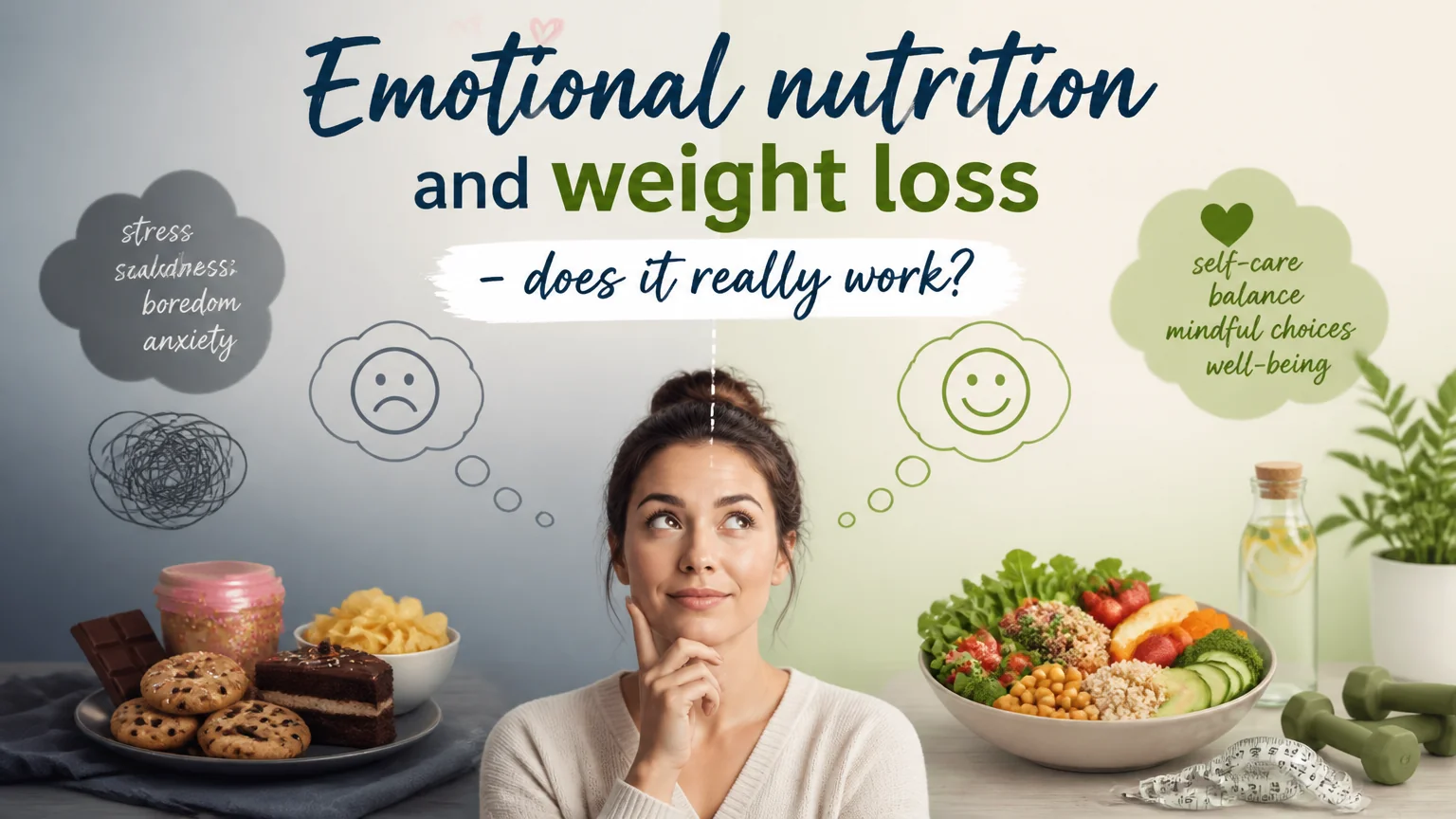
Emotional nutrition and weight loss - does it really work? - emotional nutrition
If you often find yourself eating not out of hunger but as a response to stress or boredom, it's time to delve into the roots of these behaviors. For effective strategies to foster a more mindful approach, check out the course on transforming your relationship with food through emotional insight for sustainable change.
Many times we try to lose weight with strict diets and exercise, but we are surprised that the pounds come back or that we are unable to maintain the changes. Behind that frustration are often emotions: stress, boredom, sadness or anxiety can push us to eat even when there is no physical hunger. Understanding how feelings and thoughts influence our relationship with food is key to achieving sustainable changes. In this text we explore concepts, evidence and practical tools to manage emotional eating and promote a more stable and healthy weight loss process.
Emotional eating refers to the habit of using food to regulate affective states. It does not always respond to physiological hunger. Many people eat to calm anxiety, celebrate, avoid uncomfortable feelings, or simply to entertain themselves. This pattern can lead to high-calorie food choices and episodes of impulsive eating. Recognizing this difference between physical appetite and emotional appetite is the first step to intervene more effectively.
Emotions activate brain circuits linked to reward. When we eat something pleasurable, neurotransmitters such as dopamine are released, which reinforce the behavior. In situations of chronic stress, cortisol can increase appetite and preference for energy foods. In addition, learned habits and associations between context and food cause certain situations to trigger the desire to eat without thinking. Knowing these mechanisms helps to understand why simply wanting to lose weight is not always enough.
Studies show that emotional regulation influences the outcomes of weight loss programs. Interventions that incorporate psychological techniques such as cognitive-behavioral therapy or mindfulness-based therapy often improve intake control and adherence to lifestyle changes. However, the magnitude of the effect varies from person to person and type of program. There is no universal solution, but integrating behavioral and nutritional approaches increases the likelihood of long-term success.
Detecting when food serves an emotional function is helpful in changing patterns. Some common cues help differentiate physical hunger from affective drive.
Working on emotional eating requires patience and practice. Here are concrete tools that can be incorporated little by little.
Keeping a brief record of when and why you eat helps to locate patterns. Writing down the emotion, the situation and the type of food for a week allows you to see associations that go unnoticed. With that information, specific alternative responses can be designed.
Practicing mindfulness techniques makes it easier to distinguish physical hunger from emotional craving. Before eating, pausing for two or three minutes to identify sensations, emotions and hunger levels can reduce impulsive intakes. Mindful breathing and body checks are simple and effective tools.
Planning regular meals and healthy snacks avoids glucose dips that increase the urge to eat. Having nutritious options ready reduces the likelihood of choosing ultra-processed foods. It is also helpful to prepare alternatives for emotions: a short walk, a call to a friend, writing in a notebook, or a creative activity that diverts attention.
Having support increases the options for change. A nutritionist who integrates psychological aspects or a psychologist with expertise in eating disorders can offer personalized strategies. Support groups or friends who understand the process also provide support and shared responsibility.
Small changes at home and at work make it easier to make healthier choices. Keeping tempting foods out of reach, having controlled portions and taking healthy snacks with you when you go out reduces impulsive decisions. In addition, establishing sleep and physical activity routines supports emotional balance.
Changing the emotional relationship with food is not linear. There will be setbacks and trial and error. The important thing is to learn from relapses without turning them into total failures. Setting small goals, celebrating progress and focusing on sustainable habits is often more effective than drastic changes. Improving emotional self-regulation and creating alternative resources to manage affective states contributes to longer lasting weight loss.
If the relationship with food generates intense discomfort, frequent loss of control, negative medical effects or seriously interferes with daily life, it is advisable to consult. Health professionals can assess whether there is an eating disorder, a mental health problem or whether an integrated eating and therapy plan is needed. Asking for help is a step of caring, not weakness.
Incorporating simple changes can make a difference. The following are suggested concrete actions for day-to-day living; trying a few over several weeks helps to evaluate their personal effect.
A gentle, realistic approach to food and emotions builds lasting change. It's not about eliminating pleasure, but expanding ways to take care of yourself and resolve emotions without always relying on food. Start with small steps, see what works for you and adjust as needed. With consistency and support, it is possible to improve your relationship with food and, as a result, achieve more sustainable weight goals and a higher quality of life.
Start today with one small step.
Search
Popular searches