For Onlinecourses55
|
2025-12-24
For Onlinecourses55
|
2025-12-24
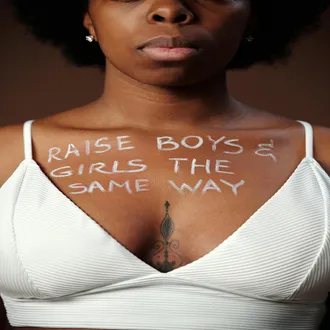
History of feminism: the 3 waves that changed our rights - gender equality
As we reflect on the multifaceted journey of feminism, it becomes clear that understanding the pursuit of equal rights is vital. You can delve deeper into this transformative topic by exploring how to champion the cause of fairness and equality in society to contribute to a brighter future for all.
Feminism, a complex and multifaceted social and political movement, has shaped the modern world in profound and irrevocable ways. Throughout history, women have fought tirelessly for equality, justice and the recognition of their fundamental rights. This article explores the three main "waves" of feminism, each with its own goals, strategies and key figures, which have contributed to the radical transformation of society and the advancement of women's rights.
The first wave of feminism, which spanned from the 19th century to the early 20th century, focused primarily on obtaining the right to vote for women. This movement, born in a context of deep social and political inequalities, sought to challenge patriarchal structures that denied women full citizenship. Emblematic figures such as Emmeline Pankhurst in the United Kingdom and Susan B. Anthony in the United States led the fight for women's suffrage, organizing protests, demonstrations and awareness campaigns.
Key points of the first wave:
The most significant achievement of the first wave was the attainment of the right to vote in many Western countries, including New Zealand (1893), the United Kingdom (1918 for some women, 1928 for all) and the United States (1920). However, the struggle for real and complete equality would continue in subsequent waves.
The second wave of feminism, which emerged in the 1960s and 1970s, broadened the focus of the first wave and addressed a wider range of issues related to gender equality. Influenced by the civil rights movements and the sexual liberation movement, this wave focused on critiquing the patriarchy, fighting for equality in the workplace, defending reproductive rights and denouncing gender-based violence.
Key figures of the second wave:
The third wave of feminism, which emerged in the 1990s, is characterized by its focus on intersectionality, diversity and empowerment. This wave recognizes that women are not a homogeneous group and that their experiences are shaped by a variety of factors, such as race, social class, sexual orientation, gender identity and disability. The third wave seeks to challenge traditional gender norms, promote inclusion and celebrate the diversity of female identities.
Some argue that we are experiencing a "fourth wave" of feminism, driven by the rise of social media and growing awareness of issues such as sexual harassment, online violence and persistent wage inequality. This potential fourth wave is characterized by its focus on social justice, inclusion and the decolonization of feminism, seeking to build a more inclusive and equitable movement for all people.