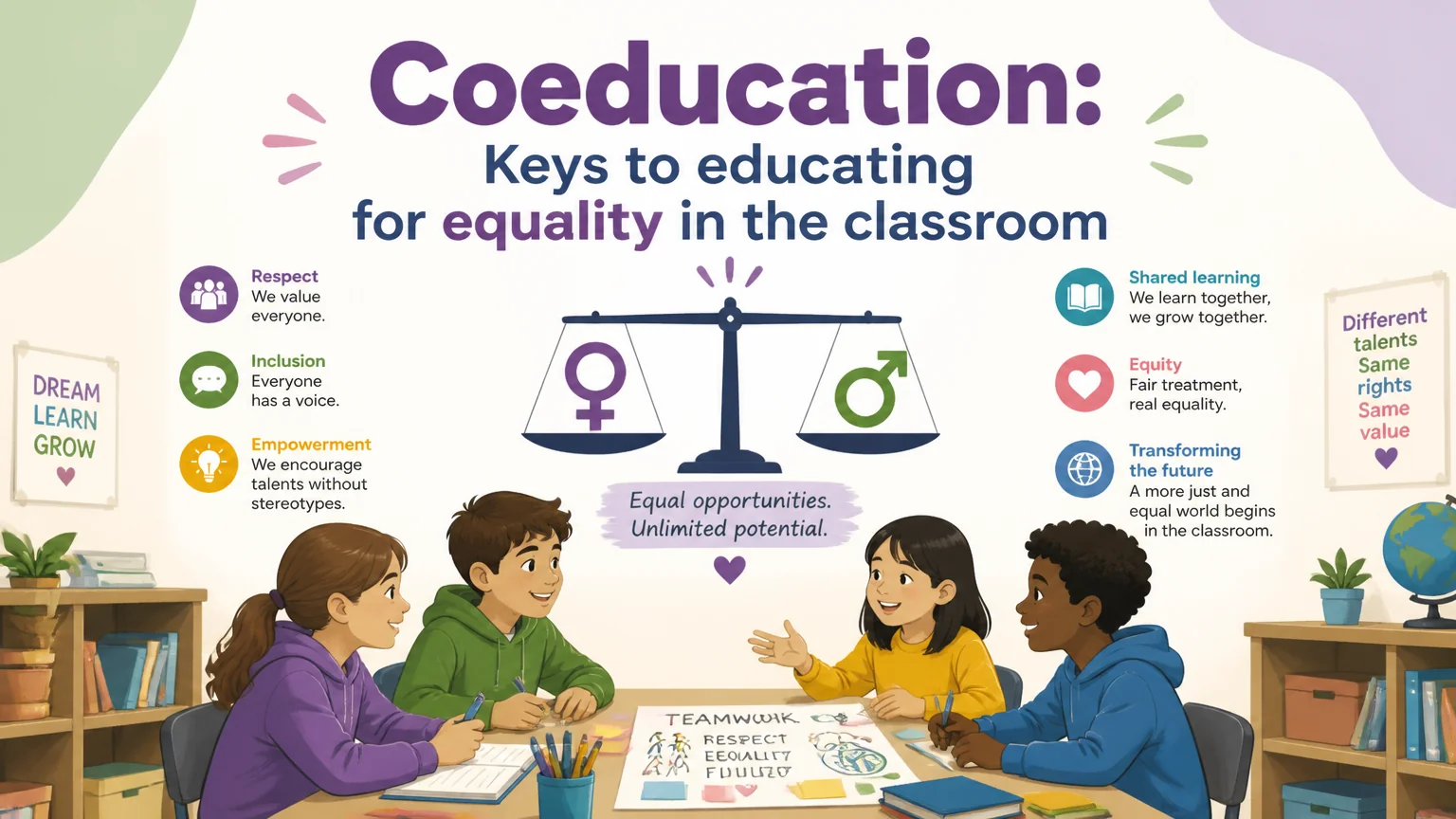
Occupational segregation: jobs for men and jobs for women? - gender equality
Understand occupational segregation and learn how our course on creating equitable workplaces can eliminate gender disparities is vital for progress.
What Is Occupational Segregation and Why Should We Care?
Occupational segregation, at its core, refers to the unequal distribution of men and women across different occupations and sectors of the labor market. It is not simply a statistical curiosity, but a complex phenomenon with deep social and economic implications.
Imagine a world where certain professions are considered "naturally" more suitable for one gender than another. This not only limits individual opportunities but also perpetuates harmful stereotypes and contributes to the persistence of wage and power inequality.
Occupational segregation manifests in two main forms: horizontal and vertical. Horizontal segregation refers to the concentration of men and women in different types of occupations. For example, a high proportion of women in primary education and nursing, contrasted with a greater male presence in construction and engineering.
Vertical segregation, on the other hand, describes the concentration of men in higher-ranking and more responsible positions, while women are more frequent in lower levels, even within the same profession. This phenomenon is often associated with the concept of the "glass ceiling," which impedes the advancement of women to leadership positions.
The Roots of the Problem: Causes of Occupational Segregation
Understanding the causes of occupational segregation is essential to addressing the problem effectively. There is no single explanation, but rather a combination of interrelated factors that contribute to this inequality.
- Gender Stereotypes: From an early age, boys and girls are socialized with different expectations and roles. They are encouraged to develop skills and aspirations considered "appropriate" for their gender, which influences their educational and career choices.
- Education and Training: Although women outperform men in educational attainment in many countries, there are still differences in fields of study. Women tend to choose careers in the humanities and social sciences, while men are more likely to opt for STEM fields (science, technology, engineering, and mathematics).
- Workplace Discrimination: Discrimination, both conscious and unconscious, plays an important role in occupational segregation. Employers may hold biases about the abilities and commitment of men and women in certain jobs, which influences their hiring and promotion decisions.
- Work–Life Balance: Women have traditionally taken on greater responsibility for childcare and household tasks. This can hinder their professional advancement, especially in occupations that require long hours or constant availability.
- Lack of Role Models: The scarcity of women in leadership positions in certain industries can discourage other women from pursuing those careers. The lack of visible role models can create the perception that those professions are not accessible or welcoming to women.
Consequences of Occupational Segregation: A Negative Impact on Society
Occupational segregation not only affects individuals but also has negative consequences for society as a whole.
- Gender Pay Gap: One of the most evident consequences is the persistence of the gender pay gap. Women, on average, earn less than men, even when doing the same job or having the same level of education. Part of this difference is explained by the concentration of women in lower-paid occupations.
- Loss of Talent: Occupational segregation prevents companies and society from making the most of the available talent. By limiting opportunities for women and men based on gender, valuable skills and perspectives are wasted.
- Lower Innovation and Productivity: Workplace diversity, including gender diversity, has been shown to drive innovation and productivity. Occupational segregation reduces diversity and thus limits potential economic growth.
- Perpetuation of Stereotypes: Occupational segregation reinforces gender stereotypes and contributes to their perpetuation. This can have a negative impact on the self-esteem and aspirations of boys and girls.
- Social Inequality: Occupational segregation contributes to social inequality in general. By limiting the economic opportunities of certain groups, gaps between rich and poor widen and social mobility becomes more difficult.
Strategies to Combat Occupational Segregation: Toward a More Equal Future
Combating occupational segregation requires a comprehensive approach involving governments, companies, educational institutions, and society at large.
- Promoting Gender Equality in Education: It is essential to challenge gender stereotypes from an early age and encourage boys and girls to explore a wide range of interests and skills.
- Encouraging Diversity in STEM Careers: Programs should be implemented to attract and retain more women in STEM fields, offering scholarships, mentoring, and professional development opportunities.
- Workplace Equality Policies: Companies should adopt policies that promote equal opportunities in hiring, promotion, and compensation. This includes implementing fair and transparent selection processes, eliminating unconscious biases, and promoting pay transparency.
- Support for Work–Life Reconciliation: Policies that facilitate work–life balance should be implemented, such as flexible hours, paid parental leave, and childcare services.
- Awareness and Education: It is important to raise awareness about the negative effects of occupational segregation and promote a culture of gender equality.
- Promoting Role Models: Raising the visibility of women and men who have overcome gender barriers in their respective professions can inspire others to follow in their footsteps.
Conclusion: A Collective Commitment to Equality
Occupational segregation is a complex problem that requires a collective commitment to eradicate. By working together to challenge stereotypes, eliminate discrimination and promote equal opportunities, we can build a more just and equal future for everyone. A future where skills and talent are the only relevant criteria for choosing a profession, regardless of gender.
 For Onlinecourses55
|
2026-03-09
For Onlinecourses55
|
2026-03-09