For Onlinecourses55
|
2025-11-28
For Onlinecourses55
|
2025-11-28

How does the keto diet affect cholesterol online course? - ketogenic nutrition
Don't hesitate to join an interactive course on keto dieting that can provide you with a clear roadmap to achieve your health aspirations.
Before discussing cholesterol, we need to understand what the keto diet is. Basically, it is a very low-carbohydrate, moderate-protein, and high-fat diet. The main goal is to induce a metabolic state called ketosis. Does it sound complicated? Don't worry, we'll explain it!
In ketosis, your body starts using fat as its main energy source instead of carbohydrates. When you consume very few carbohydrates, the liver converts fat into ketones, which are then used by the cells as fuel. Imagine your body is a car: normally it runs on gasoline (carbohydrates), but on the keto diet, it switches to running on fat (ketones).
The keto diet is based on a specific ratio of macronutrients. Generally, it is recommended that your daily intake comes from:
Note! This ratio may vary slightly depending on your individual needs and goals.
Now, let's talk about cholesterol. Cholesterol is a waxy, fat-like substance found in all cells in your body. It is essential for many bodily functions, such as hormone production and cell building. However, having too much cholesterol in the blood can be problematic.
LDL cholesterol (low-density lipoprotein) is often known as "bad" cholesterol because it can build up in the walls of the arteries and form plaque, which increases the risk of heart disease. But is it really that bad? LDL is necessary to transport cholesterol to the cells. The problem arises when there is too much LDL and it oxidizes, making it easier for it to accumulate in the arteries.
HDL cholesterol (high-density lipoprotein) is considered "good" cholesterol because it helps remove LDL cholesterol from the arteries and transports it back to the liver for elimination. Having high HDL levels is associated with a lower risk of heart disease.
This is where things get interesting. The keto diet can have variable effects on cholesterol, and the results of scientific studies are mixed.
Some studies have shown that the keto diet can increase LDL cholesterol levels in some people, while reducing them or having no significant effect in others. Why this variability? It depends on individual factors such as genetics, the type of fats consumed, and the metabolic response of each person.
In general, the keto diet tends to increase HDL cholesterol levels, which is beneficial for cardiovascular health. This increase may be due to the higher consumption of healthy fats, which stimulate HDL production.
One of the most consistent benefits of the keto diet is its ability to reduce triglyceride levels, a type of fat in the blood that can increase the risk of heart disease. By reducing carbohydrate consumption, the keto diet decreases the production of triglycerides in the liver.
The keto diet is not for everyone. It is crucial to consider certain factors before embarking on this eating style.
If you have any pre-existing medical conditions, such as kidney, liver, pancreas problems, or cholesterol issues, it is essential that you consult your doctor before starting the keto diet. In some cases, the keto diet may not be suitable and could exacerbate certain conditions.
If you decide to try the keto diet, it is important that you monitor your cholesterol levels regularly.
The frequency with which you should check your cholesterol levels will depend on your individual situation and your doctor's recommendations. Generally, it is recommended to do so at the beginning of the keto diet and then every 3-6 months to assess how it is affecting your lipid profile.
Do you want to learn how to manage your cholesterol safely while enjoying the benefits of the keto diet? We have the solution! We have created a comprehensive and practical online course where we will guide you step-by-step so you can optimize your cardiovascular health with the keto diet.
Even if you are on the keto diet, you can take steps to keep your cholesterol at healthy levels.
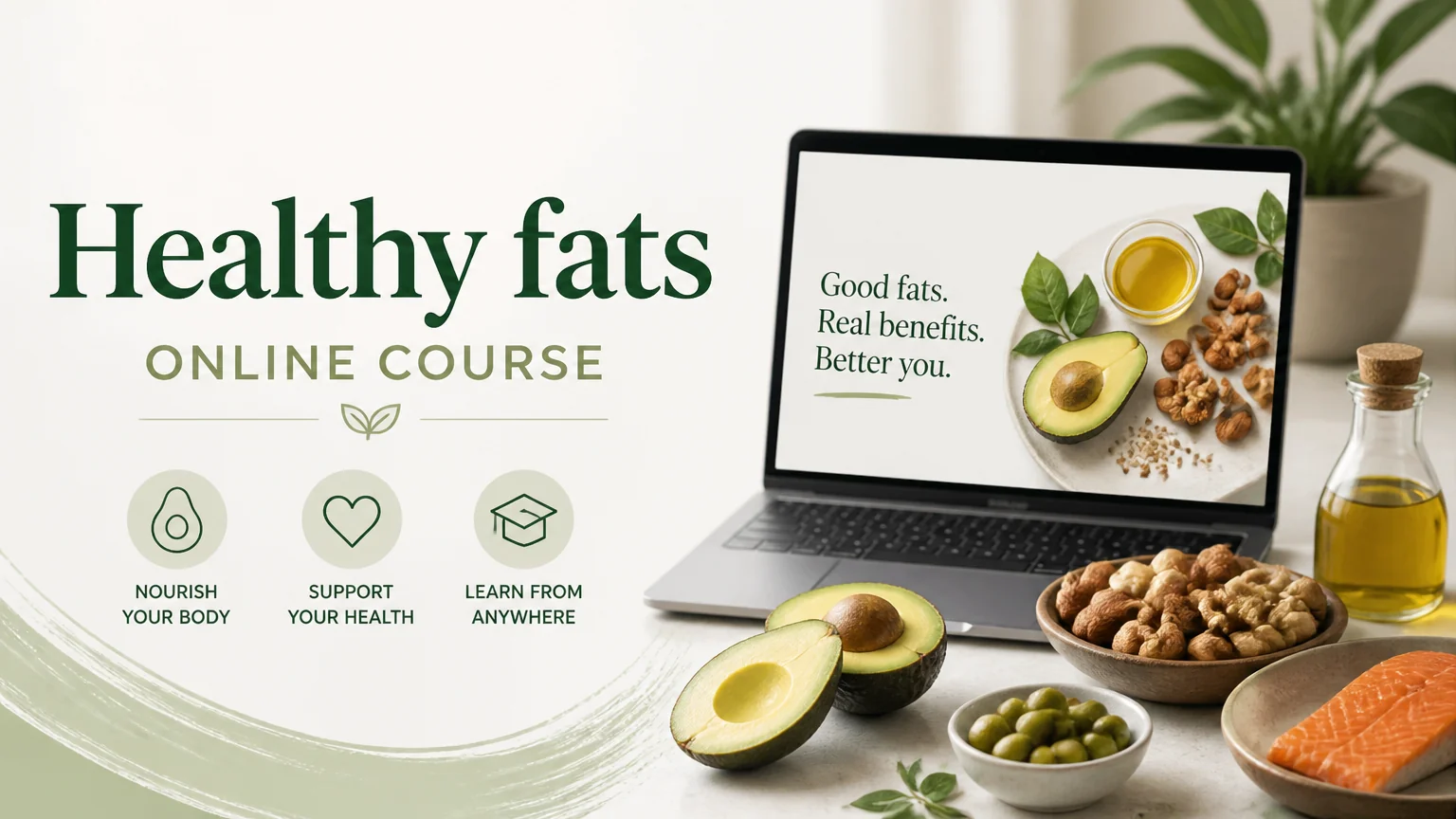
Prioritize healthy fats such as avocado, olive oil, nuts, seeds, and fatty fish. Avoid trans fats and limit saturated fats, especially those that come from processed foods.
There are many myths surrounding the keto diet and cholesterol. Let's debunk them!
Myth: Eating saturated fats always increases LDL cholesterol. Reality: The effect of saturated fats on LDL cholesterol can vary depending on the person and the type of saturated fat.
Myth: The keto diet is dangerous for the heart. Reality: The keto diet can be beneficial for the heart if done correctly and healthy fats are prioritized.
Myth: Cholesterol is always bad. Reality: Cholesterol is essential for many bodily functions, and it is only harmful when levels are unbalanced.
The keto diet can be a powerful tool to improve your cardiovascular health, including your cholesterol levels. However, it is crucial that you approach it with knowledge, caution, and the guidance of a healthcare professional. If you are considering the keto diet, we invite you to enroll in our online course so you can learn how to manage your cholesterol safely and effectively. Your health is the most important thing!
1. Does the keto diet always increase LDL cholesterol?
Not necessarily. Some people experience an increase, while others see a decrease or no significant change. It depends on individual factors.
2. What should I do if my LDL cholesterol increases on the keto diet?
Consult your doctor or nutritionist. They can recommend adjustments to your diet or lifestyle to optimize your cholesterol levels.
3. Can I follow the keto diet if I have high cholesterol?
Yes, but it is essential that you do so under the supervision of a healthcare professional and that you monitor your cholesterol levels regularly.
4. What are the best fats to consume on the keto diet to improve cholesterol?
Prioritize monounsaturated fats (avocado, olive oil) and omega-3 fatty acids (fatty fish).
5. Is the online course suitable for beginners on the keto diet?
Absolutely! The course is designed for people of all levels, from beginners to keto diet experts. We will guide you step-by-step so you can optimize your cardiovascular health safely and effectively.
Search
Popular searches