For Onlinecourses55
|
2026-01-08
For Onlinecourses55
|
2026-01-08

Carnivore diet and blood pressure - nutrition carnivore
Want to understand the impacts on blood pressure? This article provides insights, but for a thorough comprehension, sign up for a detailed course on carnivore nutrition that discusses all the facets.
Hello everyone! Lately, there’s been non-stop talk about the carnivore diet. It seems everyone has an opinion on it, from its most passionate proponents to its most staunch detractors. But what is true about all this commotion? Is the carnivore diet truly a health panacea, or is it a fleeting trend with hidden risks? In this article, we will focus on a crucial aspect: its impact on blood pressure. So, get ready for an informative journey!
Before diving into the intricacies of blood pressure, let's make sure we are all on the same page. The carnivore diet, in essence, is a restrictive diet based almost exclusively on the consumption of animal products. Yes, you read that right: almost no plants!
The diet primarily consists of:
The list of forbidden foods is considerable and includes:
Now, let's talk about blood pressure. We often hear it mentioned, but do we really understand what it means? Blood pressure is the force exerted by the blood against the walls of the arteries. It is like the water pressure in a hose. Healthy blood pressure is essential for blood to flow correctly and deliver oxygen and nutrients throughout the body.
Blood pressure is measured with two numbers:
Generally, high blood pressure (hypertension) is considered when the reading is consistently 130/80 mmHg or higher. Hypertension is a silent condition that can damage the heart, kidneys, brain, and other organs if left untreated.
This is where things get interesting. How does the carnivore diet affect blood pressure? The answer is not as simple as a yes or a no. There are arguments for and against.
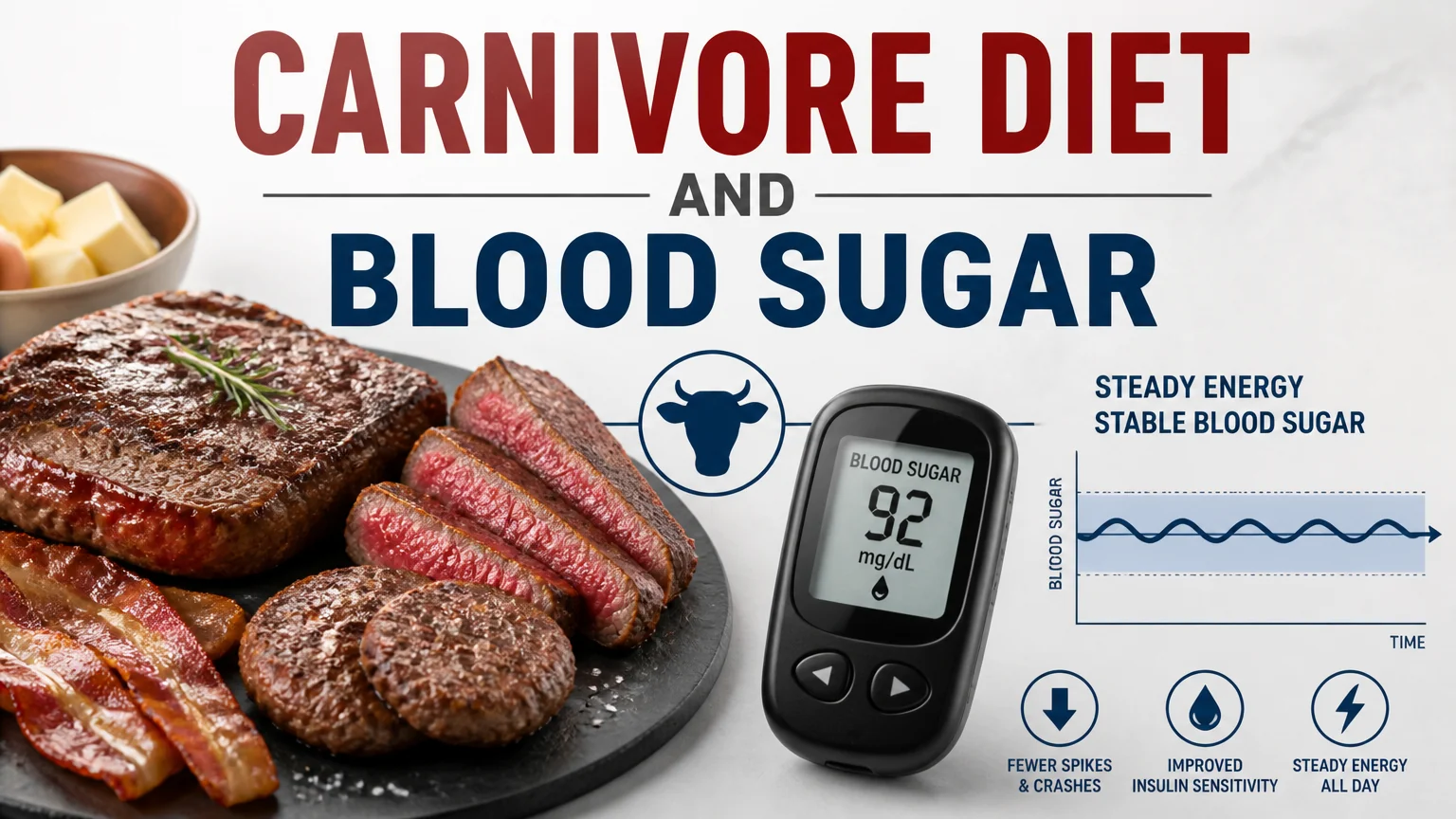
Some proponents of the carnivore diet argue that it can help lower blood pressure due to the elimination of processed carbohydrates and sugars. When we consume many refined carbohydrates, the body produces more insulin, which can lead to sodium retention and, consequently, increase blood pressure. By eliminating these foods, the carnivore diet could help stabilize blood sugar levels and reduce sodium retention.
On the other hand, critics point out that the carnivore diet is often high in sodium and saturated fats, two factors that can contribute to hypertension. Many animal products, especially processed meats, contain high amounts of sodium. Furthermore, excessive consumption of saturated fats can increase LDL ("bad") cholesterol, which can damage the arteries and raise blood pressure. Could too much bacon be counterproductive? It could be!
The truth is that scientific evidence regarding the carnivore diet and its impact on blood pressure is limited. Most studies are small and uncontrolled. Some anecdotal studies suggest that some people experience a reduction in blood pressure when following the carnivore diet, while others see no change or even experience an increase. More rigorous research is needed to fully understand the long-term effects of this diet on blood pressure.
Before diving headfirst into the carnivore diet, it is essential that you take into account some important considerations, especially if you have a history of blood pressure problems.
First and foremost: talk to your doctor or a registered dietitian! They can assess your general health status, your individual risks, and help you determine if the carnivore diet is suitable for you. Do not self-diagnose or self-prescribe extreme diets without professional guidance.
If you decide to try the carnivore diet, it is crucial that you monitor your blood pressure regularly. You can do this at home with a blood pressure monitor or at your doctor's office. Keep a record of your readings and share them with your doctor so they can assess how your body is responding to the diet.
Pay attention to any symptoms or warning signs you may experience, such as headaches, dizziness, blurred vision, chest pain, or difficulty breathing. These symptoms could indicate a problem with your blood pressure and require immediate medical attention.
If you decide to try the carnivore diet, here is an example menu that could help you maintain healthy blood pressure:
Remember that this is just an example, and you can adapt it to your preferences and needs. The important thing is to choose lean cuts of meat, limit the consumption of sodium and saturated fats, and ensure you get enough essential nutrients.
In summary, the carnivore diet can have an impact on blood pressure, but this impact can vary from person to person. Some people may experience a reduction in blood pressure due to the elimination of processed carbohydrates and sugars, while others may experience an increase due to high consumption of sodium and saturated fats. The scientific evidence regarding the carnivore diet and its impact on blood pressure is limited, and more research is needed. If you are considering trying the carnivore diet, it is essential that you talk to your doctor, monitor your blood pressure regularly, and pay attention to any symptoms or warning signs. Navigate with care! It's like trying to cross a river: it's better to know where you step!
Not necessarily. It depends on various factors, such as your general health status, the severity of your hypertension, and how your body responds to the diet. It is crucial to consult with a doctor before starting.
Yes, you can eat chicken, but choose lean cuts and avoid the skin, which is rich in saturated fats.
Avoid processed meats, such as bacon and sausages, which are often high in sodium. Opt for fresh cuts of meat and season them with herbs and spices instead of salt.
It may be necessary to take supplements, especially if you have nutritional deficiencies. Consult with your doctor to determine which supplements are right for you.
There is no defined timeframe. Some people may experience changes in blood pressure within a few weeks, while others may take longer. It is important to be patient and monitor your blood pressure regularly.
Search
Popular searches