For Onlinecourses55
|
2026-08-20
For Onlinecourses55
|
2026-08-20
Fats in the carnivore diet - nutrition carnivore
Curious about the role of fats in your diet? Uncover their importance with the guidance of our informative course on carnivore nutrition that explains everything you need to know.
Hello, carnivores! If you're here, you probably already know the incredible benefits of the carnivore diet. But have you ever wondered what role fats play in this lifestyle? The truth is, fat isn't just an accompaniment—it's a fundamental part! In this ultimate guide, we are going to dive into the world of carnivore fats, exploring why they are crucial, which types you should prioritize, and how to consume them correctly. Get ready to unlock the true potential of your carnivore diet.
Forget the myths about fats. In the carnivore diet, fat is your best friend. Why? I'll explain!
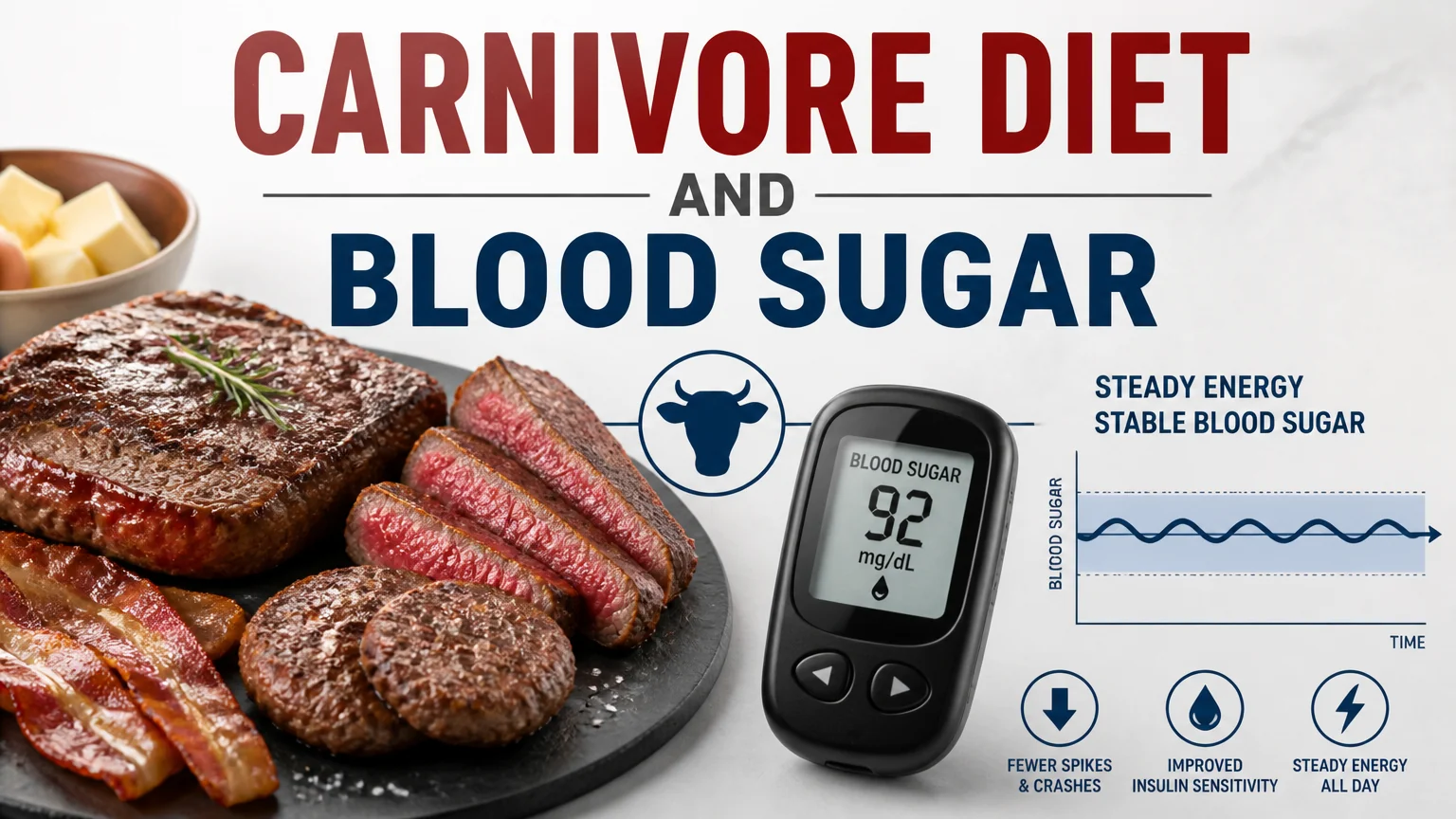
Unlike conventional diets that rely on carbohydrates, the carnivore diet relies on fat as the main energy source. When you eliminate carbohydrates, your body enters a state of ketosis, where it burns fat for energy. And what better source of fat than that which comes from healthy, well-fed animals? None!
Think of it as switching from premium gasoline to rocket fuel. Your body will thank you!
Beyond energy, fat plays a crucial role in:
Not all fats are created equal, especially in the context of the carnivore diet. Here are the main types you need to know:
Saturated fats have been demonized for decades, but modern science is proving they are essential for health. In the carnivore diet, saturated fats are your foundation.
Butter and ghee (clarified butter) are excellent sources of saturated fats. Ghee is especially good if you are lactose sensitive, as it is removed during the clarification process. Use them to cook your meats, add flavor to your dishes, or even eat them by the spoonful!
Beef tallow is the fat surrounding the cow's kidneys. It is a rich source of saturated fats and nutrients. Traditionally, it has been used for cooking and frying foods, giving them a delicious flavor and a crispy texture. Don't underestimate it!
While saturated fats are the foundation, monounsaturated fats can also have a place in your carnivore diet.
Although olive oil is not of animal origin, some carnivores include it in moderation for its flavor and health benefits. However, remember that it is a processed food and may not be ideal for everyone. If you use it, choose high-quality extra virgin olive oil and consume it sparingly.
Polyunsaturated fats (PUFAs) are more delicate and can oxidize easily, which can generate inflammation in the body. In the carnivore diet, it is best to limit their consumption.
PUFAs include omega-6 and omega-3 fatty acids. It is important to maintain a healthy balance between the two. Meats from pasture-raised animals tend to have a more favorable omega-3 to omega-6 ratio. Avoid processed vegetable oils, which are rich in omega-6 and can unbalance this ratio.
This is a common question, and the answer can vary depending on your individual needs.
The best way to determine how much fat you need is to listen to your body. Pay attention to your energy levels and your satiety signals. If you feel fatigued or have cravings, you may not be consuming enough fat. If you feel too full or have digestive issues, you may be consuming too much.
As a general rule, aim to get at least 70-80% of your calories from fat. This means that if you consume 2000 calories a day, you should consume between 1400 and 1600 calories coming from fat. Remember that this is just a guide, and it is important to adjust your macronutrients according to your individual needs.
Now that you know which types of fat you should prioritize, let's look at where to find them:
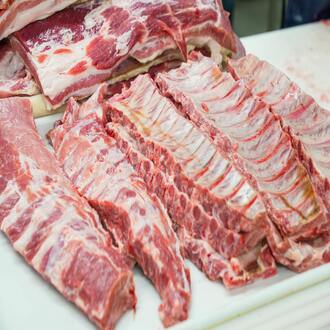
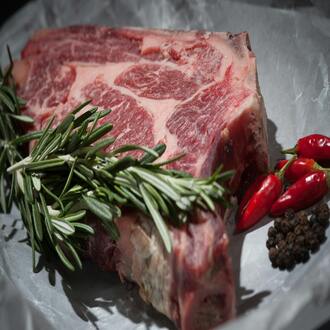
Opt for fatty meat cuts like ribeye, flank, ribs, Iberian pork, or lamb. Don't be afraid of visible fat! It is your friend. Look for cuts from pasture-raised animals, as they will have a more favorable nutrient profile.
Bone marrow is a rich source of healthy fats and essential nutrients. You can roast beef bones to extract the marrow or use it to prepare a nutritious broth. It is delicious and very beneficial for your health!
You can use fats like butter, ghee, beef tallow, or even homemade mayonnaise (made with eggs and high-quality olive oil) to dress your meats and vegetables (if you consume vegetables on your carnivore diet). Experiment and discover your favorite combinations!
To ensure you are maximizing the benefits of fats in the carnivore diet, avoid these common mistakes:
The fear of saturated fats is a food myth that has been debunked by modern science. Saturated fats are essential for health and should be the foundation of your carnivore diet. Don't be fooled by misinformation!
Consuming too much protein and not enough fat can be a common mistake in the carnivore diet. Remember that fat is your main energy source. If you consume too much protein, your body can convert it into glucose, which can make it difficult to enter ketosis and reduce the benefits of the diet.
Congratulations! You are now an expert in fats for the carnivore diet. Remember that fat is your friend, not your enemy. Prioritize saturated fats from high-quality animal sources, listen to your body, and experiment with different meat cuts and fatty dressings. Enjoy the delicious and nutritious world of carnivore fats!
I hope this complete guide is very useful to you. Enjoy the carnivore diet!