ForOnlinecourses55
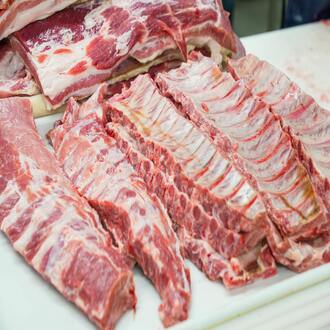
Foods allowed in the carnivore diet - nutrition carnivore
Have you ever considered a diet that focuses almost exclusively on meat? Welcome to the world of the carnivore diet! It's a way of eating that, although it sounds radical, is gaining popularity. But what foods are truly allowed on this diet? Let's explore!
Imagine going back to the roots of human nutrition, when we were hunters and gatherers. The carnivore diet is, in essence, a modern version of that way of eating. It is based primarily on the consumption of animal products and almost completely excludes plant-based foods. It is a very restrictive way of eating, but some swear by its benefits!
The fundamental principle is simple: eat only animal products. This means meat, fish, poultry, eggs, and certain animal fats. Fruits, vegetables, grains, legumes, nuts, and seeds are avoided. Some practitioners even eliminate dairy products, depending on their tolerance and goals. Does it sound extreme? It is! But let's see how this translates into specific foods.
Here is the heart of the matter: the foods you can enjoy (and should enjoy!) if you follow the carnivore diet.
Red meat is the foundation of this diet. Think of juicy steaks, homemade hamburgers (no bun, of course!), BBQ ribs, and everything your carnivorous heart desires. Red meat is rich in protein, healthy fats, B vitamins, and minerals like iron and zinc.
Not all cuts are equal. For maximum benefit, look for fattier cuts like ribeye, New York strip, or brisket. Fat is not the enemy here; it is a vital source of energy. You can also opt for leaner cuts and add extra fat, such as butter or beef tallow.
If you need a break from red meat, poultry is an excellent option. Chicken, turkey, duck... anything goes! Poultry is also rich in protein and essential nutrients.
As with red meat, the key is not to eliminate the fat. Cook chicken with the skin on or add butter when serving it. Avoid sugary or plant-based sauces and marinades.
Fish and seafood are a nutritious and tasty addition to the carnivore diet. They are an excellent source of protein, omega-3 fats, and vitamins D and B12.
Opt for fatty fish like salmon, mackerel, tuna, and sardines. Shellfish such as shrimp, oysters, and mussels are also welcome. Remember to avoid breading or sauces that contain forbidden ingredients!
On the carnivore diet, fat is not an enemy, it's an ally! It is a crucial source of energy and helps absorb fat-soluble vitamins.
Animal organs are true superfoods, packed with vitamins, minerals, and enzymes that are not found in other parts of the animal.
Organs are incredibly nutritious. The liver, for example, is an exceptional source of Vitamin A, Vitamin B12, iron, and copper. The heart is rich in coenzyme Q10 (CoQ10), important for cardiovascular health.
If you are hesitant to eat organs directly, you can start with desiccated organ supplements.
Some foods are allowed on the carnivore diet under certain circumstances, but in moderation.
Eggs are a subject of debate. Some consider them a fundamental part of the diet, while others avoid them due to possible sensitivities. If you tolerate them well, eggs are an excellent source of protein and healthy fats.
Dairy products, such as milk, cheese, and yogurt, are generally avoided on the carnivore diet due to their lactose content (milk sugar). However, some people tolerate small amounts of fermented dairy products, such as aged cheese or kefir.
Before diving into the carnivore diet, it is important to take some key aspects into account.
Whenever possible, choose meat from pasture-raised and grass-fed animals. These animals usually have more favorable nutritional profiles and are less exposed to antibiotics and hormones. Also look for wild-caught fish instead of farmed fish.
The carnivore diet can have a diuretic effect, so it is essential to stay well hydrated. Drink plenty of water throughout the day.
Every person is different, and the carnivore diet can affect everyone differently. Pay attention to how you feel and adjust the diet as needed. You may need to experiment to find the combination of foods and quantities that best suit your needs.
As with any extreme diet, there are possible benefits and risks associated with the carnivore diet.
Some of the benefits that followers of the carnivore diet report include:
It is important to remember that these benefits are anecdotal and more scientific research is needed to confirm them.
The carnivore diet is an extreme dietary approach that may offer certain benefits to some people. However, it is important to approach it with caution and be aware of the potential risks. Before starting the carnivore diet, it is advisable to consult a health professional to ensure it is right for you.