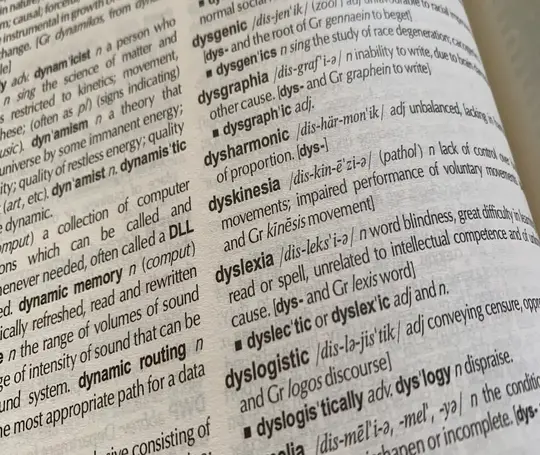
Foundations of development, neuroscience, and diagnosis in childhood
Neurodevelopmental disorders and specific learning difficulties require understanding their neurobiological bases and the milestones in language and reading development.
Assessment integrates standardized instruments, direct observation, and clinical interview to differentiate conditions such as autism spectrum disorder, dyslexia, or ADHD, as well as to evaluate affective and functional impact.
Early detection and coordination among family, school, and the team allow planning measures adjusted to the child's developmental profile and monitoring progress over time.
Healthcare and educational approaches with empirical support
Programs combine structured educational approaches and methodologies to address reading difficulties, mood disorders, anxiety, and trauma.
Empirically supported frameworks include cognitive-behavioral treatments, dialectical behavior models, and acceptance and commitment approaches; in reading instruction, systematic phonological awareness methods and multisensory programs are used.
- CBT, DBT, and ACT
- Multisensory methods for teaching reading (e.g., structured and phonics-based approaches)
- Speech therapy, occupational therapy, and curriculum adaptations
The use of assistive technologies and continuous assessment allows adjusting actions and measuring effects in both health and educational settings.
Socio-affective skills, prevention, and promotion of well-being
Work on emotional competence, emotional regulation, and resilience is central to preventing relapses, supporting social adaptation, and fostering autonomy at different life stages.
Practices such as mindfulness training, building healthy habits, and exercises in gratitude or self-control are integrated with school and family programs to enhance everyday well-being.
The prevention of bullying and cyberbullying requires educational actions, digital safety measures, and support that involve caregivers, teachers, and the community.
Ethical and legal framework and interdisciplinary practice
Practicing the profession requires respect for ethical and legal standards, rigorous record-keeping, and competence in conducting interviews, assessing condition, and preparing clear, responsible reports.
Effective approaches are usually multidisciplinary: coordination with physicians, speech therapists, educators, and social teams to ensure continuity of care, child protection, and coherence in adaptations.
Additionally, staff self-care, supervision, and training in boundaries and action protocols are necessary elements to maintain quality and safety in practice.