Course of Bullying at School: Prevention and Protocols

onlinecourses55.com

ForOnlinecourses55

👤

235755

12 $
Course of Bullying at School: Prevention and Protocols

School bullying is not child's play, it is a serious public health problem with deep consequences. This course trains you to stop looking away and act decisively. You will learn to identify warning signs, clearly distinguishing between isolated conflicts and systematic bullying, and how to activate necessary official protocols.

The danger does not end when class finishes. We will analyze Cyberbullying, the invisible face of harassment that follows victims home through screens. We will address risks such as grooming. We will provide digital safety guidelines to prevent these attacks and protect minors' emotional integrity online.

Early detection prevents tragedies. We will teach you how to use pedagogical tools such as the sociogram to map relationships in the classroom. You will learn to detect hidden roles and the social isolation of victims before it is too late. We will focus on active observation to see what goes unnoticed in the playground.

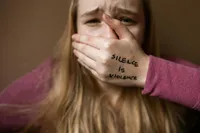
You will learn about the role of the Wellbeing Coordinator. You will discover how to work with bystanders to break the code of silence and promote zero tolerance. This training is a vital tool of educational intervention for teachers and families. Upon completion, you will have a solid coexistence plan to create a safe, violence free school environment.

Course Details

  • 💻 Video hours 6
  • 🕒 Study hours 48
  • 🎬 Videos 66
  • 📝 Test 66
  • 📈 Level to Expert Level
  • Language English and MultiLanguage
  • 🎓 Study certificate
  • 🔓 Lifetime access
  • 🏵️ 7 Guarantee days
  • 💳 Secure payment with SSL
  • 💵 We accept all payment methods

♥️ Take advantage of our offers
⏱️
d
h
m
s

What will you learn in this course?

  • 🔄 How to identify warning signs for early detection of bullying and distinguish it from other conflicts.
  • 🚀 Official response protocols: how to open a case file and legally protect the victim.
  • 🧠 How to combat cyberbullying and manage digital security and evidence.
  • 💰 Tools such as the Sociogram to analyze classroom climate and detect isolated students.
  • 💻 The role of the Wellness Coordinator and the school's legal responsibilities.
  • 🗣️ Emotional education strategies to mobilize bystanders and stop the aggressor.

Enhance your CV with the certificate from Onlinecourses55:

Official certificate fromonlinecourses55

The course syllabus includes:

👨🏻‍🏫 18 Topics
TOPIC 1: FUNDAMENTALS AND CONSEQUENCES OF SCHOOL BULLYING
2 show00:09:25
You will identify early signs and the dynamics of school bullying, its impact on mental health, self esteem, social relationships and academic performance to intervene effectively.

1.1 Consequences for the victim of being bullied

You will identify how bullying at school damages mental and emotional health, causes anxiety and depression, erodes self esteem, and harms a minor's social life and academic performance.

04:43

1.2 How bullying occurs and the signs of how it starts

You will detect the gradual process of school bullying, its early signs in the victim, and how to identify physical, behavioral, and social changes that foreshadow an escalation of violence.

04:42

TOPIC 2: FORMS OF BULLYING, DETECTION AND ACTORS
5 show00:24:19
You will detect bullying by exclusion, recognize tactics and signs, understand the emotional impact, identify roles of observers, and learn how to intervene to support victims and prevent further harm.

2.1 What is silent bullying through social exclusion?

You will detect exclusion-based bullying, learn its invisible tactics, the emotional impact on the victim, and how to intervene to support and prevent social isolation.

04:01

2.2 How to detect if my child suffers from silent bullying through social exclusion

You may notice signs of exclusion bullying: missed invitations and social isolation, anxiety about group work, evasions about friendships, and noticeable self blame after using social media.

04:13

2.3 Types of observers we may encounter

Discover how to identify passive bystanders, reinforcers, helpers, and defenders in harassment situations, and what concrete actions to take to support the victim and stop the aggression.

05:31

2.4 Causes of bullying or harassment by children

You will learn why a bully seeks status, how they channel anger from unmet needs, and how school and family settings normalize violence.

05:15

2.5 What do we adults do to encourage the emergence of bullying?

You will identify how adults foster bullying by minimizing suffering, promoting competitiveness over cooperation, and modeling aggressive behaviors that children copy.

05:19

TOPIC 3: INTERVENTION AND PREVENTION IN SCHOOL BULLYING
10 show00:51:24
You will detect, intervene in, and prevent school bullying: protect and support the victim, manage the aggressor, coordinate with the school, and implement restorative and legal measures.

3.1 What to do if our child suffers bullying or harassment.

How to respond when a minor reports harassment: listen calmly, validate their feelings, collect key details, and coordinate with the school to activate the protocol and protect them.

05:23

3.2 The role of parents in the face of bullying

How to prevent school bullying at home by creating an open channel of communication, modeling empathy and assertiveness, and teaching tolerance and appreciation of diversity.

04:51

3.3 How to help a classmate if he/she suffers bullying

Practical techniques to safely intervene in harassment: break complicity, create distractions, support the victim privately and alert a trusted adult.

05:18

3.4 Tips for when our children are victims of bullying

Rebuild the child's self-esteem, strengthen support networks, teach assertive responses and emotional regulation without blame, and recognize when to refer for psychological support.

05:36

3.5 When our child is the bully

Detect and acknowledge when your child bullies others, speak calmly, impose nonviolent educational consequences, and encourage empathy and making amends.

05:13

3.6 Who should help?

How to identify and act against school bullying: roles of the school, teachers and guidance staff, the family's protective role, peer intervention, and the responsibility of the administration

04:50

3.7 Possible method for conflict resolution

You will recognize the difference between conflict and bullying and learn to apply peer mediation for symmetric disagreements and restorative justice to hold people accountable, repair harm, and protect the victim.

05:13

3.8 Tips for Parents

Learn how to boost your child's self-esteem, set consistent limits, and model emotional regulation to prevent and cope with bullying.

05:16

3.9 Prevention of bullying or school harassment

Turn bullying prevention into a whole school project: real assessment, clear protocols and oversight, training observers to act as defenders, and a coherent partnership between school and families

04:49

3.10 Legal responsibility

How to hold the school and parents civilly liable when bullying occurs and what legal consequences the aggressor faces based on age.

04:55

TOPIC 4: FUNDAMENTALS AND IMPACT OF CYBERBULLYING
5 show00:25:58
Detect and respond to cyberbullying: recognize its forms, protect identities, stop viral spread, support victims, and spot risk signs and indicators of the aggressor.

4.1 What is cyberbullying or cyberharassment?

Discover what cyberbullying is, how it differs from in person bullying, the four As that amplify its harm, and what a bystander can do to curb its spread and support the victim.

05:40

4.2 Types of cyberbullying?

You will recognize cyberbullying types: verbal harassment and flaming, exclusion and denigration, impersonation and outing, and learn to identify them with examples and protect your identity and online reputation.

04:44

4.3 Main questions about cyberbullying

How to understand why blocking is not enough, detect signs of a minor who bullies, and distinguish between a joke and cyberbullying to intervene without blaming the victim.

05:15

4.4 According to UNICEF data, it informs us of how cyberbullying can affect our mental health

Learn how cyberbullying causes anxiety and depression, erodes self-esteem, leads to isolation and physical symptoms, and what signs indicate risk of self-harm or suicidal ideation


05:06

4.5 Consequences of cyberbullying

You will identify the consequences of cyberbullying for victims, perpetrators and bystanders: psychological, social, academic and physical effects, and how this harms the school climate.

05:13

TOPIC 5: DETECTION AND PROTOCOLS FOR ACTION AGAINST CYBERBULLYING
4 show00:19:28
Identify signs of cyberbullying in minors, report it properly, protect and support the victim, collect digital evidence without sharing it, and support disciplinary and legal measures until resolution.

5.1 Warning signs that a child is bullying others on the Internet.

Identify signs a minor is engaging in cyberbullying: secrecy about devices and passwords, closing screens, anonymous accounts, increased messaging, aggression, lack of empathy, and changes in online schedule.

03:45

5.2 Who should I talk to if I'm being bullied online or mobile, UNICEF informs us.

You will recognize cyberbullying and know who to tell, how to use reporting tools on social media, and when to contact the school or authorities to stop it.

04:56

5.3 How to help a friend who is being cyberbullied to report it.

Become an active ally: privately support the victim, accompany them when reporting, and collect digital evidence without confronting or sharing the content.

04:39

5.4 Action protocol

How to respond to cyberbullying: detect and report the case, protect and support the victim, collect evidence and identify the aggressor, apply disciplinary and educational measures, and follow up until resolution.

06:08

TOPIC 6: PREVENTION AND DIGITAL SECURITY AGAINST CYBERBULLYING
4 show00:19:53
Protect against and prevent cyberbullying: set accounts to private, separate audiences, use strong passwords and 2FA, spot phishing, save evidence, block abusers, promote family rules, digital empathy and assertive communication

6.1 10 basic tips against cyberbullying

Prevent and act against cyberbullying: make your accounts private, don't accept strangers, think before posting, if it happens don't respond, block, save evidence, tell an adult, and don't share humiliating content.

04:46

6.2 Recommendations to avoid cyberbullying

How to prevent cyberbullying at home: open dialogue and usage rules, identity and privacy management, strong passwords, digital empathy, critical thinking and assertiveness to say no and avoid toxic groups.

04:49

6.3 How can I prevent my personal data from being used to manipulate or humiliate me?

Protect your privacy on social media by applying minimal exposure, separating audiences, setting accounts to private, and controlling tags and geolocation to prevent impersonation and public shaming.

04:52

6.4 Privacy and security and tricks for internet plots.

How to create and manage secure passwords, enable 2FA, spot phishing, and protect your privacy with cookies and a VPN

05:26

TOPIC 7: HARASSMENT LINKED TO SEXUALITY AND IMAGE [SEXTING, GROOMING AND OUTING]
5 show00:25:06
Identify sexting, grooming, and cyberbullying techniques such as fake profiles, impersonation, mobbing, doxing and outing, learn legal and social risks, and how to prevent them, protect minors, and respond to intimate images.

7.1 What is Sexting?

You will understand what sexting is, its main risks such as nonconsensual sharing and sextortion, and how to prevent them legally and digitally to protect your image and avoid crimes.

05:18

7.2 What is Grooming?

You will learn to identify grooming, how it differs from bullying, its stages, warning signs, and ways to prevent and protect minors in digital environments.

05:23

7.3 Know the techniques of digital bullies.

You will recognize digital harassment techniques such as fake profiles, impersonation, mobbing, exclusion and doxing, and how to protect yourself and respond to each.

04:46

7.4 If it's not you, you can't share them. Preventing the non-consensual distribution of intimate images

Learn why responsibility falls on the recipient, what to do if you receive intimate images, and the legal and social consequences of sharing them.

05:02

7.5 What is Outing?

You will identify what outing is, why it is a form of cyberbullying, how it differs from doxing and gossip, and how to prevent it and protect victims, especially in LGBTQ contexts.

04:37

TOPIC 8: HARASSMENT IN GAMING ENVIRONMENTS AND PHYSICAL-DIGITAL AGGRESSIONS
3 show00:14:36
You will identify griefing, cyberbaiting and happy slapping, their tactics, stages and roles, the psychological and legal impact, and how to prevent, report and protect victims.

8.1 What is Griefing?

You will learn what griefing is, its tactics in multiplayer games, and its real impact as a form of harassment that causes anxiety, exclusion and players quitting the game

04:47 🔒

8.2 What is Cyberbaiting?

You will identify cyberbaiting, its three phases of baiting, recording and dissemination, and the personal, educational and legal consequences for teachers and the school climate.

04:57 🔒

8.3 What is Happy Slapping?

You will learn what happy slapping is, the roles of perpetrators and those who record it, the legal and psychological consequences, and how to prevent it, report it, and protect victims.

04:52 🔒

TOPIC 9: VERBAL AND PSYCHOLOGICAL HARASSMENT AND PERSECUTION
5 show00:23:22
Detect and stop trolling, flaming and dissing, distinguish cyberbullying, harassment and cyberstalking, use ignore, block and report, recognize tactics such as surveillance, doxing, impersonation and spyware and their legal consequences

9.1 What is Trolling?

Detect and counter trolling: recognize its purpose, distinguish it from cyberbullying, and follow the don't feed the troll rule by ignoring, blocking, and reporting.

04:56 🔒

9.2 What is Flaming?

Identify what flaming is, how it arises from online disinhibition, how it differs from trolling and cyberbullying, and when it can escalate to harassment.

04:35 🔒

9.3 What is Dissing?

Discover what dissing is, its origin in hip hop culture, how it is used as cyberbullying to humiliate with taunts, rumors, screenshots or memes, and how it differs from flaming and outing.

04:39 🔒

9.4 What is Harassment?

You will identify what online harassment is: a deliberate, persistent pattern of unwanted messages that humiliate or psychologically threaten, and how it differs from cyberstalking due to the physical threat.

04:22 🔒

9.5 What is cyberstalking or cyberstalking?

Recognize what cyberstalking is and the role of a credible threat, learn its tactics: surveillance, threats, doxing, impersonation and spyware, and when it becomes a crime with legal consequences

04:50 🔒

TOPIC 10: EXCLUSION, IMPERSONATION AND COLLECTIVE HARASSMENT
4 show00:19:03
Detect and address cyberbullying by exclusion and flooding, identify catfishing and wokefishing, understand their tactics and emotional impact, and apply measures to prevent, intervene, and recover.

10.1 What is exclusionary cyberbullying?

Identify exclusion-based cyberbullying, chat and social media tactics that isolate victims, the emotional impact, and how to intervene

04:44 🔒

10.2 What is cyberbullying by notifications?

You will detect saturation harassment: what it is, common tactics like message flooding, tagging and group takeover, its psychological impact and practical steps to prevent it and recover.

04:46 🔒

10.3 What is Catfishing?

Discover what catfishing is, its motivations, the emotional harm to victims, and how to spot signs of deception, romantic scams and grooming to protect yourself online.

05:05 🔒

10.4 What is Wokefishing?

Learn to identify wokefishing and its signs: what it is, how mimicry works on apps and social media, and the emotional impact to avoid ideological deception.

04:28 🔒

ISSUE 11: GENDER-BASED CYBER-VIOLENCE AND LGTBI HARASSMENT
3 show00:14:24
Identify gender-based and LGBTI-phobic cyberviolence: partner control, non-consensual sharing, outing and threats, and learn digital security, reporting and support networks to prevent and assist victims

11.1 What is gender cyberviolence?

How to identify gender based cyberviolence, its forms like partner control, nonconsensual image sharing and threats, and how to recognize its aim to silence and drive women out of digital spaces

04:44 🔒

11.2 Prevention and visualization of cyberbullying against women and girls.

You will identify and name gender-based cyberviolence, promote education in equality and new masculinities, and learn digital security, how to report incidents, and support networks

04:43 🔒

11.3 Cyberbullying of the LGTBI community

Definition of LGBTphobic cyberbullying, its tactics such as outing, insults and threats, how it invades safe spaces and the serious impact on young people, to help prevent and respond

04:57 🔒

TOPIC 12: DIGITAL PARENTING AND FAMILY COEXISTENCE
5 show00:24:33
Design a Family Digital Plan with schedules, spaces and rules, prevent and respond to cyberbullying, model consistent, balanced use and regular disconnection, and manage screens and safe alternatives to support child development

12.1 Standards for positive digital parenting and family digital well-being.

How to apply positive digital parenting: support rather than prohibit, create a Family Digital Plan with schedules, spaces and rules, and model consistent use of technology.

05:13 🔒

12.2 Tips for positive coexistence and against cyberbullying.

Identify and prevent cyberbullying: practice digital empathy, be a responsible advocate and foster family dialogue that detects and resolves problems early

04:50 🔒

12.3 Educate the family by example in the good use of cell phones.

Teach by example: set family no phone rules, practice unplugging at key times, and model empathy and healthy digital conflict management so children learn by imitation.

04:43 🔒

12.4 A child doesn't need a cell phone, a child needs a cell phone.

How to tell social pressure from real needs and when to delay the first smartphone for healthy child development, with safe alternatives.

04:54 🔒

12.5 Tips for healthy digital confinement in families with children and adolescents

Managing screens during lockdown: set flexible time rules, limit content, keep clear routines and spaces, supervise risks, and use offline activities for a healthy balance.

04:53 🔒

TOPIC 13: DEVICE MANAGEMENT AND CYBERSECURITY IN ENTERTAINMENT
4 show00:19:45
You will identify addictive design techniques, distinguish quality screen time, apply a family plan with limits, reduce mobile use, protect accounts, and read PEGI to spot purchases and loot boxes.

13.1 Mobile and video games. Enjoyment without abuse

How to recognize when phones and games are designed to be addictive, distinguish quality screen time, and apply a family plan with limits, common areas and shared leisure to regulate their use.

05:05 🔒

13.2 10 tricks to reduce cell phone use

Practical techniques to reduce phone use: create physical friction, establish phone-free zones, set screen to grayscale, disable notifications, replace routines, and track your time.

05:04 🔒

13.3 10 cybersecurity tips for video games

Protect your gaming account: create unique passwords, enable 2FA, avoid phishing and pirated software, adjust privacy settings, and use secure payments to keep your data and progress safe.

04:47 🔒

13.4 Tips for parents before checking out a video game

Discover how to read PEGI and ESRB ratings and icons, evaluate online features and chat, detect in-game purchases and loot boxes, and set up parental controls

04:49 🔒

TOPIC 14: ENCOURAGING VALUES AND SPECIFIC RISKS
3 show00:13:17
You will develop skills to foster empathy and respect online and among children, pause before posting, debate without personal attacks, report hate speech, and protect privacy and image rights against sharenting.

14.1 Ten Steps to Internet Tolerance

Practice tolerance online: pause before posting, acknowledge the other person, debate ideas without attacks, avoid generalizations and report hate speech.

04:06 🔒

14.2 Most important values for children to learn

How to teach children empathy, respect, tolerance, responsibility, and honesty to prevent online and offline bullying.

04:45 🔒

14.3 The Risk of Sharenting

You will identify the risks of sharenting and learn how to protect children's privacy, safety, and image rights on social media.

04:26 🔒

TOPIC 15: CONTENT RISKS [PORNOGRAPHY AND PLATFORMS]
2 show00:10:10
React calmly if a minor sees pornography, make the discovery an educational conversation, explain it is fiction, teach consent and genuine affection, and reduce TikTok risks like addiction, dangerous challenges and grooming

15.1 Your child watches pornography

How to respond calmly if a minor accesses pornography, turn the discovery into an educational conversation, explain that it is fiction, and teach consent, real affection, and prevention

05:25 🔒

15.2 What are the risks of TikTok?

Identify and mitigate TikTok risks: addictive algorithm and rabbit holes, exposure to dangerous content and challenges, loss of privacy and grooming.

04:45 🔒

TOPIC 16: INTRODUCTION TO THERAPEUTIC PHOTOGRAPHY
1 show00:05:20
Apply photographic techniques in psychotherapy to ease expression and dialogue, using patient photos, self portraits, albums and photo projection to externalize emotions, shift perspective and empower the patient

16.1 Therapeutic photography

How to use photography in psychotherapy to promote expression and dialogue: practical techniques like patient photos, self portraits, albums and photo projection to externalize, shift perspective and empower

05:20 🔒

TOPIC 17: THERAPEUTIC APPLICATION IN GENDER VIOLENCE
1 show00:04:48
Master the use of phototherapy so adolescents identify and name behaviors of emotional violence, challenge romantic love myths, and strengthen identity and self esteem.

17.1 Gender-based violence in adolescence with light therapy.

Use photo therapy to help adolescents identify and name emotional abuse behaviors, debunk myths of romantic love, and restore identity and self esteem

04:48 🔒

TOPIC 18: DOWNLOAD PDF DOCUMENTATION
1 show00:00:00

📥 18.1 Download PDF documentation

🔒

School Bullying Course Details

Bullying Prevention Course for the Unemployed

Get to know our methodology with the [INTRODUCTORY COURSE ON SCHOOL BULLYING]. Access the modules on types of bullying and early warning signs.

Sign up for free by clicking the [SIGN UP] button and start preventing.

Bullying Prevention Course for unemployed people

The School Bullying: Prevention and Protocols course is a training offer at a single price of 6$ aimed specifically at unemployed people.

Our proposal will enable you to manage safe educational environments and develop preventive skills to enrich your experience and professional competencies.

Course on School Coexistence for workers

Ensure maximum classroom safety with this specialized Bullying course for only 6$, mandatory training for modern educators.

You will learn to quickly activate protection protocols at signs of bullying, create environments of full trust and officially certify your professional competencies, accessible, evidence-based and accredited.

Certification in School Bullying

At the end of this coexistence program you will receive a diploma attesting to your training in child protection and academic safety. This private credential acknowledges you master protocols to identify violent conduct and prevent harassment. It is an essential resource for teachers, ensuring you possess technical tools to intervene early under a standard of maximum responsibility and pedagogical rigor. The certificate confirms your professional competence to create healthy, safe and respectful educational spaces.

Passing the tests is mandatory. This is how we validate our students' real learning.

Job Opportunities

Demand for experts in school coexistence is growing. This course enhances your profile to work in:

  • Schools (support for the Well-being Coordinator).
  • School cafeterias and extracurricular activities.
  • Protection associations and PTAs.
  • Educational psychology departments.
Student Ratings

Average

4.5

11787 Votes

66%
20%
7%
3%
3%

Advantages for signing up for the Course of School Bullying

Icon of Unlimited lifetime access

Unlimited lifetime access

By enrolling in our courses, you get lifetime access, allowing you to learn and review the material as many times as you need without time restrictions.


Icon of Available in multiple languages

Available in multiple languages

By purchasing your master's degree, you will have immediate access to versions in other languages, thus eliminating any language barrier to your learning.


Icon of Study comfortably from home

Study comfortably from home

Our e-learning platform allows you to train 100% online from the comfort of your home, adapting perfectly to your schedules and routines.


Icon of Designed by expert teachers

Designed by expert teachers

All our content is created, structured, and supervised by active professionals and highly qualified educators in each sector.


Icon of Training at the best guaranteed price

Training at the best guaranteed price

We democratize education by offering complete, practical, and updated programs with the most competitive and accessible rates on the internet.


Icon of Study without rushing and at your own pace

Study without rushing and at your own pace

Organize your time as you prefer. With no submission deadlines, you can advance through the modules without pressure and assimilate each concept at your own pace.


Icon of Excellent student reviews

Excellent student reviews

The high level of satisfaction of our students is our best letter of introduction. Hundreds of real reviews back the quality of our methodology.


Icon of Social commitment and scholarships

Social commitment and scholarships

We reaffirm our commitment to inclusive education by offering scholarships to students with financial difficulties so that no one is left without opportunities to grow.


Icon of Full access with a single payment

Full access with a single payment

Enjoy our best offer and access the entire professional improvement training package through a single.


Icon of Community of +500,000 students

Community of +500,000 students

Over half a million students worldwide have already transformed their resumes with us, attracted by the excellence of our syllabuses and our affordable prices.


REAL Opinions from Students of the Course of School Bullying

Frequently asked questions about School Bullying

What is the difference between conflict and bullying?

The conflict is isolated and between peers. School bullying involves an intent to harm, repetition over time, and a clear power imbalance [the victim cannot defend themselves].

What is the Wellness Coordinator?

It is a mandatory role in Spanish educational centers [LOPIVI] responsible for promoting coexistence, managing bullying protocols, and serving as the point of contact for student protection.

How can I tell if there's cyberbullying?

Signs include mood changes after using the phone, avoiding devices, closing social media, or anxiety. The course teaches how to monitor without invading privacy and how to collect evidence.

What role do spectators play?

They are the key to stopping bullying. Their silence perpetuates it. The course offers strategies for the group to support the victim and stop laughing at the bully.

Is this course eligible for points?

It is a continuing education course not accredited by the Ministry, so it depends on each offering. However, the content is essential for real world teaching practice.

Courses related to School Bullying