For Onlinecourses55
|
2026-05-14
For Onlinecourses55
|
2026-05-14

Is the carnivore diet healthy? - nutrition carnivore
Hello everyone! Today we are going to dive into a topic that is causing quite a stir in the world of nutrition: the carnivore diet. Is it a passing fad? A miracle cure? Or simply madness? Join me as we explore the pros, cons, and science (or lack thereof) behind this controversial way of eating. Ready for the journey? Let's go!
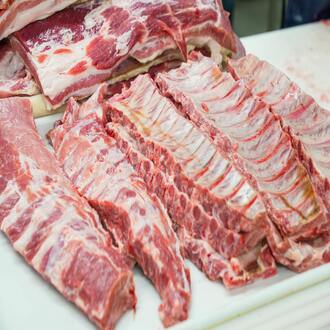
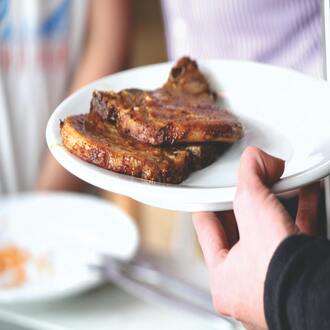
In essence, the carnivore diet is exactly what it sounds like: a diet consisting almost exclusively of animal products. Imagine eliminating virtually everything that doesn't come from an animal. Does it sound radical? It is! But why would someone do this? Some proponents argue that it is the most natural way for humans to eat, based on the idea that our Paleolithic ancestors consumed mainly meat. Others adopt it for supposed health benefits, such as weight loss and improved mental health.
The list is quite short:
This is where things get restrictive:
Now, let's look at the supposed benefits promoted by the advocates of this diet. It is important to remember that solid scientific evidence is limited.
The carnivore diet is inherently high in protein and fat, which can increase feelings of satiety and therefore reduce calorie intake. Furthermore, by eliminating carbohydrates, the body enters a state of ketosis, which can promote fat burning. However, this effect is similar to that of other ketogenic diets.
Some anecdotal testimonies suggest that the carnivore diet can improve mental health, reducing anxiety and depression. The theory is that eliminating processed and potentially inflammatory foods could have a positive impact on the brain. But be careful! Scientific evidence is very limited and much more research is needed.
Eliminating foods considered inflammatory (such as grains, legumes, and processed foods) could reduce inflammation in the body. However, it is also possible to achieve reduced inflammation with a balanced diet rich in anti-inflammatory foods.
Now, we come to the part that is perhaps most important: the potential risks of this highly restrictive diet.
This is perhaps the biggest problem. By eliminating entire food groups, it is almost inevitable to develop deficiencies in essential vitamins and minerals. Vitamin C, fiber, potassium, and magnesium are just some of the nutrients that may be missing in a carnivore diet. Imagine not eating a single fruit or vegetable!
The lack of fiber can cause constipation and other digestive issues. Furthermore, a high-fat diet can be difficult for some people to digest. Can you imagine spending days without being able to go to the bathroom? That doesn't sound fun at all!
The carnivore diet is high in cholesterol and saturated fats, which can increase LDL cholesterol (the "bad" kind) and raise the risk of heart disease. Although some people seem to tolerate a high-fat diet well, others may experience a significant increase in their cholesterol levels.
A high intake of saturated fats and cholesterol has been associated with an increased risk of heart disease, such as heart attacks and strokes. It is essential to consult a doctor before starting such a restrictive diet, especially if you have a family history of heart disease.
Here's the problem: there are almost no high-quality scientific studies on the carnivore diet. Most evidence is anecdotal, meaning it is based on personal testimonials rather than rigorous scientific data. Some small studies have shown promising results in terms of weight loss and improvement of some health markers, but much larger and more controlled studies are needed to draw definitive conclusions. Simply put, the science isn't there yet.
This is the million-dollar question. The short answer is: probably not. The carnivore diet is extremely restrictive and can be detrimental to long-term health. There are much safer and more sustainable ways to lose weight, improve mental health, and reduce inflammation.
If you are considering the carnivore diet, it is crucial that you:
The carnivore diet is a controversial topic. While some proponents proclaim its miraculous benefits, the lack of solid scientific evidence and potential health risks make it a questionable option for most people. Before embarking on this carnivorous adventure, I strongly recommend that you seek advice from a health professional and explore safer and more sustainable alternatives to achieve your health goals. Remember, health comes first!
1. Can I eat bacon on the carnivore diet? Yes, bacon is allowed on the carnivore diet, as it is an animal product. However, it is important to consume it in moderation due to its high saturated fat and sodium content.
2. What if I feel sick on the carnivore diet? If you experience negative side effects such as fatigue, headache, constipation, or nausea, it is important to consult a doctor. These symptoms may indicate nutritional deficiencies or adaptation problems to the diet.
3. Can I exercise on the carnivore diet? Yes, you can exercise on the carnivore diet. However, you may need to adjust your fluid and electrolyte intake to maintain optimal performance. Consult a sports nutritionist for personalized recommendations.
4. How long can I follow the carnivore diet? There are no official recommendations on how long the carnivore diet can be safely followed. Due to its potential risks and nutritional deficiencies, it is generally not recommended as a long-term diet.
5. Does the carnivore diet cure autoimmune diseases? There is no scientific evidence to support the claim that the carnivore diet cures autoimmune diseases. While some individuals with autoimmune diseases have reported improvements in their symptoms when following this diet, these testimonials are anecdotal and should not be considered scientific evidence. Always consult a doctor for the treatment of autoimmune diseases.