For Onlinecourses55
|
2026-02-26
For Onlinecourses55
|
2026-02-26
![Keto and carnivorous diet [relationship] - nutrition carnivore](/images/postDuplicados/onlinecourses55-keto-and-carnivorous-diet-relationship.webp "Keto and carnivorous diet [relationship] - nutrition carnivore")
Keto and carnivorous diet [relationship] - nutrition carnivore
Exploring similarities and differences between the keto and carnivore diets can enhance your understanding. Invest in a course dedicated to carnivore nutrition for tailored insights and to help you make better dietary choices.
Have you heard of the keto diet and the carnivore diet? How similar are they really? And which is the best option for you? In this article, we will dive into the world of these two popular diets, exploring their similarities, differences, and most importantly, how to choose the most appropriate option for your needs and goals.
The ketogenic diet, or keto, is a low-carbohydrate, moderate-protein, and high-fat eating plan. The main goal is to induce a metabolic state called ketosis.
Explanation: When you drastically reduce your carbohydrate intake (usually to less than 50 grams per day), your body is forced to look for an alternative energy source. Instead of using glucose (sugar) from carbohydrates, it begins to burn fat to produce ketones, which become the main fuel for the body and the brain.
Definition: The carnivore diet is a much more restrictive approach. It is based on the exclusive consumption of animal products, completely eliminating carbohydrates, fruits, vegetables, grains, and any other plant-based food.
In the carnivore diet, the staples are:
Proponents of the carnivore diet claim it can offer benefits such as:
However, it is also important to consider the potential risks:
Despite their differences, the keto diet and the carnivore diet share some important similarities.
Fat intake: Both diets emphasize the consumption of fats as the main energy source. In the keto diet, fats represent around 70-80% of daily calories, while in the carnivore diet, fats mainly come from meat and other animal products.
Restriction: Both the keto diet and the carnivore diet significantly restrict carbohydrate consumption. In the keto diet, a small amount of carbohydrates is allowed (less than 50 grams per day), while in the carnivore diet, carbohydrates are completely eliminated.
Now, let's analyze the key differences between these two diets.
Keto diet: It is much more flexible in terms of the variety of allowed foods. In addition to fats, you can consume proteins, low-carbohydrate vegetables, fruits in moderate amounts, and some dairy products. Carnivore diet: In contrast, it is extremely restrictive and is limited almost exclusively to animal products.
Keto diet: It primarily focuses on carbohydrate restriction but does not impose strict restrictions on other food groups. Carnivore diet: On the other hand, it restricts all plant-based foods, including fruits, vegetables, grains, legumes, and nuts.
Keto diet: Allows for a greater variety of foods and, therefore, facilitates the acquisition of a wider range of nutrients. Carnivore diet: Presents a greater challenge in obtaining certain essential nutrients, such as vitamin C and fiber. It is crucial to supplement the carnivore diet with vitamins and minerals if followed long-term.
Dependence: The choice between the keto diet and the carnivore diet depends on several factors, including your health goals, lifestyle, and personal preferences.
Recommendation: If your main goal is to lose weight and improve your metabolic health, and you prefer to maintain a greater variety of foods, the keto diet might be a good option. If you are looking for a more extreme and restrictive diet, and are willing to eliminate all plant-based foods, the carnivore diet might be an option to consider, though always under medical supervision.
Priority: Before starting any restrictive diet, it is essential to consult with a doctor or a nutritionist. A health professional can evaluate your condition, help you set realistic goals, and ensure that the diet is safe and appropriate for you.
Summary: Both the keto diet and the carnivore diet are dietary strategies based on reducing carbohydrates and increasing fat intake. Differences: The keto diet is more flexible and allows for a greater variety of foods, while the carnivore diet is extremely restrictive. Final consideration: The key is finding an approach you can maintain long-term that allows you to enjoy a healthy and balanced life.
1. Is it safe to follow the carnivore diet long-term?
Answer: There is not enough scientific evidence to determine if the carnivore diet is safe long-term. Due to its restrictive nature, it can lead to nutritional deficiencies. It is essential to consult with a doctor or nutritionist before starting and while following it.
2. Can I exercise on the keto or carnivore diet?
Answer: Yes, you can exercise on both diets. However, you may need to adjust your nutrient intake and training regimen to optimize your performance and recovery. Consult with a personal trainer or sports nutritionist for personalized recommendations.
3. How long does it take the body to adapt to the keto diet?
Answer: The adaptation period to the keto diet, known as the "keto flu," can last between a few days and a few weeks. It is important to stay hydrated, consume electrolytes, and be patient during this process.
4. Is the keto diet suitable for people with diabetes?
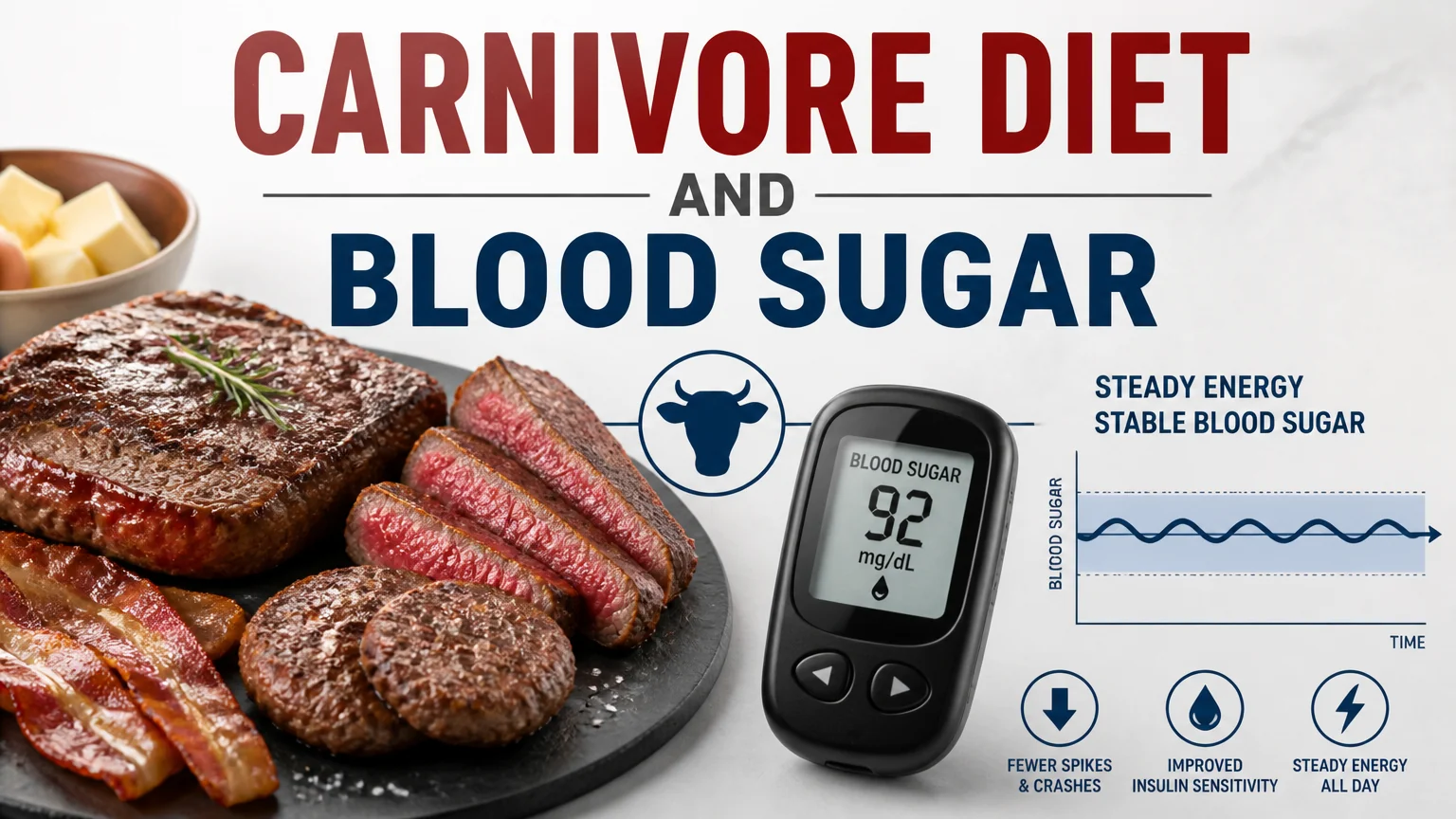
Answer: The keto diet can be beneficial for people with type 2 diabetes, as it can help improve blood sugar control. However, it is essential to consult with a doctor before starting, as diabetes medication may need to be adjusted.
5. Can I eat fish on the carnivore diet?
Answer: Yes, fish is an allowed food on the carnivore diet, as it is an animal product. In fact, fish can be an excellent source of protein and healthy fats, such as omega-3 fatty acids.
Search
Popular searches