For Onlinecourses55
|
2026-04-08
For Onlinecourses55
|
2026-04-08
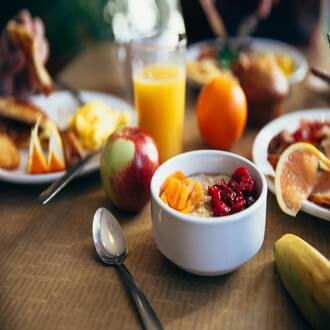
Natural gluten-free ingredients - nutrition celiac
If you're eager to embark on a gluten-free culinary adventure, you'll find all the essential tips you need here! This article is your guide to understanding gluten-free ingredients. For deeper insights, enroll in a complete gluten-free nutrition course that will enhance your culinary skills!
Hello everyone! Are you ready to embark on a gluten-free culinary adventure? If you've made it this far, you're likely looking for information on how to eat well without gluten, whether by necessity or choice. Don't worry! You're in the right place. This article will guide you through 61 natural gluten-free ingredients, giving you the tools to create delicious and nutritious meals. Forget boring restrictions. Get ready to discover a world of flavors!
Before diving into the list of ingredients, it is essential to understand what gluten is and why some people choose to avoid it.
Gluten is a protein found in wheat, barley, and rye. It is what gives bread dough its elasticity and chewy texture. Imagine gluten as a type of natural "glue." The problem is that for some people, this "glue" can cause digestive and health issues.
The most common reason for avoiding gluten is celiac disease, an autoimmune disorder in which gluten damages the lining of the small intestine. But even if you don't have celiac disease, you might be sensitive to gluten, experiencing symptoms such as bloating, fatigue, headaches, and skin problems. Some people also opt for a gluten-free diet to improve their overall health. Every body is different, right?
This is where the fun really begins! There is a wide variety of grains and flours that are naturally gluten-free and can be the foundation of your diet.
Rice is a staple food in many cultures and, fortunately, is completely gluten-free. From white rice to brown, basmati, and jasmine, the options are endless. Rice with chicken? Sushi? The possibilities are endless!
Corn is another versatile grain that can be enjoyed in many ways. In addition to popcorn, you can use corn flour to make tortillas, polenta, or even cornbread. Delicious arepas!
Quinoa is a superfood packed with protein, fiber, and essential nutrients. It is easy to cook and can be used in salads, soups, stews, or as a side dish. A quinoa salad with avocado and tomato is wonderful!
Despite its name, buckwheat does not contain wheat and is naturally gluten-free. It has an earthy flavor and can be used to make crepes, pancakes, or soba noodles. A delicious and nutritious option!
Millet is a small but powerful grain that is rich in nutrients and easy to digest. It can be cooked like rice or quinoa and can be used in soups, stews, or as a side dish. Try it, you'll be surprised!
Fruits and vegetables are naturally gluten-free and should be an important part of any healthy diet.
From apples and bananas to berries and melons, all fresh fruits are gluten-free. Dried fruits are also a great option for a quick and nutritious snack, but be sure to read the labels to avoid gluten additives!
Spinach, lettuce, kale, and other leafy green vegetables are rich in vitamins, minerals, and antioxidants. Add them to your salads, smoothies, or stir-fries for a nutritional boost!
Potatoes, sweet potatoes, carrots, and beets are excellent sources of energy and nutrients. Roast them, boil them, mash them, or turn them into a puree to enjoy their flavor and benefits!
Proteins are essential for building and repairing tissues, and many gluten-free options are available.
Beef, chicken, pork, and turkey are naturally gluten-free, provided they are not breaded or marinated with ingredients containing gluten. Grilled, baked, or pan-fried, enjoy their flavor!
Fish and seafood are excellent sources of protein and omega-3 fatty acids. Grilled, baked, steamed, or in ceviche, enjoy their freshness and flavor!
Lentils, chickpeas, beans, and peas are excellent sources of vegetable protein and fiber. Use them in soups, stews, salads, or as a side dish!
Fats and oils are essential for health and the flavor of food.
Olive oil is a healthy and delicious fat that can be used for cooking, drizzling over salads, or dipping gluten-free bread. An essential classic!
Coconut oil has an exotic flavor and can be used for cooking, baking, or even for skin care. A versatile and healthy option!
Avocado is a fruit rich in healthy fats, fiber, and nutrients. Use it in guacamole, salads, toast, or as a side dish!
Seeds and nuts are excellent sources of nutrients and can be a healthy snack or a delicious topping.
Chia and flax seeds are rich in fiber, omega-3 fatty acids, and antioxidants. Add them to your smoothies, yogurts, or salads for a nutritional boost!
Almonds, walnuts, and hazelnuts are rich in healthy fats, protein, and fiber. Enjoy them as a snack, add them to your salads, or use them to make nut butter!
Dairy can be a bit tricky for some people, but many gluten-free options are available.
Natural milk, cheese, and yogurt are gluten-free, but some people may have lactose intolerance. Consume in moderation and pay attention to how you feel!
Almond milk, coconut milk, rice milk, and soy milk are excellent alternatives to cow's milk for people with lactose intolerance or those following a vegan diet. Explore the universe of options!
There are many natural gluten-free sweeteners you can use to sweeten your meals and drinks.
Honey is a delicious and versatile natural sweetener that can be used in tea, yogurt, pancakes, or as an ingredient in recipes. A classic that never fails!
Maple syrup is a natural sweetener with a unique and delicious flavor that can be used on pancakes, waffles, or as an ingredient in recipes. A Canadian touch you'll love!
Stevia and Monk Fruit are natural, calorie-free sweeteners that are excellent options for people looking to reduce their sugar intake. Sweeten your life without remorse!
Spices and herbs are essential for flavoring food and adding a touch of magic to your gluten-free dishes.
Cinnamon, cumin, cilantro, ginger, and many other spices can transform a simple dish into a culinary experience. Experiment and discover your favorites!
Parsley, oregano, thyme, rosemary, and basil are aromatic herbs that can add a touch of freshness and flavor to your dishes. Use them fresh or dried to bring your kitchen to life!
Here are some ideas to put everything we've learned into practice!
Use quinoa flour to make fluffy and delicious pancakes. Serve with your favorite fresh fruits and a drizzle of honey or maple syrup. A nutritious and delicious breakfast!
Roast your favorite vegetables (peppers, onions, zucchini) and mix them with cooked lentils, fresh herbs, and a lemon and olive oil dressing. A salad full of flavor and nutrients!
Cook a salmon fillet on the grill and serve it with grilled asparagus and cauliflower puree. An elegant and healthy dinner!
Buying gluten-free ingredients can be a challenge, but these tips will help you do it safely.
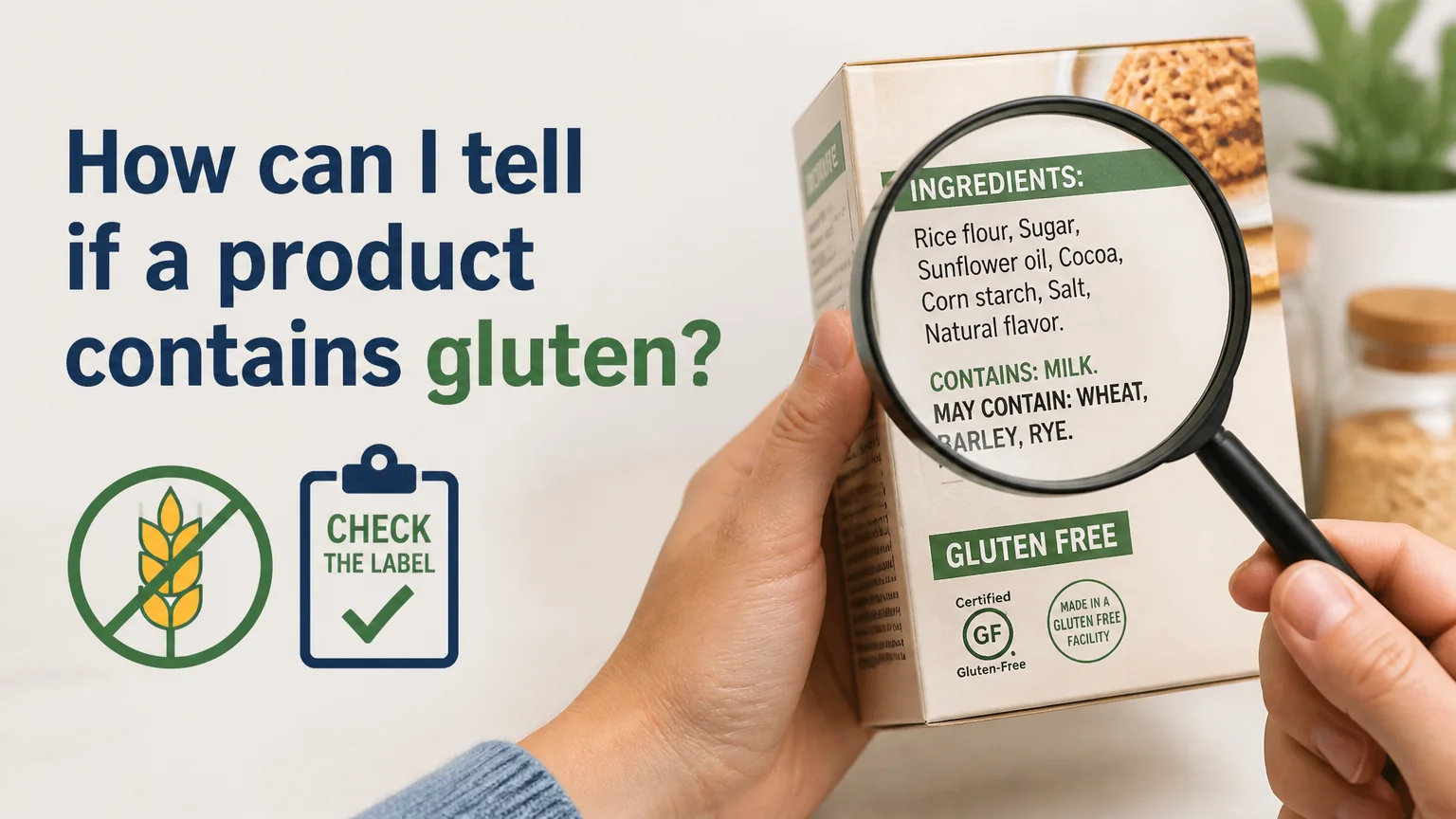
Read the labels of all products to ensure they do not contain gluten. Look for the "gluten-free" label or check the ingredient list to identify ingredients that might contain gluten.
Be careful with cross-contamination in the kitchen. Use separate utensils and cutting surfaces for gluten-free foods and wash them thoroughly after use.
If you buy in bulk, make sure the containers are clean and that there is no risk of cross-contamination with products that contain gluten.
Avoid these common mistakes to succeed on your gluten-free diet.
It is crucial to read labels carefully to avoid hidden ingredients that may contain gluten.
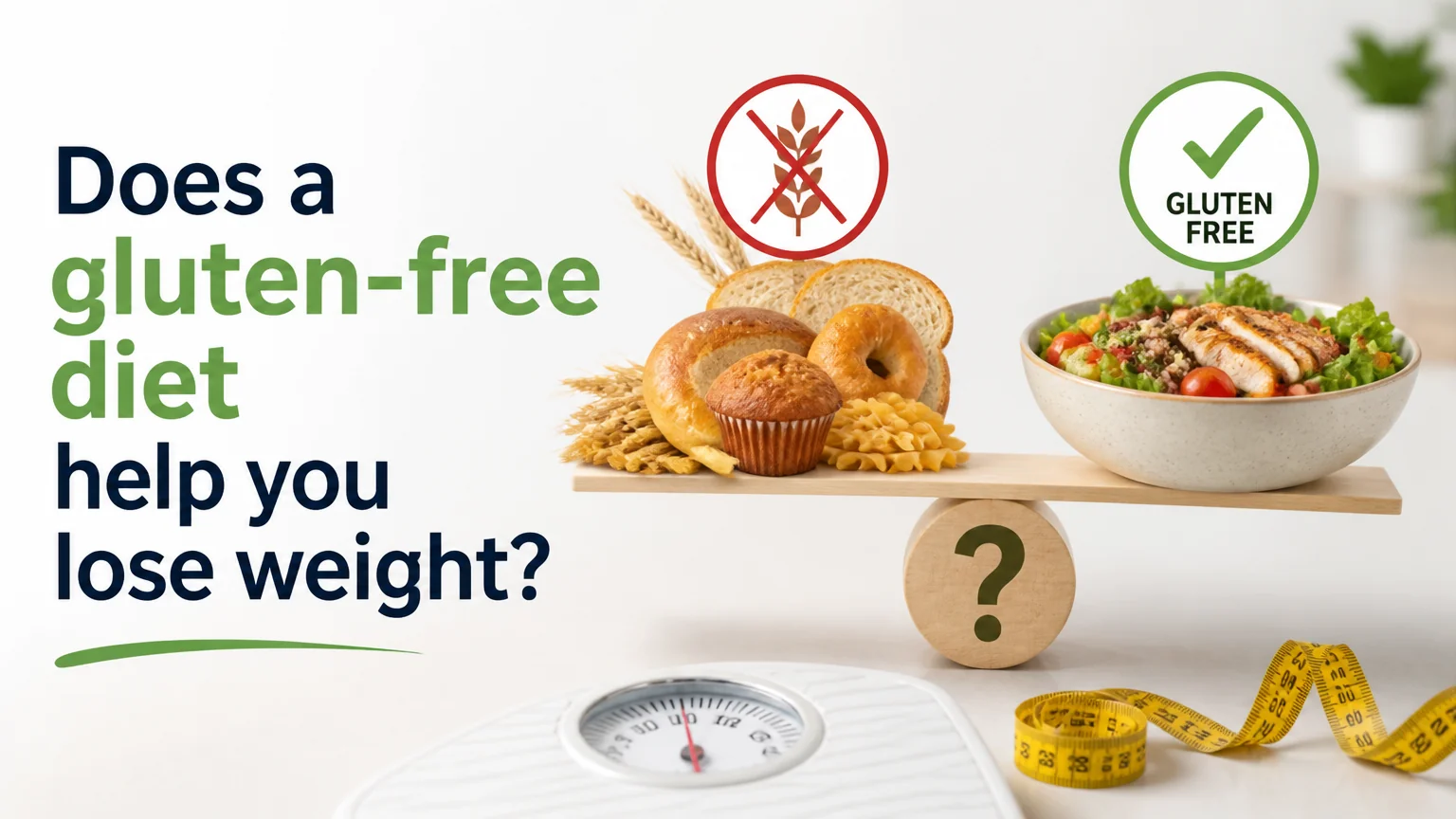
Processed "gluten-free" products are often high in sugar, fat, and sodium. Opt for natural ingredients and cook at home whenever possible.
When removing gluten from your diet, it is important to ensure you get the nutrients you would normally obtain from gluten-containing grains. Consult a nutritionist for guidance!
Here are some additional resources to help you succeed on your gluten-free diet.
There are many gluten-free cookbooks available that will give you inspiration and delicious recipes.
There are many blogs and websites specializing in the gluten-free diet that offer updated information, recipes, and tips.
Joining a support group will allow you to connect with other people who follow a gluten-free diet and share experiences, tips, and recipes.
Congratulations! You now have the tools and knowledge to enjoy a rich and varied gluten-free life. Remember that the key is experimentation, creativity, and attention to labels. Don't be afraid to try new things and discover your favorite gluten-free ingredients and recipes! Enjoy!
What exactly is gluten?
Gluten is a protein present in wheat, barley, and rye that gives elasticity to dough.
How can I tell if a product is truly gluten-free?
Look for the "gluten-free" label or check the ingredient list to identify ingredients that may contain gluten.
Is it necessary to avoid gluten if I am not celiac?
It is not necessary, but some people with gluten sensitivity may experience health improvements by avoiding it.
Where can I find delicious gluten-free recipes?
There are many specialized blogs, websites, and cookbooks for gluten-free recipes.
What can I eat at a restaurant if I am following a gluten-free diet?
Ask the waiter about the ingredients and available gluten-free options. Opt for simple dishes with fresh ingredients and avoid fried or breaded foods.
Search
Popular searches