ForOnlinecourses55

What foods should i avoid if i am celiac? - nutrition celiac
Hello everyone! If you've made it this far, you're probably wondering what you can or cannot eat if you have celiac disease. Celiac disease might seem like a maze at first, but don't worry, I'm here to guide you! Let's unravel this topic together, in an easy and pleasant way.
Celiac disease is an autoimmune reaction to gluten, a protein found in wheat, barley, and rye. When a person with celiac disease consumes gluten, their immune system attacks the lining of the small intestine, which hinders nutrient absorption. Imagine that your small intestine is a carpet with tiny "bristles" that absorb nutrients; gluten, in this case, would be like a vacuum cleaner that rips out those bristles, leaving the carpet smooth and unable to absorb anything!
The symptoms of celiac disease can vary greatly from person to person. Some experience digestive problems such as diarrhea, constipation, bloating, and abdominal pain. Others may present less obvious symptoms such as fatigue, anemia, skin rashes, headaches, and even neurological problems. It's as if the body were sending out distress signals in different ways!
Now, let's dive fully into the foods you must avoid if you have celiac disease. Get ready to become a label detective!
Wheat is, without a doubt, the main enemy of celiacs. It is present in countless foods, from bread and pasta to pizza and cakes. It is essential to check product labels to ensure they do not contain wheat.
Watch out! You must not only avoid common wheat but also its varieties such as spelt, kamut, and farro. These grains also contain gluten and can trigger a reaction in celiac people. Think of them as cousins of wheat, but just as problematic!
Barley is another grain that contains gluten and is found in foods such as beer, whiskey, and some types of soup. Sometimes, barley can be present in processed products as a thickener or hidden ingredient. It is a true master of disguise!
Rye is a grain often used to make rye bread, crackers, and other baked goods. Like wheat and barley, rye contains gluten and must be avoided on a gluten-free diet. Don't be fooled by its rustic flavor!
Gluten is not only found in the obvious grains. It can be present in a variety of processed foods, sauces, and even medications. This is where label reading becomes crucial!
Many sauces and condiments, such as soy sauce, teriyaki sauce, ketchup, and mustard, may contain gluten as a thickener or stabilizer. A small ingredient can cause big problems! Be sure to read labels and look for gluten-free versions.
Processed products, such as canned soups, ready-made meals, sausages, and chicken nuggets, often contain gluten as a binder or filler. It is important to check the ingredient list to detect any source of gluten. Don't trust appearances!
Some medications and supplements may also contain gluten as an excipient. Yes, even your pills could be causing problems! Consult with your doctor or pharmacist to ensure that the medications you take are safe for celiacs.
It's not all bad news! Fortunately, there are many delicious and safe alternatives for celiacs. Get ready to discover a new world of flavors!
Rice, corn, quinoa, amaranth, buckwheat, and millet are excellent alternatives to gluten-containing grains. You can use them to prepare breads, pastas, cereals, and other delicious dishes. Quinoa, for example, is an incredible source of protein!
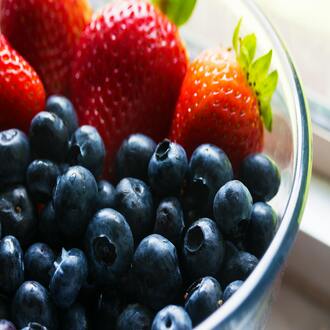
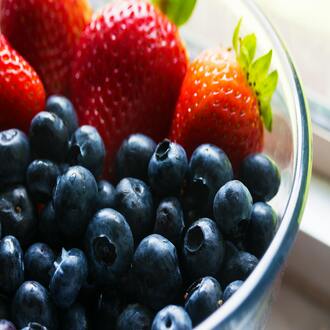
All fresh fruits and vegetables are naturally gluten-free. So go ahead, fill your plate with colors! They are an excellent source of vitamins, minerals, and fiber, essential for a healthy diet.
Meat, fish, chicken, eggs, legumes (beans, lentils, chickpeas), and nuts are sources of lean protein that are naturally gluten-free. Be sure to cook them safely, avoiding cross-contamination!
Here are some practical tips to make your gluten-free diet a complete success:
Learn to read food labels carefully. Look for keywords such as "wheat," "barley," "rye," "gluten," or "modified wheat starch." If in doubt, it's better to avoid the product!
Eating out can be a challenge, but it's not impossible. Call the restaurant in advance to ask about their gluten-free options. Explain your needs and be clear about the importance of avoiding cross-contamination. Don't be afraid to ask!
Cross-contamination occurs when gluten-free foods come into contact with foods that contain gluten. To avoid it, use separate kitchen utensils, clean cutting boards, and avoid cooking gluten and gluten-free foods at the same time. Hygiene is key!
Being celiac does not mean giving up a full and delicious life. With a little knowledge and planning, you can enjoy a varied and nutritious gluten-free diet. Remember that you are stronger than you think! Now, go enjoy life, gluten-free and with great joy!
FAQ 1: Can I eat oats if I have celiac disease?
Pure oats are naturally gluten-free. However, they are often processed in facilities that also process wheat, barley, and rye, which can cause cross-contamination. Look for certified gluten-free oats to ensure they are safe for celiacs. Better safe than sorry!
FAQ 2: How do I know if a product is truly gluten-free?
Look for the "gluten-free" certification seal on the product packaging. This seal guarantees that the product complies with the gluten content standards established by certifying organizations. It's like a seal of assurance for your peace of mind!
FAQ 3: What do I do if I accidentally consume gluten?
If you accidentally consume gluten, you will most likely experience symptoms such as abdominal pain, diarrhea, or bloating. Rest, hydrate, and follow a bland diet until you feel better. If symptoms are severe, consult your doctor. Don't beat yourself up too much!
FAQ 4: Is celiac disease the same as gluten intolerance?
No, celiac disease and gluten intolerance are not the same. Celiac disease is an autoimmune disease, while gluten intolerance is a sensitivity to gluten that does not cause damage to the small intestine. They are like distant cousins, but with different consequences!
FAQ 5: Where can I find recipes and resources for celiacs?
There are many websites, blogs, and cookbooks dedicated to gluten-free recipes. You can also find online and in-person support groups where you can share experiences and get advice from other celiacs. The celiac community is very close-knit and supportive!