For Onlinecourses55
|
2026-07-01
For Onlinecourses55
|
2026-07-01
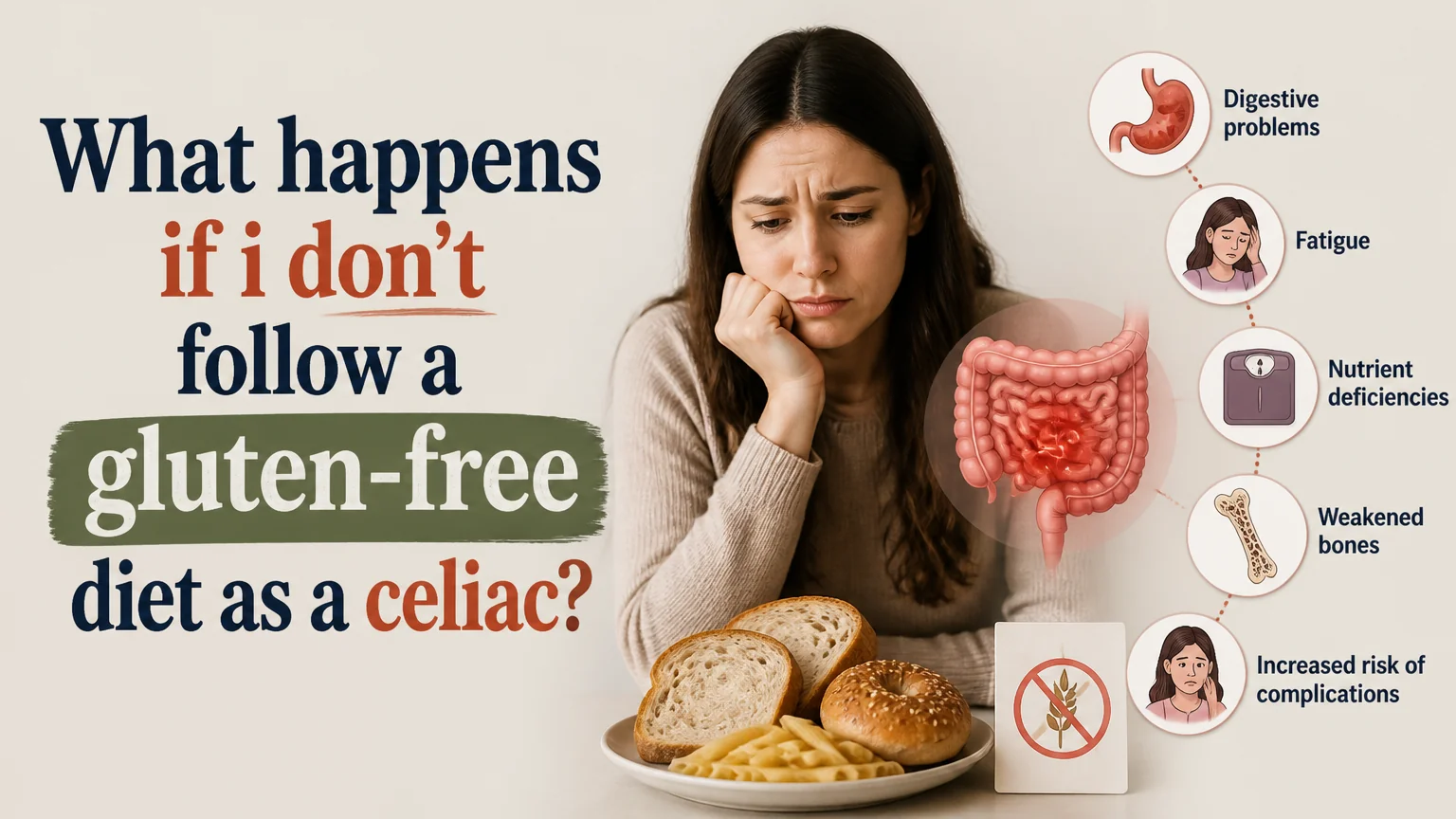
What happens if i don't follow a gluten-free diet as a celiac? - nutrition celiac
Hello everyone! Let's talk clearly about something very important: celiac disease and what happens when you don't follow the gluten-free diet strictly. Imagine you are a detective looking for clues in a labyrinth—that's how important it is to pay attention to what we eat if we are celiac!
Celiac disease is not a simple allergy or food intolerance; it is an autoimmune disease. What does that mean: Your own immune system, responsible for protecting you from illness, gets confused and attacks your small intestine when you consume gluten. It's like your bodyguard deciding to fight you!
Gluten is a protein found mainly in wheat, barley, and rye. Think of it as the glue that gives elasticity to bread dough. But beware! Gluten is not only in bread. It can be hidden in sauces, dressings, soups, even in some medications and cosmetics. That's why we need to be detectives!
When a celiac consumes gluten, the immune system reacts and damages the villi of the small intestine. The villi are like tiny fingers that absorb nutrients from food. If they are damaged, the body cannot absorb nutrients correctly, which can lead to nutritional deficiencies and other health problems. Imagine it as: trying to water a garden with a broken hose; most of the water is lost!
Okay, you've made a mistake and consumed gluten without realizing it. What happens now: The consequences can vary from person to person, but here are some of the most common:
Prepare for a possible storm inside you. Abdominal pain: bloating, gas, diarrhea, or constipation are the most common symptoms. It's like your stomach is on a roller coaster without brakes.
After the gastrointestinal storm, you are likely to feel exhausted and weak. Your body has been fighting the gluten, and that consumes a lot of energy. It's like running a marathon without having trained.
In some cases, gluten consumption can cause skin rashes, such as dermatitis herpetiformis, a very itchy, blistering rash. Imagine having: constant itching that won't go away; a real nightmare!
If the gluten-free diet is not followed strictly in the long term, the consequences can be much more severe. It's not just about temporary discomfort; we are talking about serious health problems that can affect your quality of life.
Continuous damage to the small intestine can lead to long-term nutrient malabsorption problems. This means: that even if you eat healthy foods, your body will not be able to utilize all their benefits.
Studies have shown that people with celiac disease who do not follow a strict gluten-free diet have an increased risk of developing certain types of cancer, such as intestinal lymphoma.
In women, untreated celiac disease can affect fertility and increase the risk of miscarriages. In men, it can affect sperm quality.
Nutrient malabsorption can lead to deficiencies in essential vitamins and minerals, such as iron, calcium, vitamin D, and vitamin B12. This can cause anemia, osteoporosis, and other health problems. It's like: trying to build a house without basic materials.
Celiac disease does not only affect the intestine. It can affect other organs and systems of the body.
Some people with celiac disease experience neurological problems such as headaches, migraines, peripheral neuropathy (nerve damage), and balance problems. It's like: your brain is receiving a constant interference signal.
Poor absorption of calcium and vitamin D can lead to osteoporosis, a disease that weakens bones and increases the risk of fractures. Imagine having: glass bones; every movement becomes a danger!
Sometimes, despite our best efforts, we can consume gluten without realizing it. How do you know if it has happened:
Pay attention to your body. If you experience symptoms such as: abdominal pain, bloating, diarrhea, fatigue, or skin rashes, you may have consumed gluten.
If you suspect you have consumed gluten, consult your doctor. They can perform blood tests to detect antibodies related to celiac disease.
You made a mistake, it happens! The important thing is to get back on track as soon as possible.
Return to strictly following the gluten-free diet and give your intestine time to recover. Avoid processed foods and saturated fats, which can further irritate the intestine.
Consult your doctor about possibly taking vitamin and mineral supplements to compensate for nutritional deficiencies. Probiotics can also help restore gut flora.
Celiac disease is a complex condition that requires continuous management. It is essential to have the support of a doctor, a dietitian, and other healthcare professionals. It is also important to stay informed about the latest research and recommendations regarding the gluten-free diet.
In summary, ignoring the gluten-free diet if you are celiac is not an option. The consequences can be severe, ranging from immediate gastrointestinal discomfort to long-term complications that affect your overall health. It's like: driving a car without brakes; sooner or later, you will crash! So, take charge of your health and follow the gluten-free diet strictly! Your body will thank you.