For Onlinecourses55
|
2026-07-12
For Onlinecourses55
|
2026-07-12
Special diets for older adults with diabetes - nutrition geriatrics
Special diets can greatly benefit seniors with diabetes. If you wish to understand how to make informed dietary choices, delve into this insightful course centered on elderly nutrition that simplifies your approach.
Hello everyone! Have you ever wondered how food can be a powerful tool, especially for our seniors living with diabetes? Well, you're in the right place! In this article, we are going to unravel the world of special diets for them, explaining it in a simple, practical, and human way. Because, let's be honest, health is the most valuable gift we can have, and even more so when we reach that golden stage of life.
Imagine your body is like a car. If you put bad gasoline in it, what will happen? Well, something similar happens with diabetes. Diabetes, in essence, is a condition where the body has trouble regulating blood sugar. And for older adults, this can be even more delicate.
Diabetes, when not properly controlled, can lead to serious complications in older adults, such as heart problems, nerve damage (neuropathy), kidney problems, and even vision loss. Nobody wants that!
But here comes the good news: an adapted diet can work wonders! A proper diet can help:
Now, let's get down to business. What are the principles we must consider when designing a diet for a senior with diabetes?
Carbohydrates are like the body's gasoline, but with diabetes, we have to be careful about the amount and type of "gasoline" we use.
Not all carbohydrates are equal. There are simple carbohydrates (like white sugar and processed products) that are quickly absorbed and can sharply raise blood sugar. And then there are complex carbohydrates (like whole grains, vegetables, and fruits) that are digested more slowly and provide a more gradual release of energy. Opt for the complex ones whenever you can!
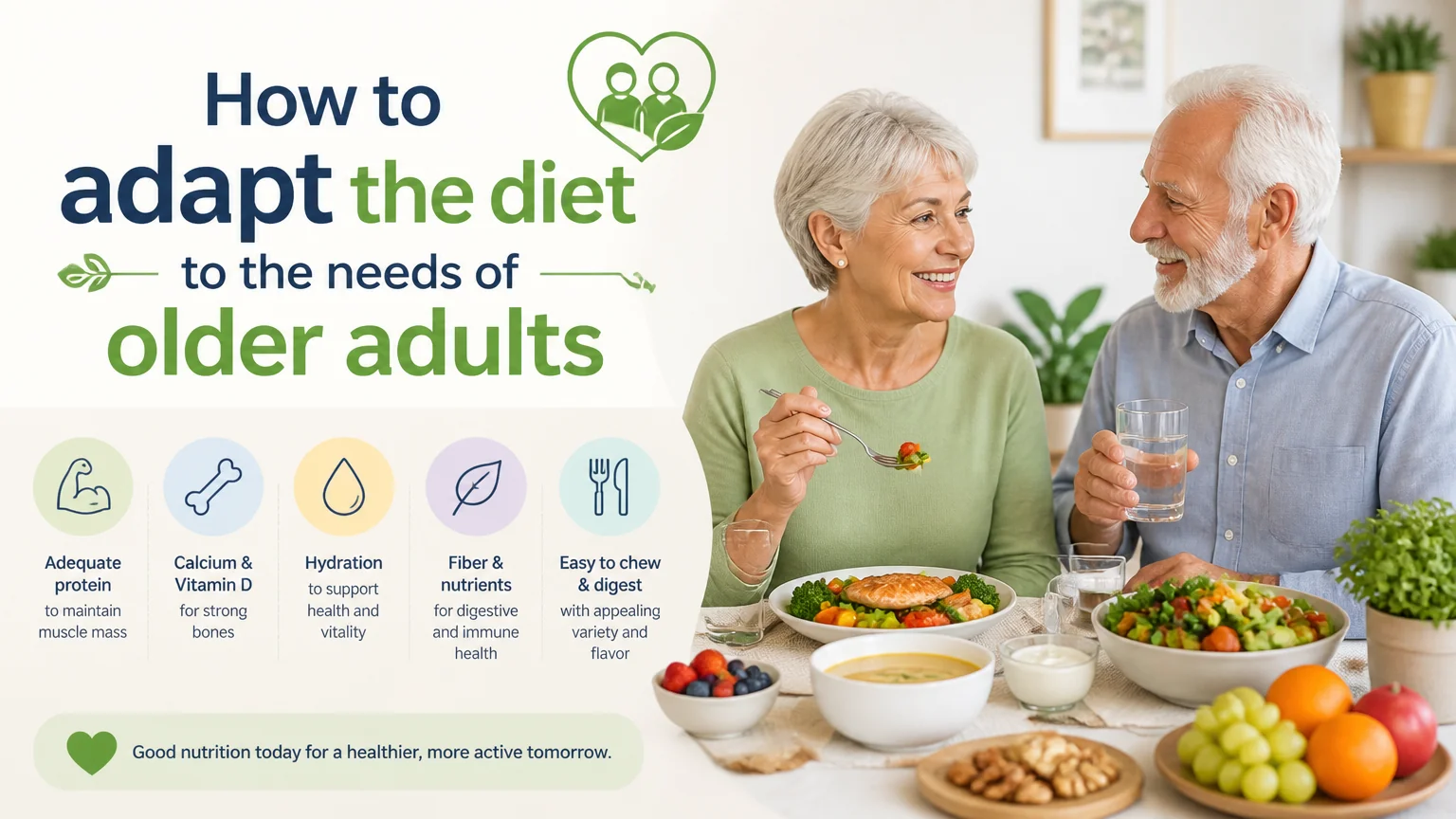
Proteins are the building blocks of the body. They help maintain muscle mass, which tends to decrease with age, and are essential for overall health. Good sources of protein include chicken, fish, legumes, eggs, and tofu.
Don't be afraid of fats! But beware, not all of them are the same. Healthy fats, such as those found in avocado, olive oil, nuts, and fatty fish, are good for the heart and give us energy. Avoid saturated and trans fats, which can raise cholesterol.
Now, let's create our lists: the green list (what we can eat without remorse) and the red list (what we should avoid).
What does a day of meals look like for a senior with diabetes? Let's take a look!
For the diet to be a success, here are some practical tips:
Drinking enough water is essential. It helps keep the body functioning correctly, control blood sugar, and prevent dehydration, which can be especially dangerous in older adults. Opt for water, unsweetened herbal teas, and light soups!
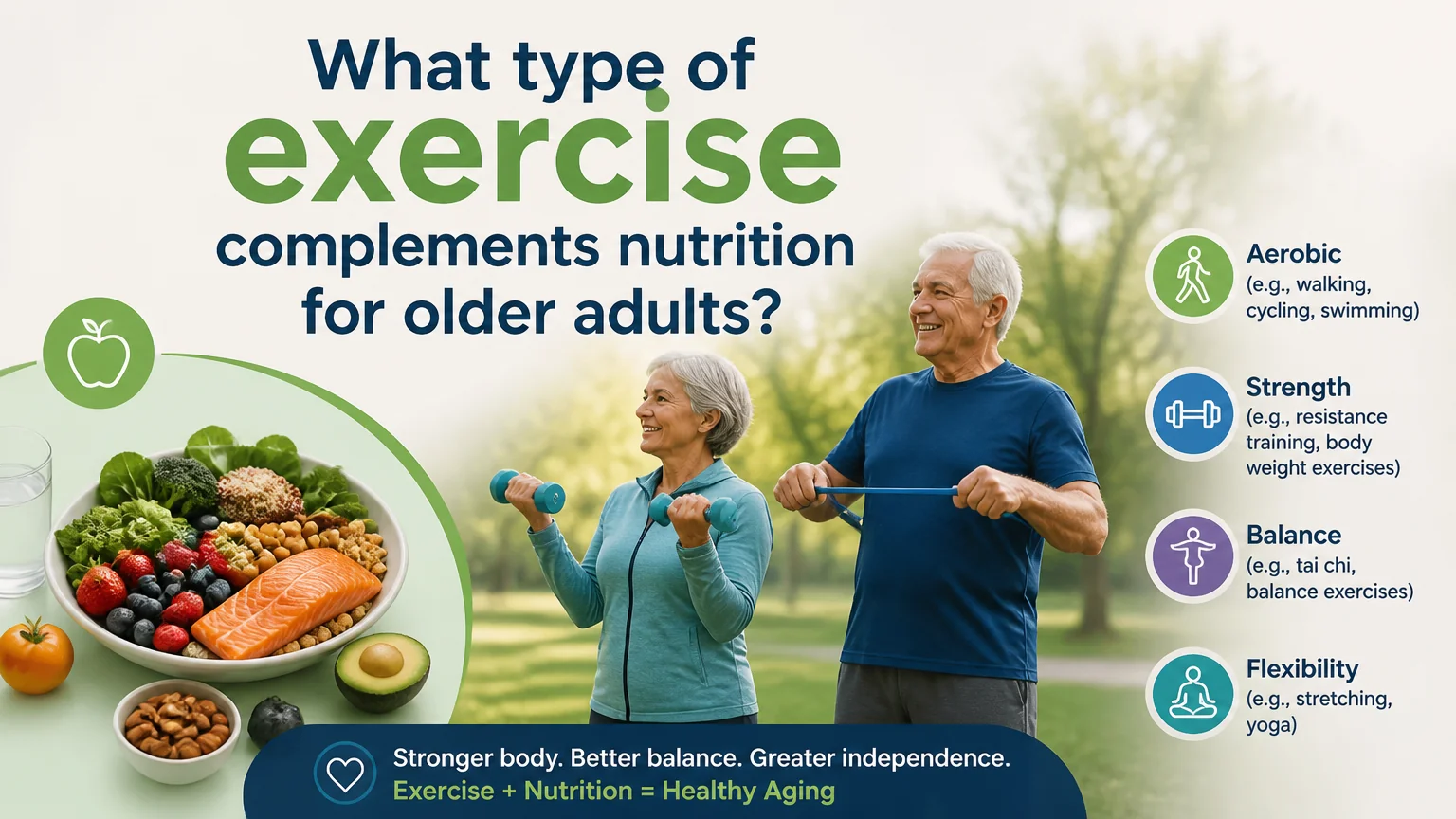
Exercise, even light exercise, is crucial. Walking, swimming, or doing yoga can help control blood sugar, improve cardiovascular health, and strengthen muscles. Consult with a doctor to find out which type of exercise is most appropriate!
Knowing how your body reacts to food is fundamental.
Measuring blood sugar levels regularly allows you to adjust your diet and treatment as necessary. Talk to your doctor to find out how often you should do it!
Older adults have unique needs that we must take into account.
If there are problems chewing or swallowing, it is important to adapt the texture of the foods. Purees, soups, or soft foods can be used.
Loss of appetite is common in older adults. Offer small, frequent meals, prepare attractive dishes, and use spices to flavor the food.
You are not alone in this. There are many resources available to help you.
A nutrition professional can help you design a personalized diet and answer all your questions.
Sharing experiences with other people going through the same thing can be very helpful. There are many support groups and online resources available.
An adapted diet for seniors with diabetes is not a restriction—it's an opportunity! An opportunity to live a fuller, healthier, and more active life. Remember that every small change counts. Keep going and take care!
Search
Popular searches