For Onlinecourses55
|
2026-04-19
For Onlinecourses55
|
2026-04-19

What are the specific nutritional needs of older adults? - nutrition geriatrics
Adapting diets for seniors is crucial for their health and vitality. Dive deeper into this subject by enrolling in a thorough course dedicated to older adults' dietary needs and learn how to support them.
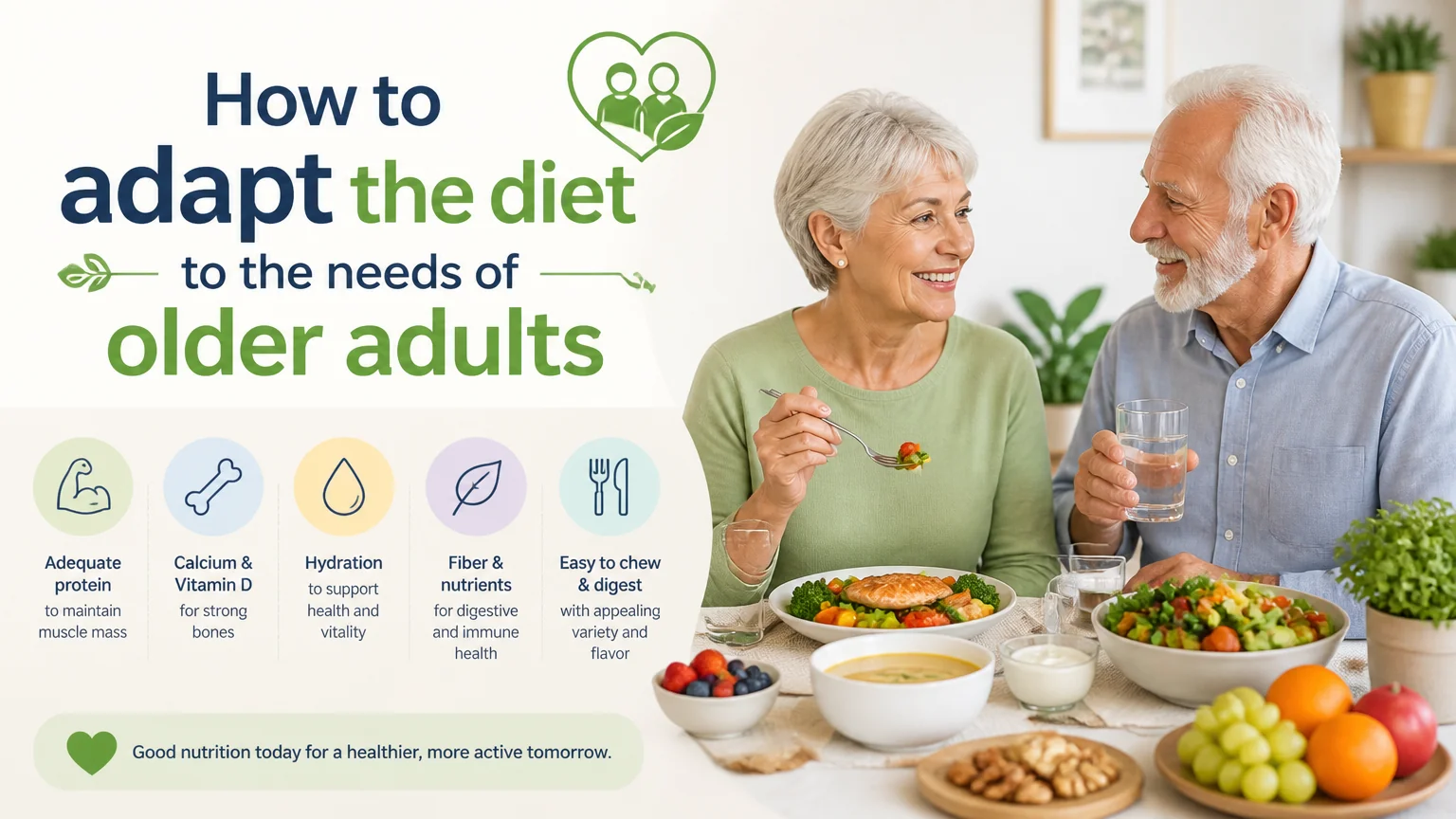
Hello everyone! Have you ever stopped to think about how our diet changes as we age? It is crucial, because what we eat has an enormous impact on our health, energy, and quality of life during our senior years. Eating at 20 is not the same as eating at 70, right?
Nutrition in the elderly is not just about "eating well," but about understanding the specific needs of our body at this stage of life. Imagine that our body is a classic car: it needs different fuel and more careful maintenance to continue functioning optimally.
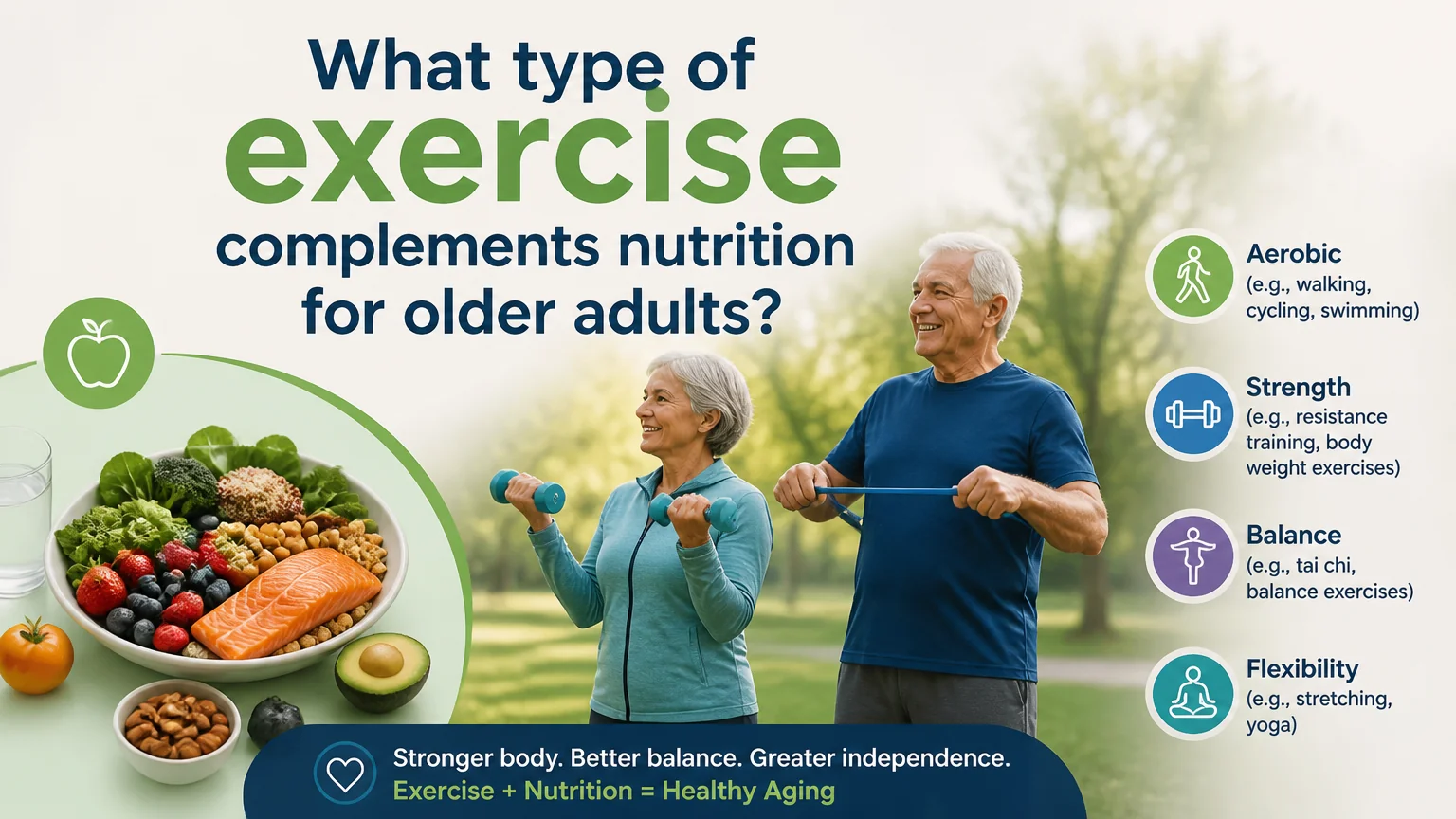
A balanced diet is the foundation of good health at any age, but it becomes even more important as time passes. It helps us stay active, prevent chronic diseases, and feel energized to enjoy life. Who doesn't want that?
Think of a balanced diet: like an orchestra: every instrument (nutrient) has its role and is important for creating a harmonious melody (good health).
As we age, our body experiences changes that can affect our ability to absorb and utilize nutrients from food. For example, digestion may slow down, stomach acid production may decrease, and we may lose our sense of taste and smell. All of this can influence our appetite and our ability to get the nutrients we need.
Furthermore, some chronic illnesses: such as diabetes or heart disease, can also affect our nutritional needs. Therefore, it is essential to adapt our diet to these individual changes and needs.
Macronutrients (proteins, carbohydrates, and fats) are the "building blocks" of our diet. They provide us with energy and are essential for growth, tissue repair, and the general functioning of our body.
Proteins are fundamental for maintaining muscle mass, which tends to decrease with age (a process called sarcopenia). Losing muscle mass can affect our strength, mobility, and balance, making us more prone to falls and injuries.
Think of proteins: as the bricks of a wall: if we don't have enough bricks, the wall weakens and can collapse.
Healthy protein sources: include lean meats, fish, poultry, eggs, legumes, tofu, and low-fat dairy products. Try to include a source of protein in every meal.
Carbohydrates are our main source of energy. We should opt for complex carbohydrates, such as whole grains, fruits, and vegetables, which are digested slowly and provide sustained energy. Avoid refined carbohydrates, like white bread and sweets, which can cause blood sugar spikes followed by energy slumps.
Imagine that complex carbohydrates: are like firewood that burns slowly and steadily, while refined carbohydrates are like straw that burns quickly but doesn't last long.
Not all fats are bad. Healthy fats, such as those found in olive oil, avocados, nuts, and fatty fish (salmon, tuna, sardines), are essential for cardiovascular health, brain function, and vitamin absorption. Avoid saturated and trans fats, which can increase the risk of heart disease.
Think of healthy fats: as the oil that lubricates a car's joints: it helps everything run smoothly.
Micronutrients (vitamins and minerals) are essential for a wide range of bodily functions, from immunity to bone health. Although we need them in small quantities, their deficiency can have serious health consequences.
Calcium and vitamin D are fundamental for bone health. As we age, our bones tend to become more fragile, which increases the risk of osteoporosis and fractures.
Imagine that calcium: is the cement that joins the bricks of a building (our bones), and vitamin D is what helps absorb that cement.
Sources of calcium: include dairy products, green leafy vegetables, fortified tofu, and canned sardines. Vitamin D can be obtained from sun exposure, fortified foods, and supplements.
Vitamin B12 is essential for nervous system function and red blood cell production. Vitamin B12 deficiency is common in older adults, as the ability to absorb it from food decreases with age.
Think of Vitamin B12: as the wiring of a house: if the wiring is damaged, electricity doesn't flow correctly, and problems can arise.
Sources of Vitamin B12: include meat, fish, eggs, and dairy products. It can also be obtained from fortified foods and supplements.
Antioxidants, such as vitamins C and E, help protect our cells from damage caused by free radicals, unstable molecules that contribute to aging and the development of chronic diseases.
Imagine that antioxidants: are like a shield that protects our cells from free radical attacks.
Sources of antioxidants: include brightly colored fruits and vegetables, such as berries, citrus fruits, peppers, and spinach.
In addition to macronutrients and micronutrients, there are other important considerations to keep in mind for optimal nutrition in the elderly.
Hydration is fundamental for general health, but it is especially important for older adults, who are more prone to dehydration. As we age, our sense of thirst decreases, and our kidneys become less efficient at conserving fluids.
Think of water: as the oil that lubricates an engine: without enough oil, the engine overheats and can be damaged.
Try to drink at least 8 glasses of water a day. Other sources of fluids: include soups, and fruits and vegetables with high water content.
It is essential to adapt the diet to existing health conditions. For example, people with diabetes should monitor their carbohydrate intake, while people with kidney disease must limit their sodium and phosphorus intake. Consult a dietitian or nutritionist to get a personalized meal plan.
Loss of appetite is a common problem in older adults. Some strategies to improve appetite: include eating small, frequent meals, choosing nutritious and flavorful foods, and eating in company. It is also important to address any underlying health problems that may be affecting appetite.
Here are some practical tips: to help older adults maintain a healthy diet:
Planning meals in advance can help ensure they are consuming a balanced diet. Make a shopping list before going to the supermarket and choose nutritious and affordable foods.
Look for simple and nutritious recipes: that are easy to prepare. There are many cookbooks and websites that offer recipes specifically designed for older adults.
Eating in company can have many benefits for mental and physical health: It can improve appetite, reduce social isolation, and make mealtimes more pleasant.
Nutrition is an investment in our health and well-being: at any age, but it is especially important during the senior years. By paying attention to our specific nutritional needs, we can stay active, prevent chronic diseases, and enjoy a long and healthy life. Don't wait any longer to start taking care of your diet!
How much protein does an older adult need daily? The recommended amount of protein for older adults is 1 to 1.2 grams per kilogram of body weight per day. This means that a person weighing 70 kg would need between 70 and 84 grams of protein per day.
How can I increase fiber intake in my diet? To increase fiber intake, consume more fruits, vegetables, whole grains, and legumes. Try adding oat bran to your cereal or yogurt, or eat an apple with the skin.
What should I do if I have trouble chewing or swallowing? If you have trouble chewing or swallowing, talk to your doctor or a speech therapist. They may recommend soft foods or purees, and swallowing techniques to make eating easier.
Are vitamin supplements necessary in old age? Some older people may benefit from vitamin supplements, especially if they have nutritional deficiencies. However, it is important to talk to your doctor before taking any supplement, as some may interact with medications or have side effects.
Where can I find nutritional help for older adults? You can find nutritional help for older adults at your local health center, through meal programs for seniors, or by consulting a dietitian or nutritionist. There are also many online resources that offer information and advice on nutrition for the elderly.
Search
Popular searches