For Onlinecourses55
|
2026-03-01
For Onlinecourses55
|
2026-03-01

What topics are covered in an online geriatric nutrition course? - nutrition geriatrics
Unlock the importance of specialized nutrition in later years with a detailed course focused on geriatric dietary practices that helps caregivers make informed choices.
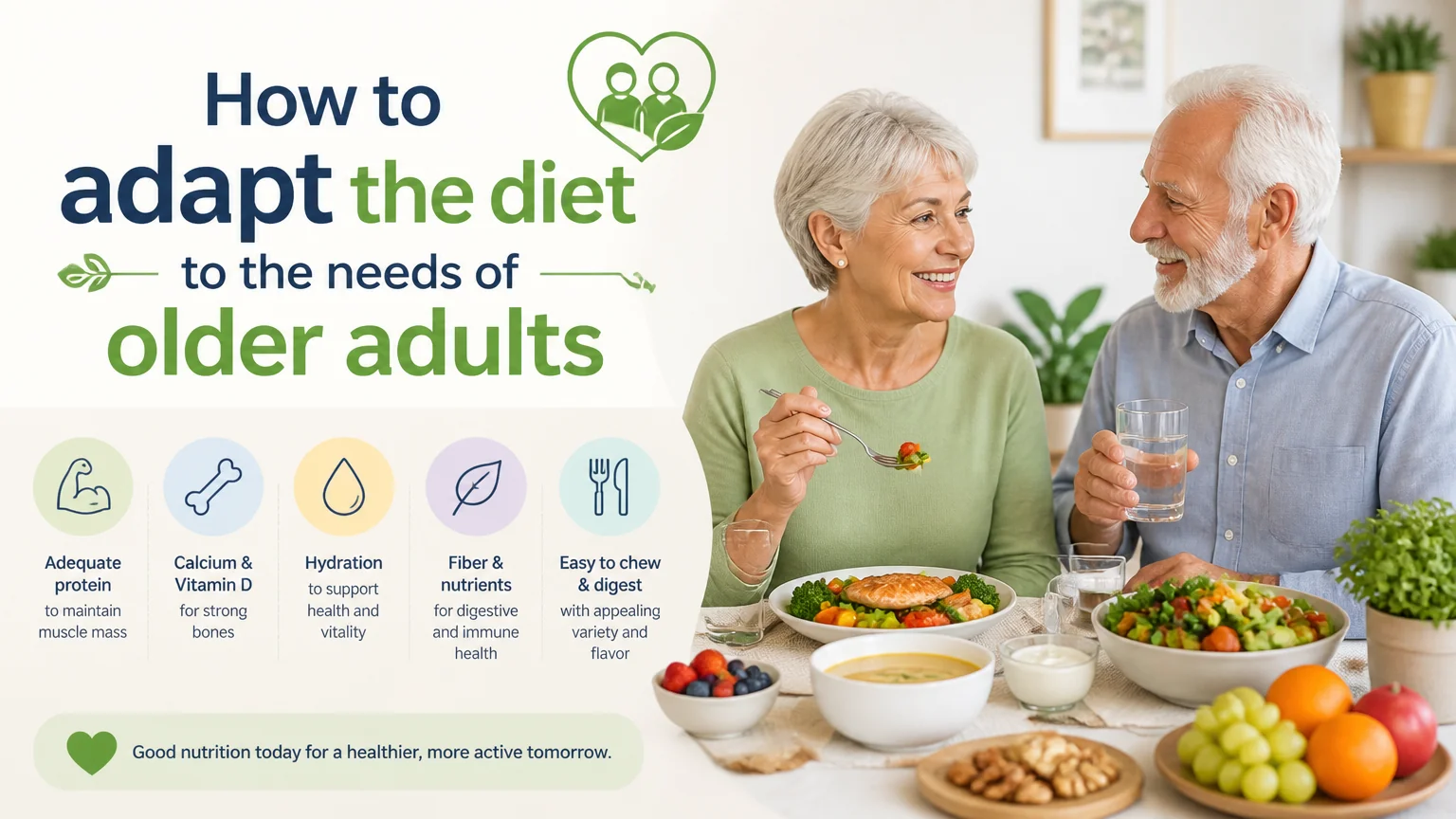
Hello everyone! Have you ever wondered why nutrition is so, so crucial in our golden years? Well, imagine your body is like a classic car: over time, it needs more specialized maintenance and better quality fuel to keep running perfectly. That is geriatric nutrition! An online course in geriatric nutrition will open the doors to a world of essential knowledge for caring for the health and well-being of older adults through diet.
As we age, our bodies undergo significant changes. Digestion slows down, metabolism reduces, and nutrient absorption can be compromised. Adequate nutrition in the elderly not only helps prevent chronic diseases such as diabetes, cardiovascular diseases, and osteoporosis, but also improves quality of life, strengthens the immune system, and maintains cognitive function. In short, eating well is living better!
It's not all rosy. There are numerous challenges older adults face in terms of nutrition: loss of appetite, difficulties chewing or swallowing (dysphagia), mobility problems that hinder grocery shopping and food preparation, social isolation affecting eating habits, and economic limitations restricting access to nutritious foods. A geriatric nutrition course will provide you with the tools to identify and address these challenges effectively.
This is the starting point. Here, the theoretical foundations supporting the practice of geriatric nutrition are established.
You will learn how aging affects the body's organs and systems, including the digestive, endocrine, and nervous systems. For instance, decreased production of stomach acid can hinder the absorption of Vitamin B12 and iron. Understanding these changes is essential for adapting nutritional recommendations to the individual needs of each older adult.
How many calories does an older adult really need? How much protein is enough to maintain muscle mass? This module will teach you how to calculate the energy and macronutrient needs (proteins, carbohydrates, and fats) based on the age, physical activity level, and health status of each individual.
Proteins are essential for maintaining muscle mass, strengthening the immune system, and repairing tissues. This module will show you how to calculate the necessary amount of protein for each older adult and introduce the best sources of protein, both animal and vegetable. Did you know that older adults need more protein than younger adults?
Not all carbohydrates are equal. This module will teach you to differentiate between simple and complex carbohydrates, and to understand how each type affects blood sugar levels and overall health. You will learn to recommend sources of healthy carbohydrates, such as fruits, vegetables, whole grains, and legumes.
Fats are essential for brain health, the absorption of fat-soluble vitamins, and hormone production. This module will explain the difference between saturated, unsaturated, and trans fats, and teach you how to identify sources of healthy fats, such as olive oil, nuts, seeds, and oily fish.
We enter the world of vitamins and minerals!
This module focuses on the most important vitamins for the health of older adults, such as Vitamin D, Vitamin B12, Vitamin C, and folic acid. You will learn to identify the most common vitamin deficiencies and recommend strategies to prevent them, either through diet or supplementation.
Minerals are essential for bone health, muscle function, nerve function, and many other vital functions. This module will introduce the most important minerals for the health of older adults, such as calcium, magnesium, potassium, and zinc. You will learn to identify the most common mineral deficiencies and recommend strategies to prevent them.
How do you know if an older person is well-nourished? This module will give you the answers!
You will learn to use different methods to assess the nutritional status of older adults, including clinical history, physical evaluation, body composition analysis, and laboratory tests.
Numerous nutritional screening and assessment tools have been specifically designed for older adults. This module will teach you how to use some of the most common ones, such as the Mini Nutritional Assessment (MNA) and the Subjective Global Assessment (SGA).
The MNA is a simple and quick tool for assessing the risk of malnutrition in older adults. You will learn to use the MNA to identify individuals who require a more exhaustive nutritional evaluation.
The SGA is a more comprehensive tool for assessing the nutritional status of older adults. You will learn to use the SGA to identify individuals who are malnourished and to determine the severity of their malnutrition.
Let's get to work! Here you will learn to apply your knowledge to improve the nutrition of older adults.
This module focuses on the nutritional management of the most common chronic diseases in the elderly, such as diabetes, cardiovascular diseases, and dementia. You will learn to adapt nutritional recommendations to the specific needs of each disease.
Dysphagia, or difficulty swallowing, is a common problem in older adults. This module will teach you how to identify dysphagia and recommend strategies to facilitate swallowing, such as modifying food texture and using liquid thickeners.
Food is not just a matter of nutrients. It is also a social and cultural issue!
This module will teach you how the social and cultural environment of older adults affects their eating habits. For example, social isolation can lead to loss of appetite and malnutrition.
You will learn to design strategies to promote healthy and enjoyable eating for older adults, taking into account their personal preferences, cultural customs, and economic limitations.
Are supplements necessary? When and how should we use them?
This module will present the benefits and risks of nutritional supplements in older adults. You will learn to assess whether an older person needs supplements and determine the most appropriate type of supplement.
You will learn to select the most appropriate nutritional supplements for older adults, taking into account their health status, nutritional needs, and possible interactions with other medications.
Ethics and law also play an important role!
This module addresses the ethical aspects of nutritional care for older adults, such as the right to autonomy, informed consent, and confidentiality.
You will learn about relevant legislation and regulations in the field of geriatric nutrition, both nationally and internationally.
In summary, an online course in geriatric nutrition will provide you with the necessary tools and knowledge to improve the health and well-being of older adults through diet. The future of geriatric nutrition is bright, with new research and technologies that promise to further enhance the quality of life for our seniors. Join the nutritional revolution and make a difference!
Search
Popular searches