For Onlinecourses55
|
2026-01-19
For Onlinecourses55
|
2026-01-19

How does holistic nutrition differ from conventional nutrition? - nutrition holistic
Curious about how holistic methods can revolutionize your health approach? Look no further than a course on wholesome nutrition techniques that emphasize a balanced lifestyle.
Hi! Have you ever wondered how what you eat influences your overall health? Nutrition, beyond simply feeding us, is a powerful tool to optimize our well-being. But did you know that there are different ways to approach nutrition? Today we are going to explore two of them: conventional nutrition and holistic nutrition. Although both seek to improve our health through diet, their approaches and philosophies are quite distinct. Get ready for a fascinating journey through the world of food and wellness.
Conventional nutrition, also known as evidence-based nutrition, is a scientific approach that focuses on the study of nutrients and their impact on health. It is based on research, clinical studies, and dietary recommendations established by recognized health organizations. Think of it as the "science of food."
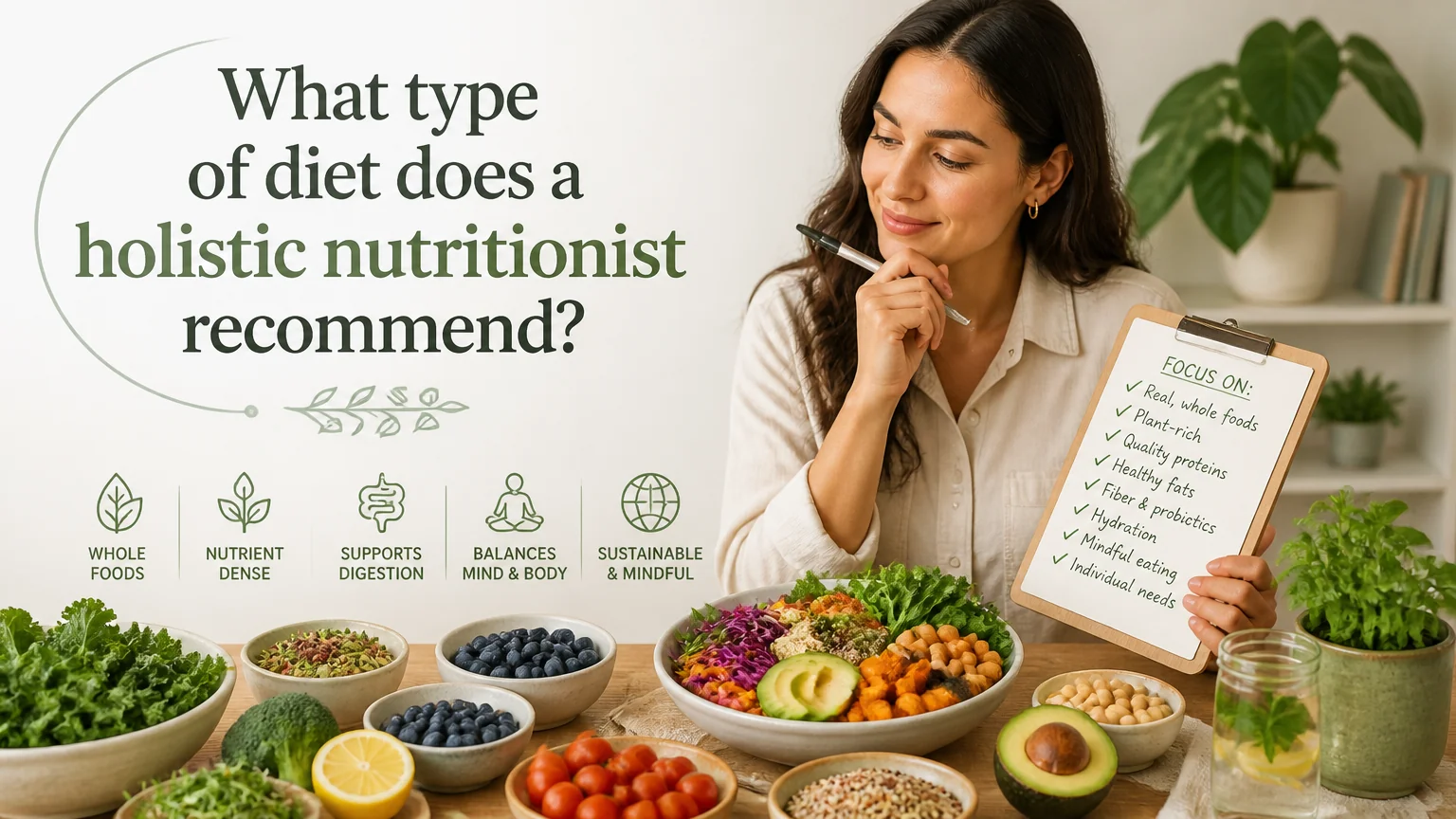
Holistic nutrition is an approach that considers the person in their entirety: body, mind, and spirit. It seeks to identify and address the root causes of health problems, rather than simply treating the symptoms. Imagine we are like a garden! Holistic nutrition is not only concerned with watering the flowers (the symptoms) but also with nourishing the soil (the underlying causes).
Conventional nutrition tends to offer general guidelines that apply to the population at large. For example, "consume 2000 calories a day" or "eat 5 servings of fruits and vegetables." Holistic nutrition, on the other hand, focuses on the individual needs of each person, taking into account their personal history, lifestyle, health status, and preferences.
Conventional nutrition often focuses on treating the symptoms of a disease or condition. For example, a conventional nutritionist might recommend a low-sodium diet to control high blood pressure. Holistic nutrition, on the other hand, seeks to identify and treat the underlying causes of high blood pressure, such as stress, inflammation, or nutrient deficiency.
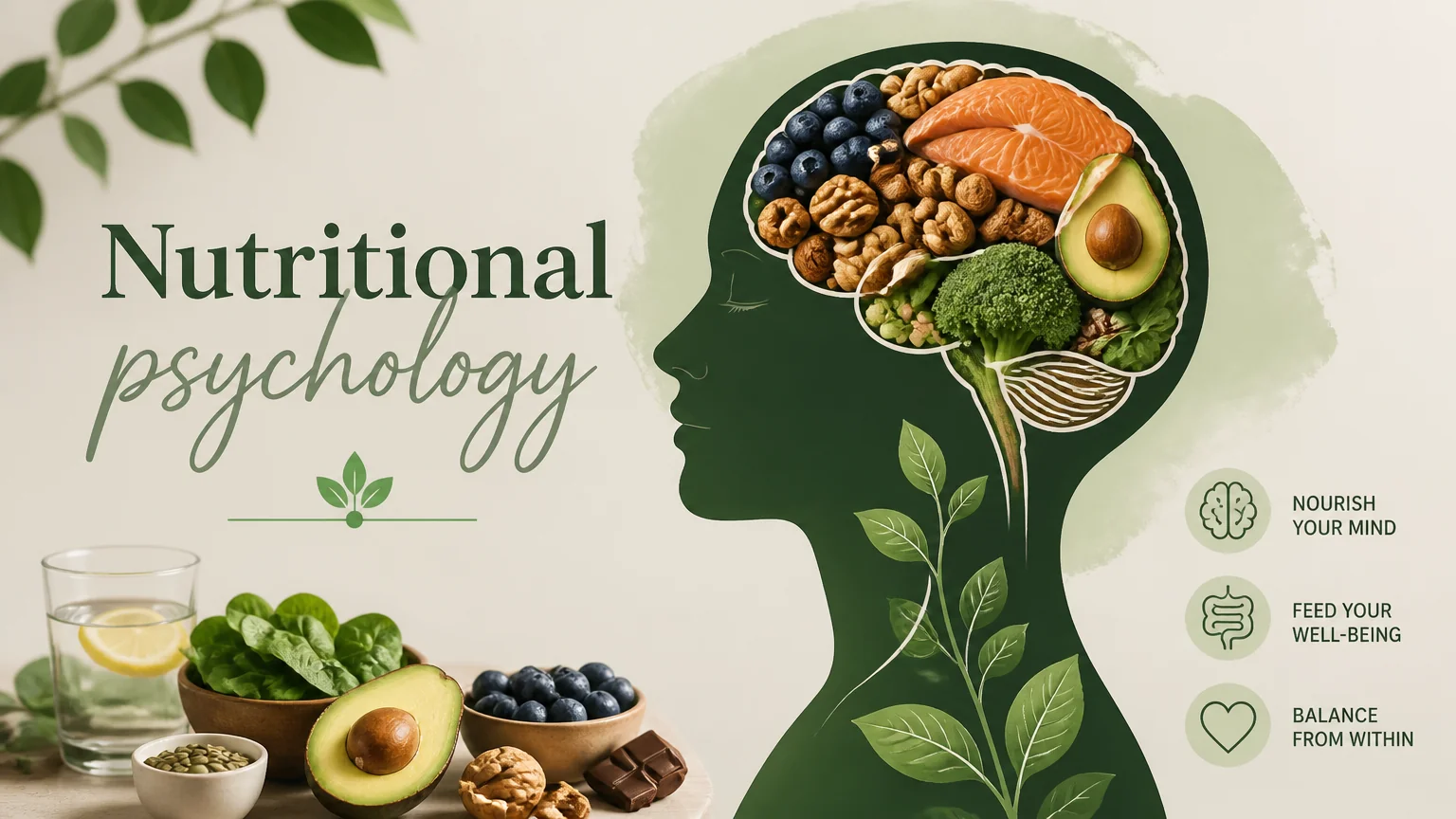
Holistic nutrition places great importance on the mind-body connection and how emotions, stress, and relationships can affect diet and health. Conventional nutrition, although recognizing the importance of mental health, does not always directly integrate it into its nutritional recommendations.
The best option for you will depend on your needs, preferences, and goals. If you are looking for a science-based approach with general recommendations, conventional nutrition might be a good option. If you are looking for a more individualized approach that considers all aspects of your life, holistic nutrition might be more suitable.
You don't have to choose just one approach! In fact, many people find that combining the best of both worlds is the best way to optimize their health. You can follow the general recommendations of conventional nutrition as a foundation, and then complement them with the principles of holistic nutrition to personalize your eating plan and address your specific needs.
A conventional nutritionist might recommend a diet low in refined carbohydrates and sugars, rich in fiber, and with strict portion control to help manage blood sugar levels in a person with diabetes. They might also recommend medications to regulate insulin.
A holistic nutritionist might recommend a diet rich in whole, organic, and unprocessed foods, focusing on foods that support brain function and neurotransmitter production, such as omega-3s, B vitamins, and antioxidants. They might also recommend stress management techniques, such as meditation or yoga, to improve mood and energy. Furthermore, they might explore possible food intolerances or nutritional deficiencies that could be contributing to fatigue and low spirits.
Ultimately, both conventional and holistic nutrition offer valuable tools to improve our health through diet. The key is finding the approach that best suits our individual needs and goals. Experiment, learn, and discover what makes you feel best! Remember that health is a journey, not a destination. So enjoy the path!
While you can learn a lot on your own, working with a certified holistic nutrition professional can be very beneficial. They can help you identify your individual needs, create a personalized eating plan, and provide support and guidance as you progress.
Not necessarily. Holistic nutrition focuses on optimizing health through diet and lifestyle. While some practices may overlap with alternative medicine, holistic nutrition is not considered a medical therapy in itself.
Conventional nutrition can be a good foundation for most people, but it is important to remember that individual needs vary. Some people may benefit from a more personalized approach, such as that offered by holistic nutrition.
Absolutely! In fact, combining the best of both worlds can be an excellent way to optimize your health. You can follow the general recommendations of conventional nutrition and then complement them with the principles of holistic nutrition to personalize your eating plan.
Look for a certified professional with a solid background in holistic nutrition and health. Make sure they have a philosophy that resonates with you and that you feel comfortable working with them. Ask for references and read reviews before making a decision.
Search
Popular searches