For Onlinecourses55
|
2026-03-02
For Onlinecourses55
|
2026-03-02

What type of certification do i get after completing an online holistic nutrition course? - nutrition holistic
If you're eager to elevate your understanding of well-being, our holistic nutrition certification course is exactly what you need to empower your journey.
Hello to all those passionate about health and wellness! If you are considering immersing yourself in the fascinating world of holistic nutrition through an online course, you are surely asking yourself: "What certification will I obtain at the end of this journey?" Well, you've come to the right place! In this article, we will break down the different types of certifications, what to consider when choosing a course, and how this investment can boost your professional career.
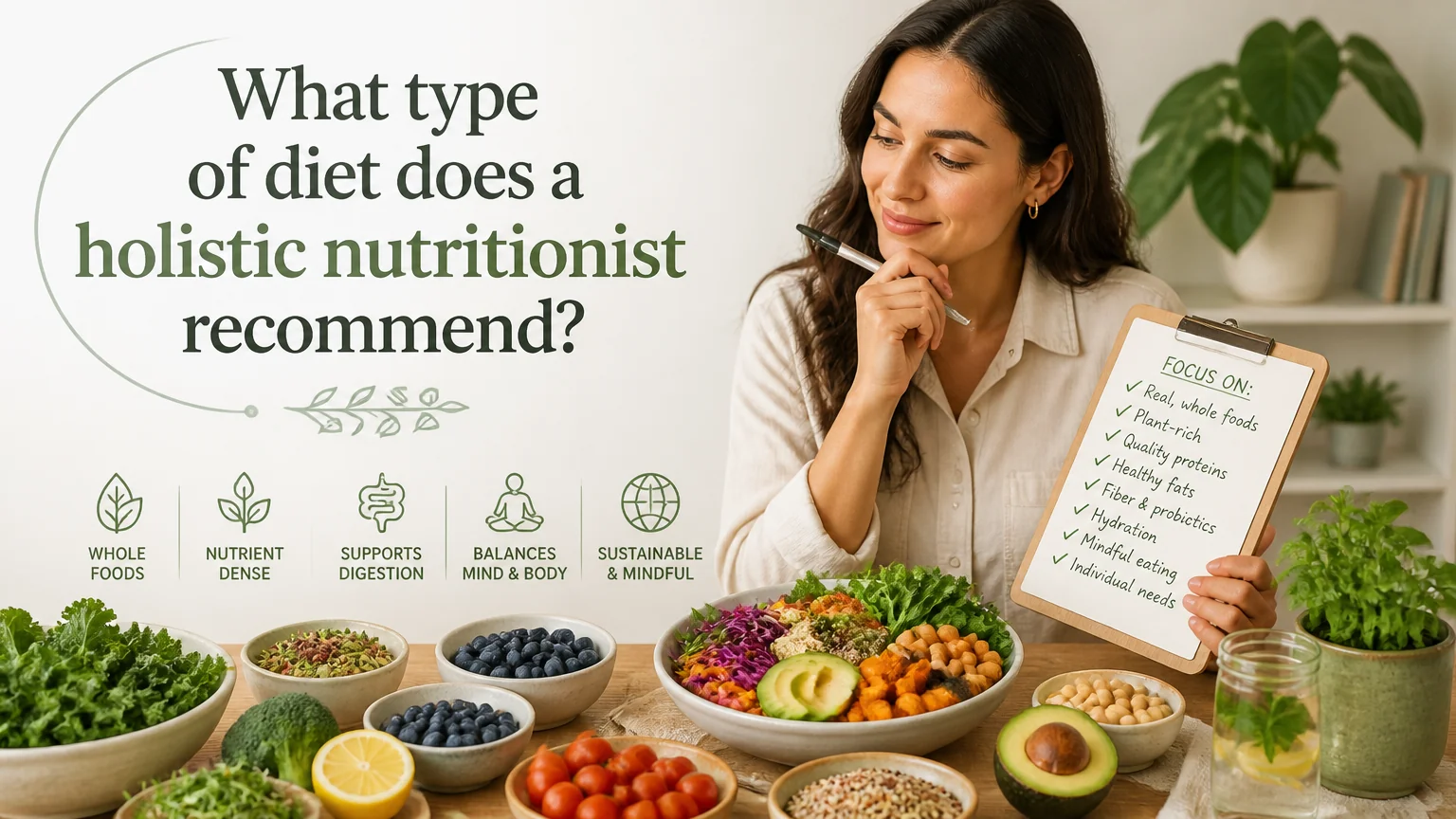
Before talking about certifications, it is crucial to understand what holistic nutrition truly means. It's not just about counting calories or following trendy diets; it is a much deeper and more complete approach.
The word "holistic" comes from the Greek "holos," meaning "whole." In the context of nutrition, this implies considering the person as an integrated whole: body, mind, and spirit. A holistic nutritionist not only focuses on diet, but also on lifestyle, stress management, sleep quality, and the emotional connection with food. Sounds interesting, right?
Imagine you have a garden. If you only worry about watering the plants, but ignore the quality of the soil, sun exposure, and pests, your plants will not thrive to their fullest. Holistic nutrition is the same: it addresses all aspects of your personal "garden."
Why choose a holistic approach? Because it offers a series of benefits that go beyond simple weight loss. Some of them include:
Now, let's get to the point. What type of certification can you expect upon completing an online holistic nutrition course? Here are some options:
It is important to distinguish between a certificate of participation and a professional certification. A certificate of participation simply indicates that you have attended and completed a course. It does not necessarily qualify you to practice as a holistic nutritionist.
A professional certification, on the other hand, implies that you have met certain educational standards and demonstrated competence in the field of holistic nutrition. These certifications are usually granted by accredited and recognized organizations.
There are several organizations that offer internationally recognized certifications in holistic nutrition. Some of the most popular include:
Choosing the right course is crucial for obtaining a valuable certification and developing a successful career in holistic nutrition. Here are some key factors to consider:
Make sure that the course and the institution offering it are accredited by a recognized body. Accreditation ensures that the program meets certain quality standards and that the certification will be valued by employers and clients.
Review the course curriculum to ensure that it covers the topics that interest you and that are relevant to your professional goals. Some important topics to consider include:
Investigate the experience and reputation of the instructors who will teach the course. Are they experts in their field? Do they have a proven track record of success? What do former students say about the program?
A certification in holistic nutrition can open many professional doors for you.
With a certification in holistic nutrition, you can work as:
If you dream of having your own practice, a certification in holistic nutrition provides you with the necessary tools and knowledge to achieve it. You will need to:
In summary, the certification you will obtain upon completing an online holistic nutrition course will depend on the course you choose. However, regardless of the exact title, the important thing is that the certification is recognized and provides you with the necessary skills and knowledge to develop a successful career in this exciting field. Investing in your holistic nutrition education is an investment in your future, your health, and the well-being of others. So, go ahead, dare to take the leap and begin your journey towards a healthier and fuller life!
Question 1: Do I need a previous degree in health to study holistic nutrition? Not necessarily. Many online holistic nutrition courses are designed for people without prior experience in the health field. However, having a background in biology or chemistry can be helpful.
Question 2: How long does it take to complete an online holistic nutrition course? The duration of an online holistic nutrition course varies depending on the program. Some courses can be completed in a few months, while others may last one or two years.
Question 3: What skills will I learn in a holistic nutrition course? In a holistic nutrition course, you will learn about the fundamentals of nutrition, the connection between diet and health, how to design individualized meal plans, how to use herbs and supplements to support health, and how to advise clients to reach their wellness goals.
Question 4: Can I work as a holistic nutritionist in hospitals or clinics? It depends on local and national regulations. In some places, holistic nutritionists may work in hospitals or clinics, while in others, only registered dietitians can do so.
Question 5: What is the difference between a holistic nutritionist and a registered dietitian? A registered dietitian (RD) has completed rigorous academic training and passed a certification exam. RDs usually work in hospitals, clinics, and other healthcare institutions. A holistic nutritionist, on the other hand, has a broader approach to health and wellness, and may work in a variety of settings, such as private practices, spas, and wellness centers. The holistic approach focuses on the individual as a whole (mind, body, and spirit), while registered dietetics focuses more on the science of nutrition and the treatment of diseases.
Search
Popular searches